



LIFE CYCLE
Perennial

PLANT CHARACTERISTICS
Ornamental

GROWTH HABIT
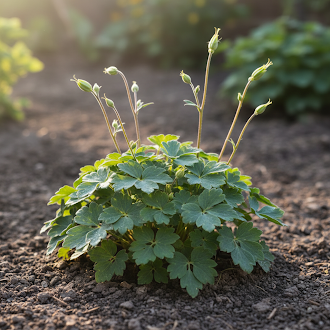
Clump-forming

BLOOM SEASON
Spring–Summer

FLAVOUR PROFILE
Non-edible

SUITABLE FOR
Outdoor

PLANTING SEASON
Spring

FRUIT SIZE
N/A

PLANT HEIGHT
45–75 cm

LIGHT REQUIREMENT
Light Requirement:

WATER NEEDS
Moderate

HARDINESS ZONES
Temperate

CONTAINER GARDEN
Yes

PLANT SPACING
Medium

PLANTING DEPTH
Surface sow

GROWING CONDITIONS
Well-drained soil
Frequently Asked Questions
Why are columbine flowers often described as bell-shaped?
Why are columbine flowers often described as bell-shaped?
Columbine flowers have distinctive nodding blooms with curved petals and spurs, giving them a bell-like appearance that makes them easy to recognize.
Can mixed columbine colors vary between plants?
Can mixed columbine colors vary between plants?
Yes. A mixed seed selection can produce flowers in different colors, adding varied tones and patterns to the planting area.
How does columbine spread in a garden?
How does columbine spread in a garden?
Columbine can self-seed naturally. Leaving mature seed heads in place may allow new seedlings to appear around the original planting area.
Can columbine grow beneath taller garden plants?
Can columbine grow beneath taller garden plants?
Yes. Columbine is suited to partial sun or light shade, making it useful around taller plants or in woodland-style garden settings.
What type of garden design suits mixed columbine best?
What type of garden design suits mixed columbine best?
Its clump-forming habit and mixed blooms suit cottage, woodland and border designs where varied flower colors add seasonal interest.
Can columbine flowers support garden pollinators?
Can columbine flowers support garden pollinators?
The product page notes that the flowers attract bees and butterflies, making them useful in gardens designed to support these visitors.