



LIFE CYCLE
Perennial

PLANT CHARACTERISTICS
Fragrant

GROWTH HABIT
Upright

BLOOM SEASON
Spring

FLAVOUR PROFILE
Ornamental

SUITABLE FOR
Both

SEED TYPE
Bulb

PLANT TYPE
Flowering Bulb

PLANTING SEASON
Autumn

FRUIT SIZE
Not Applicable

PLANT HEIGHT
25–30 cm

LIGHT REQUIREMENT
Full Sun

WATER NEEDS
Moderate

HARDINESS ZONES
3–9

CONTAINER GARDEN
Yes

PLANT SPACING
10–15 cm

PLANTING DEPTH
10–15 cm

GROWING CONDITIONS
Well-drained Soil
Frequently Asked Questions
What colors can I expect from mixed hyacinth bulbs?
What colors can I expect from mixed hyacinth bulbs?
Mixed hyacinth selections can produce flowers in a range of attractive shades, creating a varied spring display when planted together.
Are hyacinth bulbs suitable for containers?
Are hyacinth bulbs suitable for containers?
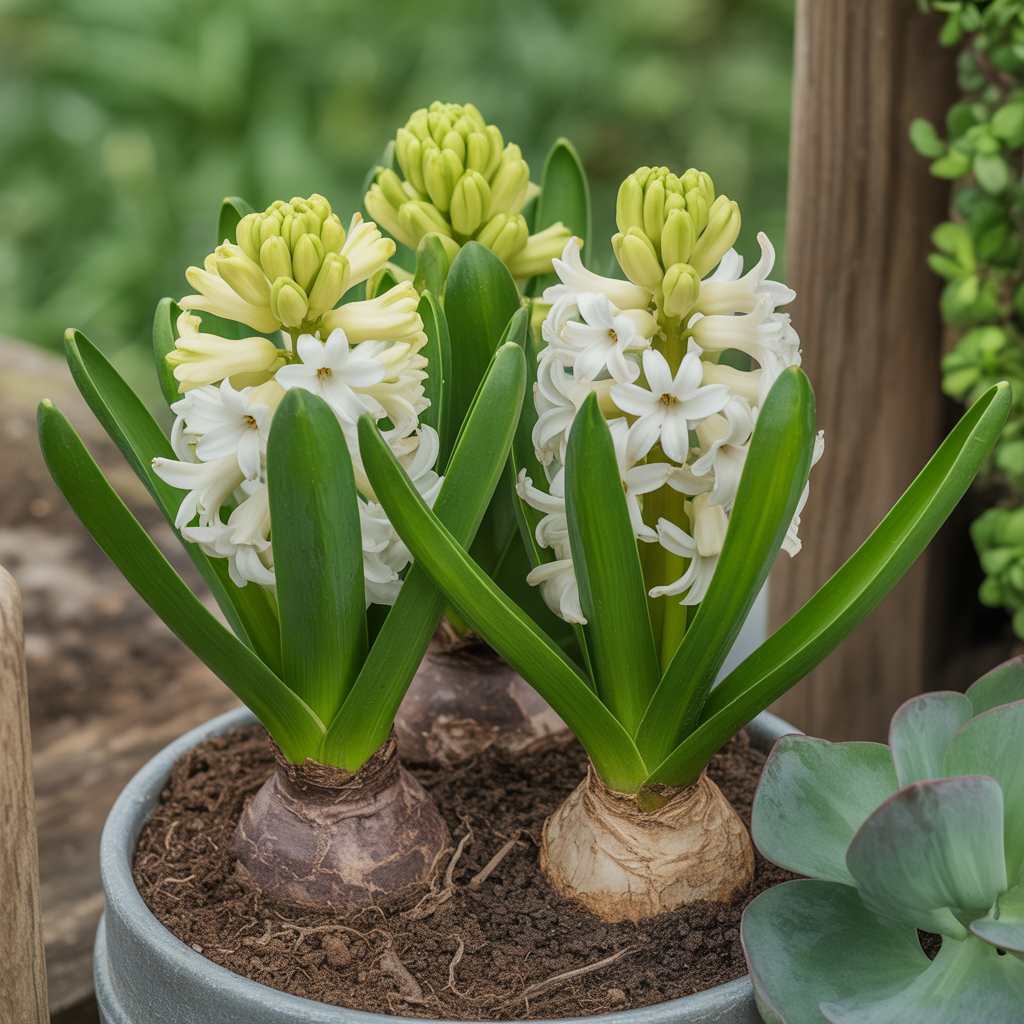
Yes, hyacinths can be planted in containers, pots, and balcony planters provided the growing medium drains freely.
How should hyacinth foliage be handled after flowering?
How should hyacinth foliage be handled after flowering?
Allow the foliage to remain until it naturally fades so the bulb can replenish its stored energy for future growth.
Can mixed hyacinths be planted in groups?
Can mixed hyacinths be planted in groups?
Yes. Planting several bulbs together can create a fuller and more noticeable seasonal flower display in beds or containers.
What makes hyacinths useful for spring garden displays?
What makes hyacinths useful for spring garden displays?
Their compact upright growth and strongly fragrant flowers make them useful for seasonal beds, borders, containers, and decorative arrangements.
How can I prevent hyacinth bulbs from rotting?
How can I prevent hyacinth bulbs from rotting?
Use well-drained soil, avoid excessive watering, and make sure containers have adequate drainage holes to prevent water from remaining around the bulbs.