



Life Cycle
Perennial

Plant Characteristics
Spring blooming

Growth Habit
Clump-forming

Bloom Season
Late Winter

Flavour Profile
Ornamental

Suitable for
Outdoor

Planting Season
Winter

Fruit Size
N/A

Plant Height
10–14 inches

Light Requirement
Full Sun

Water Needs
Moderate

Hardiness Zones
USDA Zones 4–9

Container Garden
Yes

Plant Spacing
4–6 inches

Planting Depth
0.5–1 cm

Growing Conditions
Cool climate
Frequently Asked Questions
What makes Hawera different from large daffodil varieties?
What makes Hawera different from large daffodil varieties?
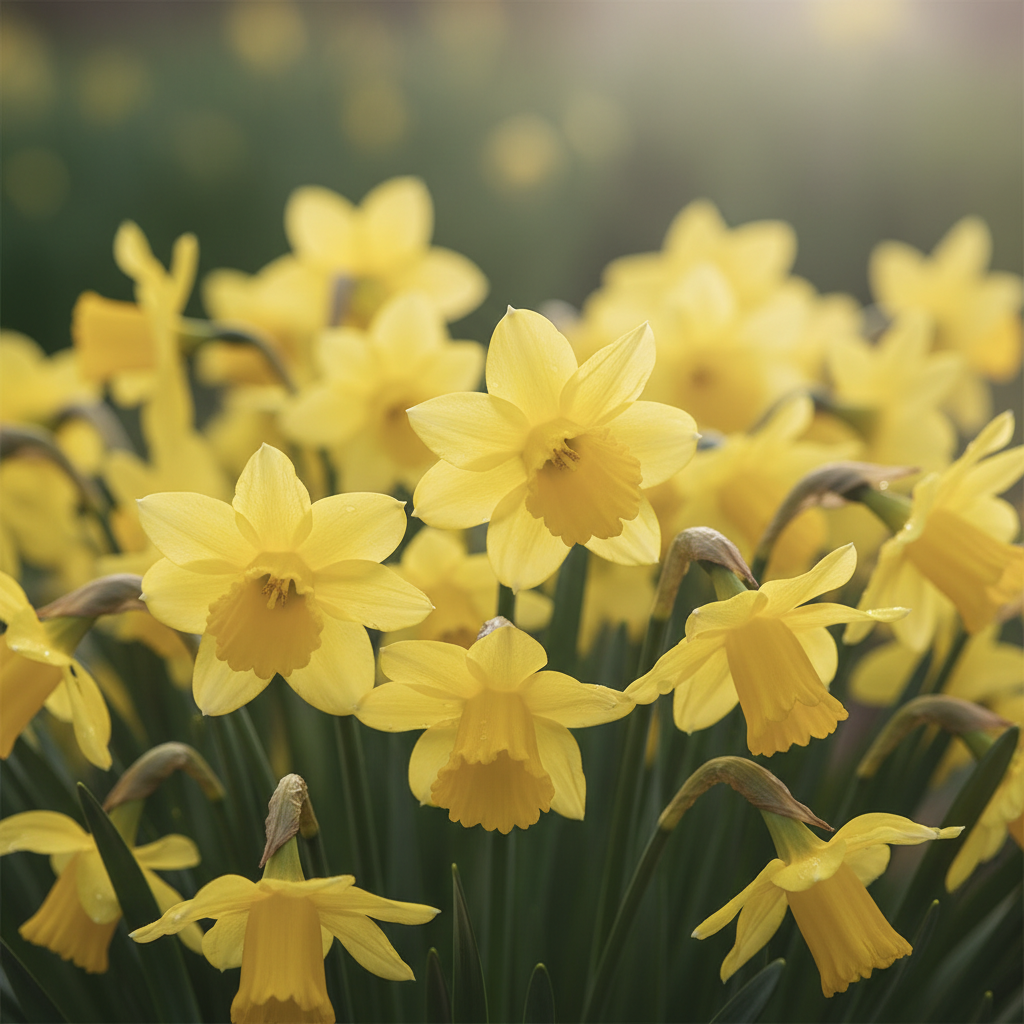
Hawera produces smaller, delicate yellow flowers, often with multiple blooms per stem.
Can Hawera be planted beneath deciduous trees?
Can Hawera be planted beneath deciduous trees?
Yes. It benefits from spring sunlight before trees develop their full canopy.
Which spring flowers pair well with Hawera?
Which spring flowers pair well with Hawera?
Crocus, muscari, primroses, anemones, and dwarf tulips create attractive seasonal combinations.
Does Hawera naturalize over time?
Does Hawera naturalize over time?
Under suitable conditions, established plants may gradually increase and form larger clumps.
Can the blooms be used in small floral arrangements?
Can the blooms be used in small floral arrangements?
Yes. Their petite flowers are suitable for spring bouquets and indoor displays.
Do Hawera flowers support early pollinators?
Do Hawera flowers support early pollinators?
The blooms may provide an early nectar source for bees and other pollinating insects.