


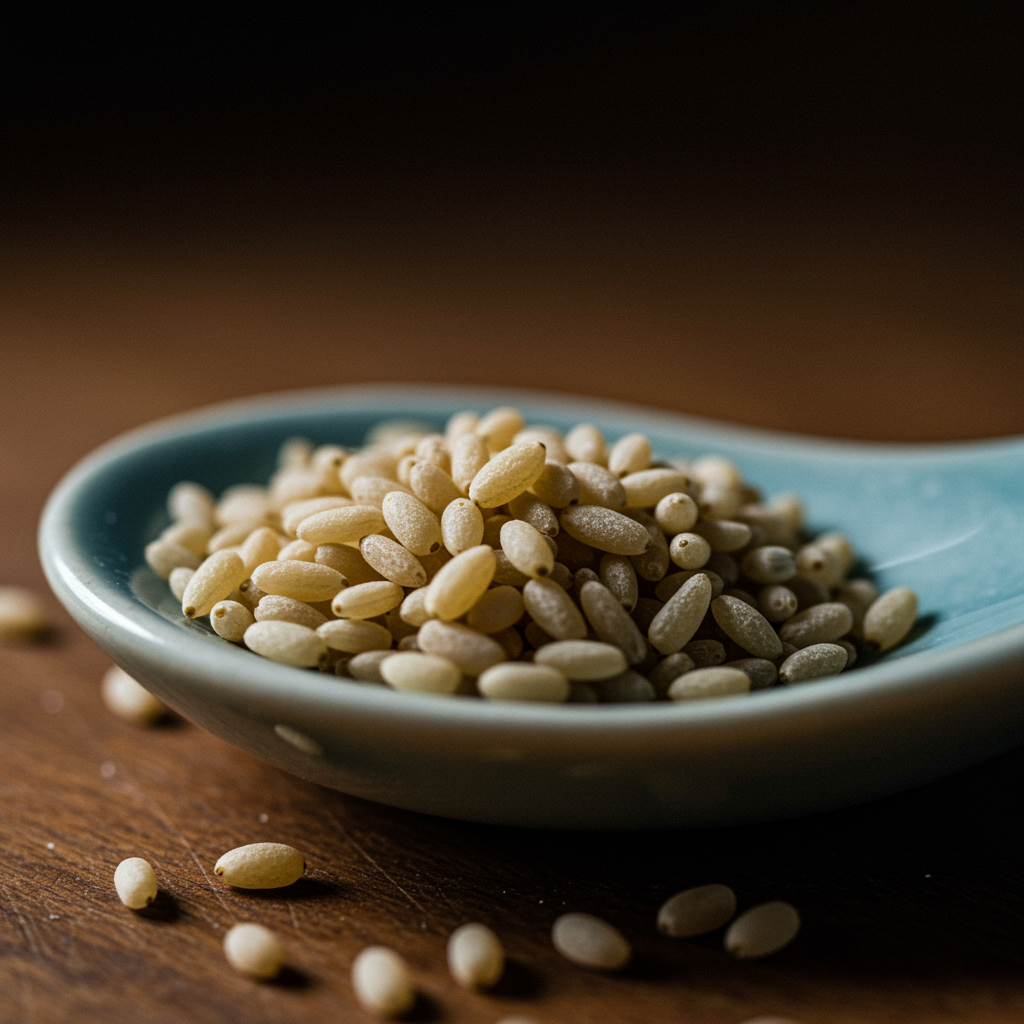

Life Cycle
Perennial

Plant Characteristics
White stars

Growth Habit
Low clumping

Bloom Season
Summer

Flavour Profile
Not edible

Suitable for
Outdoor

Seed Type
Open Pollinated

Plant Type
Flowering Plant

Planting Season
Spring

Fruit Size
Not applicable

Plant Height
15–25 cm

Light Requirement
Full Sun

Water Needs
Low

Hardiness Zones
4–8

Container Garden
Yes

Plant Spacing
20–25 cm

Planting Depth
Surface sow

Growing Conditions
Well drained rocky soil
Frequently Asked Questions
Why is Edelweiss associated with alpine gardens?
Why is Edelweiss associated with alpine gardens?
Its compact growth and woolly white flowers naturally suit rock gardens, alpine beds, and cool-climate landscapes.
Can it be planted in stone crevices?
Can it be planted in stone crevices?
Yes. It grows well in rocky, well-drained locations where many alpine plants thrive.
Which companion plants pair well with Edelweiss?
Which companion plants pair well with Edelweiss?
Saxifrages, gentians, alpine phlox, and dwarf campanulas create harmonious alpine displays.
Does its silvery foliage remain attractive after flowering?
Does its silvery foliage remain attractive after flowering?
Yes. The soft gray-green foliage continues adding texture long after the blooms have faded.
Can it be displayed in alpine troughs?
Can it be displayed in alpine troughs?
Yes. Compact plants are well suited to trough gardens and raised rock displays.
Does decorative gravel enhance its appearance?
Does decorative gravel enhance its appearance?
Yes. Gravel mulch complements its alpine character while supporting good drainage.