



LIFE CYCLE
Perennial

PLANT CHARACTERISTICS
Aromatic deciduous

GROWTH HABIT
Bushy upright spread

BLOOM SEASON
Spring

FLAVOUR PROFILE
Aromatic mildly bitter herbal

SUITABLE FOR
OUT DOOR

PLANTING SEASON
Spring

FRUIT SIZE
Small

PLANT HEIGHT
1.5–2.5 meters

LIGHT REQUIREMENT
FUL SUN

WATER NEEDS
Moderate to High

HARDINESS ZONES
USDA Zones 3–8

CONTAINER GARDEN
NO

PLANT SPACING
1.5–2 meters

PLANTING DEPTH
1–2 cm

GROWING CONDITIONS
Cool climate
Frequently Asked Questions
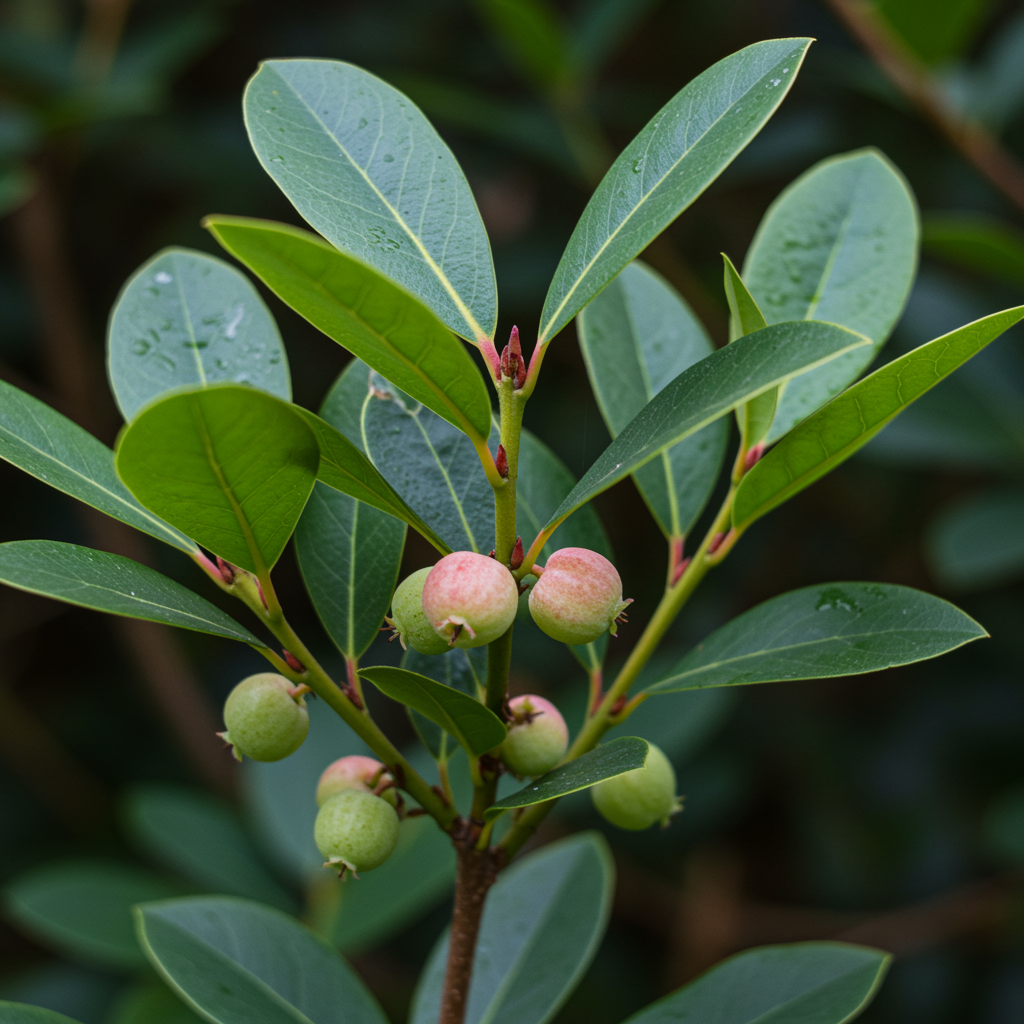
Can Sweet Gale produce fragrant foliage and attractive berry-like fruits?
Can Sweet Gale produce fragrant foliage and attractive berry-like fruits?
Yes. Sweet Gale is admired for its aromatic foliage and decorative clusters of small, waxy fruits that provide seasonal interest.
Do the flowers attract bees and other beneficial pollinators?
Do the flowers attract bees and other beneficial pollinators?
Yes. The small catkin-like flowers provide pollen and attract bees and other beneficial pollinating insects during the flowering season.
Can Sweet Gale be grown as an ornamental shrub in gardens or naturalized landscapes?
Can Sweet Gale be grown as an ornamental shrub in gardens or naturalized landscapes?
Yes. It performs well in wildlife gardens, naturalized plantings, borders, and ornamental landscapes with consistently moist, well-drained soil.
Will occasional pruning help maintain a healthy, compact shrub?
Will occasional pruning help maintain a healthy, compact shrub?
Yes. Light pruning encourages dense branching, improves air circulation, and helps maintain an attractive growth habit.
Can the aromatic foliage and fruits add seasonal interest to the landscape?
Can the aromatic foliage and fruits add seasonal interest to the landscape?
Yes. The fragrant leaves and ornamental fruits provide texture, fragrance, and visual appeal from spring through autumn.
How is Sweet Gale different from Bayberry?
How is Sweet Gale different from Bayberry?
Sweet Gale (Myrica gale) is a moisture-loving deciduous shrub with aromatic foliage that naturally grows in wetlands and boggy areas, while Bayberry (Morella pensylvanica) is a more drought-tolerant shrub with leathery leaves and wax-coated berries commonly found in coastal landscapes.