



Life Cycle
Perennial

Plant Characteristics
Aromatic foliage

Growth Habit
Bushy

Bloom Season
Late Spring–Summer

Flavour Profile
Mildly minty and herbal (not for human culinary use)

Suitable for
Indoor & Outdoor

Seed Type
Organic

Plant Type
Aromatic

Planting Season
Spring

Fruit Size
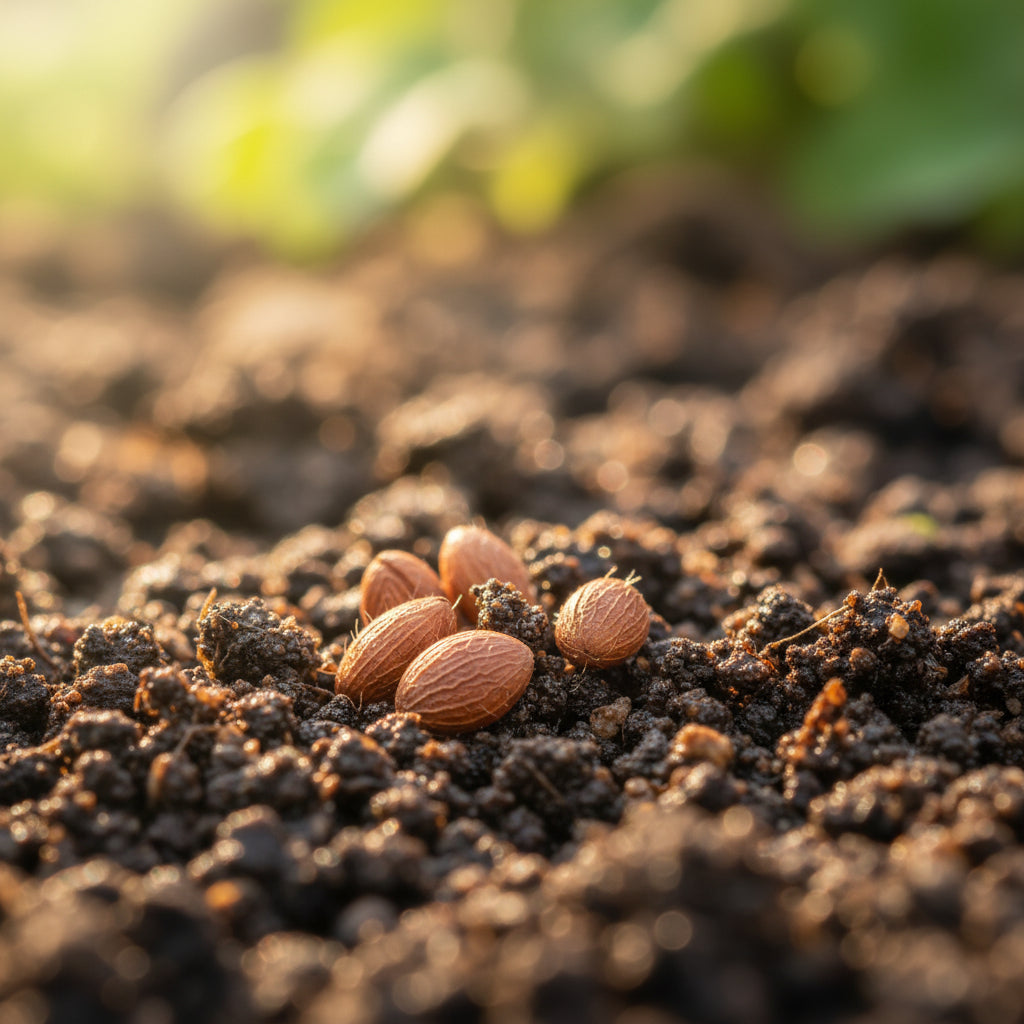
Small seeds

Plant Height
50–90 cm

Light Requirement
Full Sun

Water Needs
Moderate

Hardiness Zones
3–9

Container Garden
Yes

Plant Spacing
45–60 cm
Planting Depth
Surface sow

Growing Conditions
Well-drained soil
Frequently Asked Questions
Does catnip attract bees and other garden pollinators?
Does catnip attract bees and other garden pollinators?
Yes. Catnip flowers can attract bees and other pollinating insects, making it useful in pollinator-friendly garden areas.
Can catnip reseed itself in a home garden?
Can catnip reseed itself in a home garden?
It can produce seeds after flowering and may self-sow under suitable conditions. Removing spent flower heads can help limit unwanted seedlings.
How often can established catnip leaves be harvested?
How often can established catnip leaves be harvested?
Established plants can be harvested periodically during active growth. Taking moderate amounts encourages continued foliage production.
Can catnip tolerate cooler winter conditions?
Can catnip tolerate cooler winter conditions?
Catnip is a hardy perennial and can overwinter in suitable climates, particularly within its listed hardiness range of zones 3–9.
Does catnip need a large container to grow well?
Does catnip need a large container to grow well?
No. Catnip has a bushy habit and can be grown in containers, provided the container has drainage and enough room for root development.
What happens to catnip foliage after flowering?
What happens to catnip foliage after flowering?
The plant continues growing after flowering, but foliage production can change as the plant enters its reproductive stage. Pruning can help maintain a compact form.