



Life Cycle
Perennial

Plant Characteristics
Bright orange poppy flowers

Growth Habit
Compact

Bloom Season
Late spring to summer

Flavour Profile
Not applicable

Suitable for
Outdoor

Planting Season
Spring

Fruit Size
Not applicable

Plant Height
30–40 cm

Light Requirement
Full sun

Water Needs
Low to moderate

Hardiness Zones
5–9

Container Garden
Yes

Plant Spacing
30–40 cm

Planting Depth
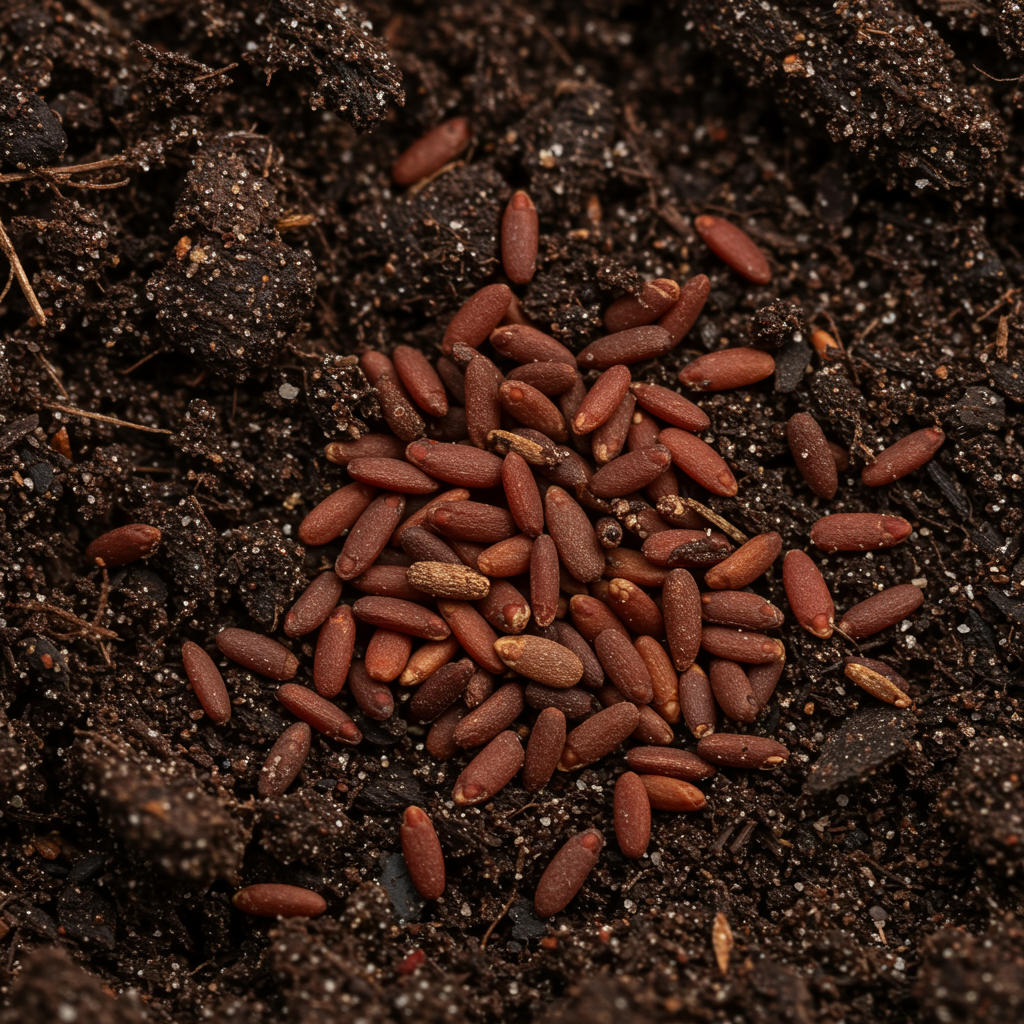
Surface sow

Growing Conditions
Well-drained soil in sunny locations
Frequently Asked Questions
Can Papaver rupifragum 'Orange Feathers' bloom again after the first flush?
Can Papaver rupifragum 'Orange Feathers' bloom again after the first flush?
Yes. Removing faded flowers can encourage additional blooms and help extend the flowering season.
Do the finely fringed petals keep their feathery appearance?
Do the finely fringed petals keep their feathery appearance?
Yes. The blooms retain their distinctive finely fringed petals, giving the flowers a soft, feather-like texture.
Can Papaver rupifragum 'Orange Feathers' be grown in alpine gardens?
Can Papaver rupifragum 'Orange Feathers' be grown in alpine gardens?
Yes. It performs well in sunny, well-drained rock gardens, alpine beds, and gravel landscapes.
Will this poppy attract bees and other pollinators?
Will this poppy attract bees and other pollinators?
Yes. The open flowers provide an accessible source of pollen that attracts bees and other beneficial pollinating insects.
Does the plant form a compact flowering clump?
Does the plant form a compact flowering clump?
Yes. It develops neat, low-growing clumps that fit well in borders, containers, and smaller garden spaces.
How is Papaver rupifragum different from Oriental poppies?
How is Papaver rupifragum different from Oriental poppies?
Papaver rupifragum forms smaller, compact plants with delicate fringed flowers, while Oriental poppies typically produce much larger blooms on taller stems.