



LIFE CYCLE
Perennial

PLANT CHARACTERISTICS
Mixed tubular blooms

GROWTH HABIT
Upright clumping

BLOOM SEASON
Spring summer

FLAVOUR PROFILE
Not edible

SUITABLE FOR
Outdoor

SEED TYPE
Open Pollinated

PLANT TYPE
Flowering Plant

PLANTING SEASON
Spring

FRUIT SIZE
Not applicable

PLANT HEIGHT
40–60 cm

LIGHT REQUIREMENT
Full Sun Partial Shade

WATER NEEDS
Low moderate

HARDINESS ZONES
4–9

CONTAINER GARDEN
Yes

PLANT SPACING
30–40 cm

PLANTING DEPTH
Surface sow

GROWING CONDITIONS
Well drained soil
Frequently Asked Questions
Since "Esprit" is a specific named seed series, will saved seeds reproduce the same colors next year?
Since "Esprit" is a specific named seed series, will saved seeds reproduce the same colors next year?
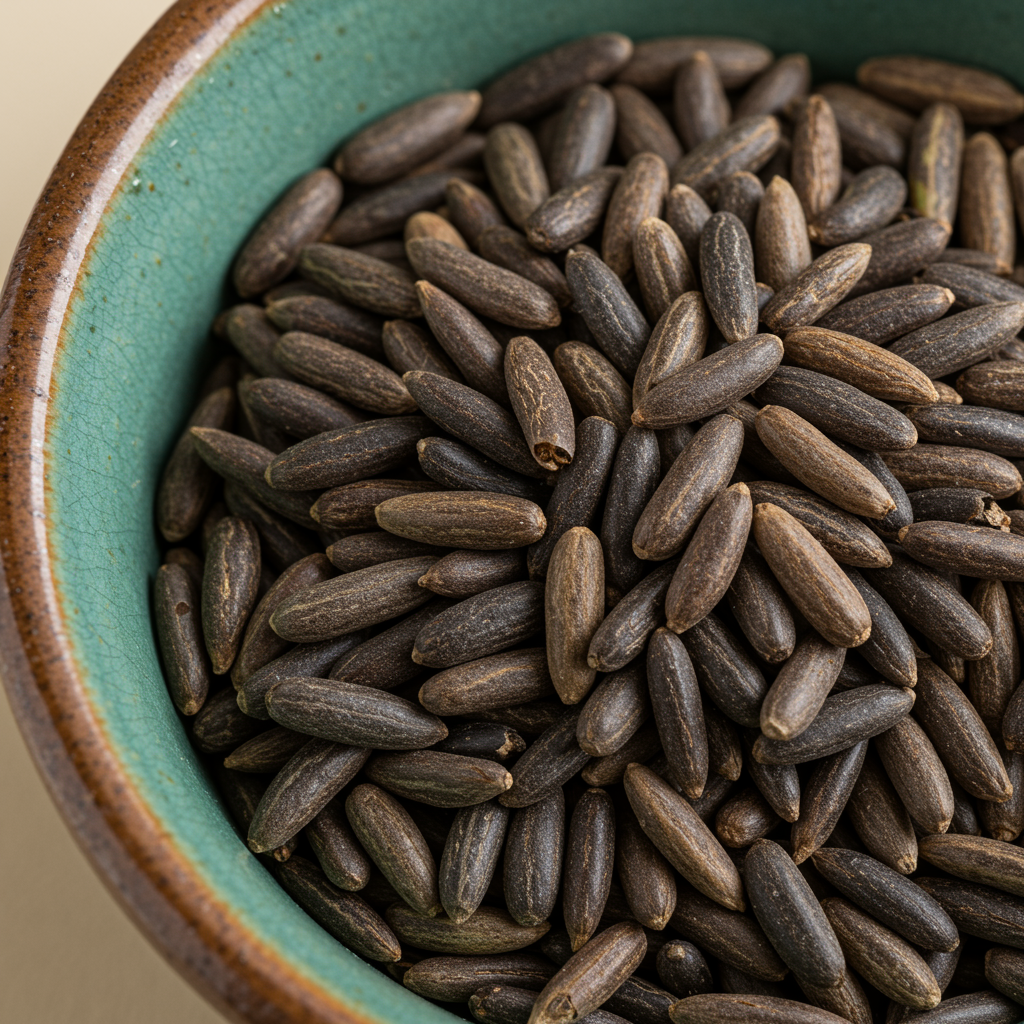
Esprit is a bred garden strain, so seeds saved from your plants may not reliably reproduce the same mix of pink, red, lavender, and white blooms as the original packet.
Is penstemon truly a long-lived perennial, or does it decline after a few years?
Is penstemon truly a long-lived perennial, or does it decline after a few years?
Many garden penstemons, especially hybrid strains, are considered short-lived perennials that may need replacing or dividing every few years rather than lasting indefinitely.
Is "Esprit" a specific wild Penstemon species, or a garden hybrid mix?
Is "Esprit" a specific wild Penstemon species, or a garden hybrid mix?
It's a bred hybrid strain rather than a single wild species; the genus itself includes over 250 different species found mostly in North America.
Why is Penstemon commonly called "beardtongue"?
Why is Penstemon commonly called "beardtongue"?
The name comes from a fuzzy, tongue-like sterile stamen inside the tubular flower that resembles a small beard, a distinguishing feature of the genus.
Do the tubular flowers specifically attract hummingbirds?
Do the tubular flowers specifically attract hummingbirds?
Yes, the elongated tubular shape is well-suited to hummingbird feeding, in addition to attracting bees and butterflies.
Why is soil drainage so critical for penstemon in winter?
Why is soil drainage so critical for penstemon in winter?
Penstemon roots are prone to rot in soggy winter soil, so ensuring sharp drainage helps prevent crown rot during the dormant season, even in otherwise hardy varieties.