


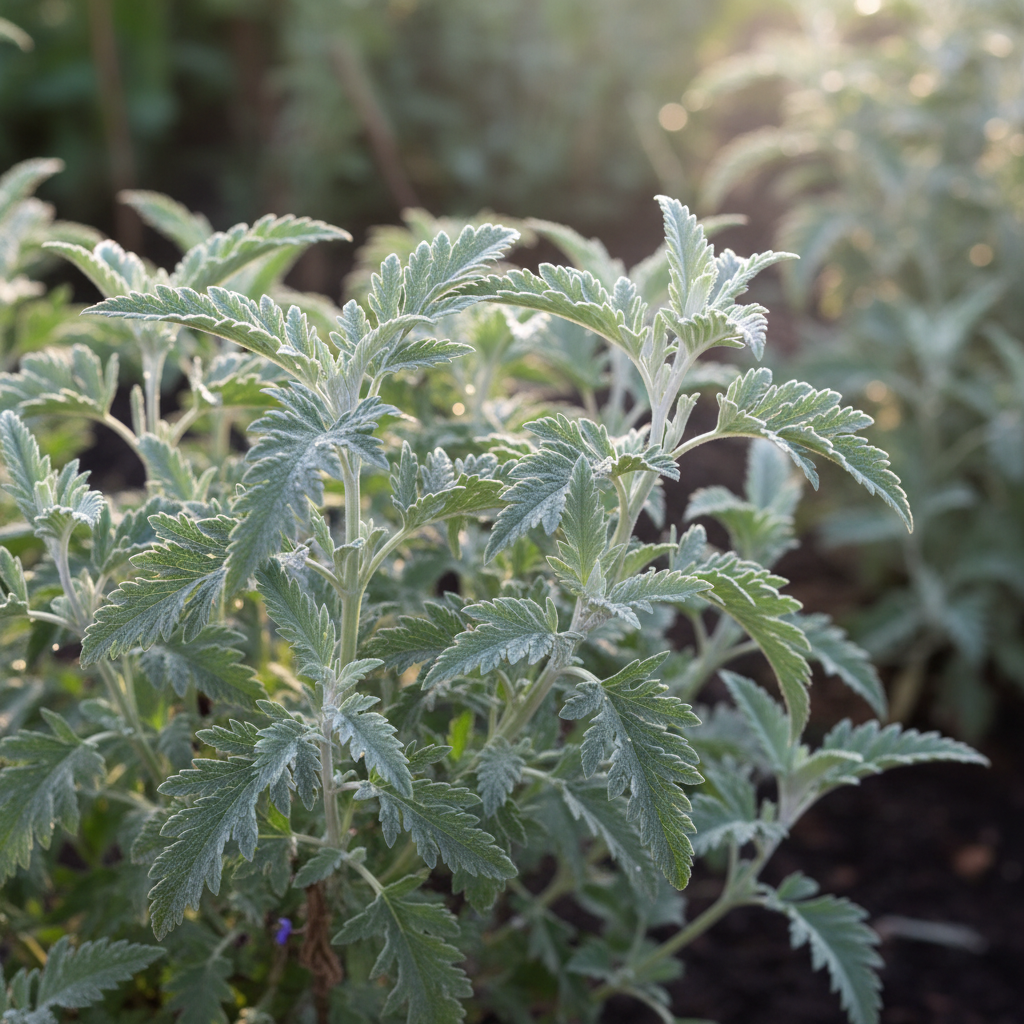

Life Cycle
Perennial

Plant Characteristics
Silvery Aromatic

Growth Habit
Upright

Bloom Season
Midsummer

Flavour Profile
Primarily ornamental

Suitable for
Outdoor

Planting Season
Spring

Fruit Size
N/A

Plant Height
36–90 cm

Light Requirement
Full Sun

Water Needs
Low

Hardiness Zones
USDA 4-9

Container Garden
Yes

Plant Spacing
18–24 in

Planting Depth
Shallow

Growing Conditions
Well-drained soil
Frequently Asked Questions
What makes Perovskia atriplicifolia a popular ornamental perennial?
What makes Perovskia atriplicifolia a popular ornamental perennial?
Perovskia atriplicifolia, commonly known as Russian Sage, is admired for its airy spikes of lavender-blue flowers, silvery foliage, and long-lasting seasonal display that adds texture and color to the garden.
Where can Perovskia atriplicifolia be grown?
Where can Perovskia atriplicifolia be grown?
It thrives in borders, cottage gardens, pollinator gardens, rock gardens, and large containers with well-drained soil and plenty of sunlight.
Do bees, butterflies, and other pollinators visit the flowers?
Do bees, butterflies, and other pollinators visit the flowers?
Yes, the nectar-rich blooms may attract bees, butterflies, and other beneficial pollinating insects throughout the flowering season.
Can Perovskia atriplicifolia be used in landscape designs?
Can Perovskia atriplicifolia be used in landscape designs?
Yes, its upright growth and soft, airy flower spikes make it an excellent choice for mixed borders, mass plantings, and drought-tolerant landscape designs.
Does pruning help maintain healthy growth?
Does pruning help maintain healthy growth?
Yes, light pruning at the appropriate time helps maintain a compact shape and encourages vigorous new growth and abundant flowering.
Does this perennial return each growing season?
Does this perennial return each growing season?
Yes, healthy plants can produce fresh silvery foliage and colorful flower spikes year after year, providing reliable ornamental interest throughout the growing season.