



LIFE CYCLE
Annual

PLANT CHARACTERISTICS
Vigorous

GROWTH HABIT
Trailing

BLOOM SEASON
Spring to early summer

FLAVOUR PROFILE
mild

SUITABLE FOR
out door

PLANTING SEASON
Spring to summer

FRUIT SIZE
Large

PLANT HEIGHT
6 to 10 feet

LIGHT REQUIREMENT
full sun

WATER NEEDS
Moderate

HARDINESS ZONES
USDA 3–11

CONTAINER GARDEN
Yes

PLANT SPACING
60 to 90 cm

PLANTING DEPTH
2 to 3 cm

GROWING CONDITIONS
Warm
Frequently Asked Questions
What makes Piel de Sapo (Santa Claus) Melon a popular melon variety?
What makes Piel de Sapo (Santa Claus) Melon a popular melon variety?
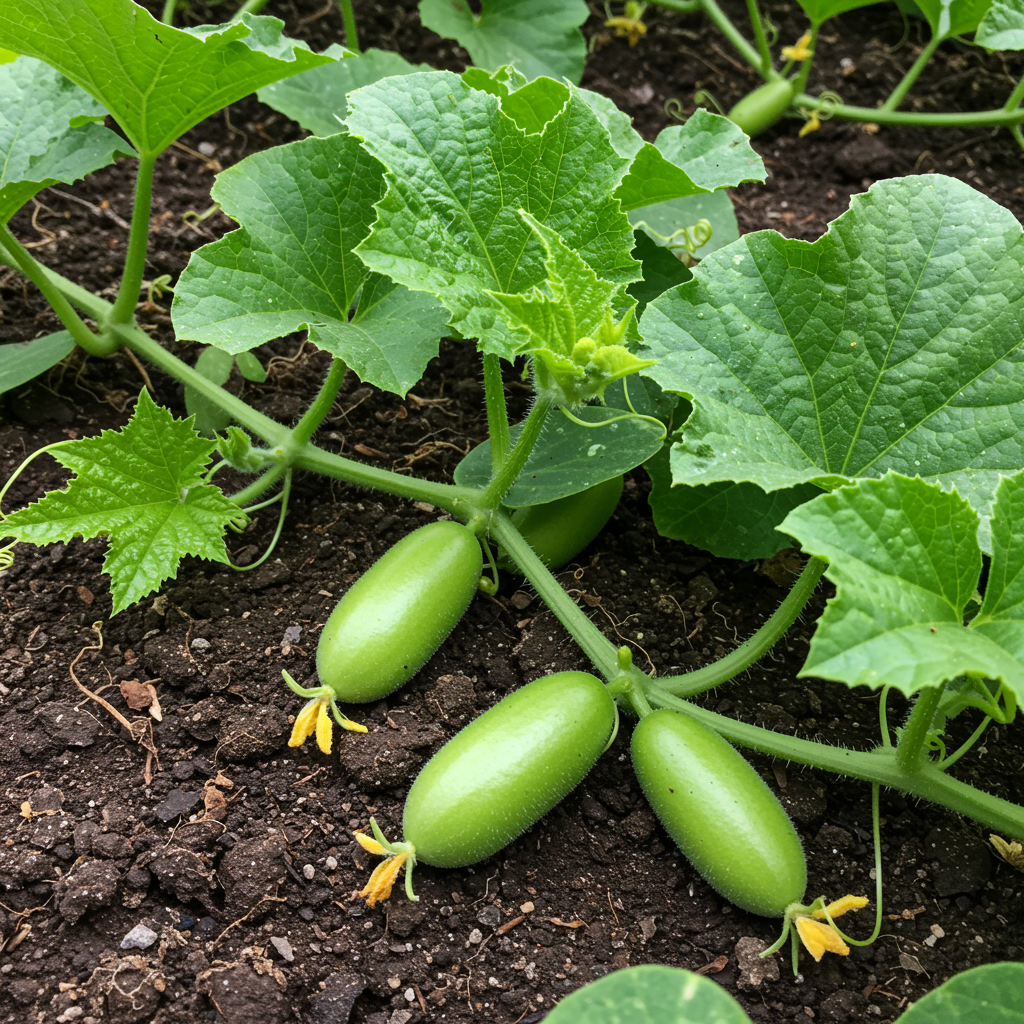
Piel de Sapo, also known as Santa Claus Melon, is appreciated for its vigorous vines, distinctive elongated fruits, and dependable seasonal harvests, making it a popular choice for home vegetable gardens, raised beds, and edible landscapes.
Where can Piel de Sapo Melon be grown?
Where can Piel de Sapo Melon be grown?
It grows well in garden beds, raised beds, greenhouses, and spacious containers with fertile, well-drained soil in a location that receives full sun.
When are Piel de Sapo Melons ready to harvest?
When are Piel de Sapo Melons ready to harvest?
The fruits are typically ready to harvest once they reach their mature size, develop their characteristic green mottled rind, and show signs of ripeness. Harvest timing may vary depending on growing conditions.
How can Piel de Sapo Melons be enjoyed?
How can Piel de Sapo Melons be enjoyed?
The harvested melons are suitable for fresh fruit platters, fruit salads, smoothies, chilled desserts, juices, and a variety of homemade recipes.
Does harvesting ripe melons at the proper time help maintain quality?
Does harvesting ripe melons at the proper time help maintain quality?
Yes, harvesting melons when they are fully mature helps preserve their texture and overall quality while ensuring the best harvest experience under suitable growing conditions.
Can Piel de Sapo Melon be grown in containers?
Can Piel de Sapo Melon be grown in containers?
Yes, it can be grown successfully in large containers with nutrient-rich, well-drained soil, consistent watering, full sunlight, and adequate space or support for the vines, making it suitable for patios, balconies, and other small-space gardens.