Skip to product information
1 of 7

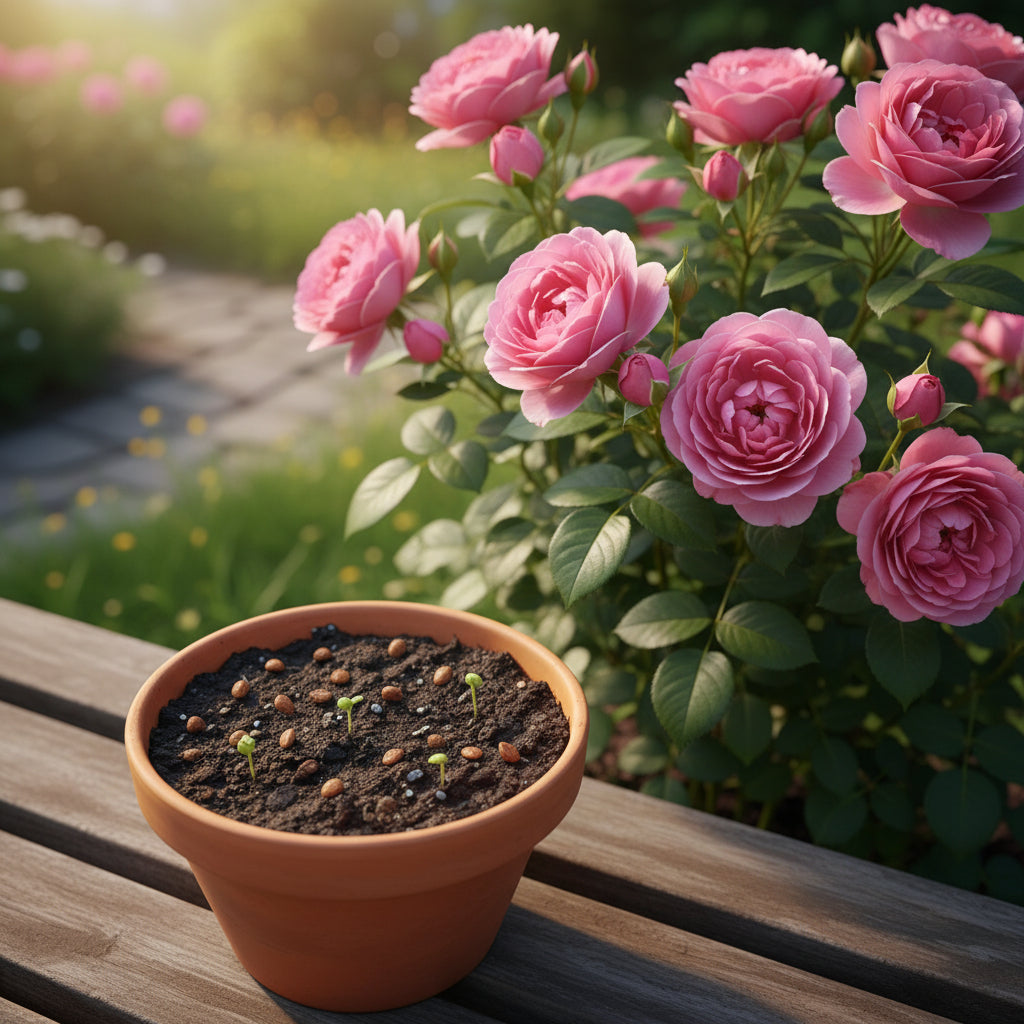
Pink Damascus Rose Seeds for Planting

Pink Damascus Rose Seeds for Planting

Regular price $16.99 USD
Regular price Sale price $16.99 USD
Sale Sold out
Quantity

How to Sow and Plant

Cold-stratify seeds — as per the product’s own planting guide (store seeds damp in refrigerator for a few weeks) to break dormancy.
Soak seeds in water for 24 hours before sowing — helps improve germination.
Sow seeds about ¼ inch (≈ 6 mm) deep in a well-draining seed-starting mix.
Maintain even moisture and warm temperature for germination (typically 7–21 days or few weeks depending on conditions).
Once seedlings develop strong roots and first leaves, transplant outdoors to fertile, well-drained soil in a sunny location.

How to Grow

Sunlight: Full sun (minimum 6–8 hours daily) for best bloom and growth.
Soil: Fertile, well-drained soil, slightly acidic to neutral (pH ~6.0–7.0) as specified for roses.
Water: Moderate — keep soil consistently moist but avoid waterlogging. Water more in dry/hot spells.
Pruning: After first blooms, clean up spent flowers and prune to shape; helps encourage new blooms.
Fertilizing & Soil Care: Enrich soil with compost or balanced fertilizer for healthy foliage and abundant blooms; ensure good drainage to prevent root issues.

Tips

Use cold-stratification + pre-soaking to boost germination rate — rose seeds often benefit from this pre-treatment.
Sow in spring or early autumn for favourable temperatures and better growth.
If using containers, choose large pots with good drainage, and ensure ample sunlight and airflow.
Protect young seedlings from extreme heat and strong winds — roses prefer stable conditions when young.

View full details
About
Product Information
Features
life-cycle

LIFE CYCLE

Perennial

plant-characteristics

PLANT CHARACTERISTICS

Vigorous Growth

growth-habit

GROWTH HABIT

Bushy

bloom-season

BLOOM SEASON

Spring through fall

flavour-profile

FLAVOUR PROFILE

Ornamental

suitable-for

SUITABLE FOR

Both

About
Pink Damascus Rose Seeds for Planting
seed-type

SEED TYPE

Non-GMO

plant-type

PLANT TYPE

Perennial Flower

The Pink Damascus Rose is a centuries-old, classic rose variety (Rosa × damascena) celebrated for its beautiful pink blooms, layered petals, and fragrant presence. Historically cultivated for rose water and ornamental gardens, this rose adds timeless charm and elegance to any landscape — garden beds, hedges, walkways, or container borders. With premium non-GMO seeds, gardeners can grow this perennial shrub from scratch; once established, it offers years of blooms and easy maintenance under proper care.

Planting information
planting-season

PLANTING SEASON

Spring

fruit-size

FRUIT SIZE

N/A

plant-height

PLANT HEIGHT

3–5 ft

light-requirement

LIGHT REQUIREMENT

Full Sun

water-needs

WATER NEEDS

Moderate

hardiness-zones

HARDINESS ZONES

Zones 5–9

container-garden

CONTAINER GARDEN

Yes

plant-spacing

PLANT SPACING

18–24 in

planting-depth

PLANTING DEPTH

Light Cover

growing-conditions

GROWING CONDITIONS

Sunny

Coverage
Seed Count
Recommended Coverage
SEED COUNT
100
GTIN
036000125337

Frequently Asked Questions

Why are Damascus roses associated with traditional rose products?

Rosa × damascena has a long history of cultivation for rose water and other traditional rose products. The listing also presents it as an ornamental garden rose.

Will seedlings from rose seeds always match the parent flower?

Not necessarily. Seed-grown roses can show variation in traits such as flower form and color, so seedlings may not be identical to a parent plant.

Can a Damascus rose be shaped into a low garden hedge?

Yes. Its bushy growth habit and 3–5 ft listed height can work for informal borders or low hedge-style planting when plants are spaced appropriately.

Why might rose seeds take longer to sprout than vegetables?

Rose seeds can have dormancy that benefits from cold stratification. The product guide recommends this treatment before sowing rather than treating them like quick-germinating vegetable seeds.

Can Damascus rose flowers be used as cut flowers?

Yes. The blooms can be used for ornamental displays and cutting. Harvesting stems at an appropriate bud stage can help them transition well into indoor arrangements.

What garden setting suits a bushy Damascus rose?

Its bushy form suits sunny beds, borders, walkways and informal hedge plantings. Allow enough space for airflow around the mature shrub.