



LIFE CYCLE
Perennial

PLANT CHARACTERISTICS
Large blooms

GROWTH HABIT
Clump forming

BLOOM SEASON
Spring

FLAVOUR PROFILE
Ornamental

SUITABLE FOR
Outdoor

SEED TYPE
Open pollinated

PLANT TYPE
Flowering plant

PLANTING SEASON
Winter

FRUIT SIZE
N/A

PLANT HEIGHT
60–90 cm

LIGHT REQUIREMENT
Full sun

WATER NEEDS
Moderate

HARDINESS ZONES
3–8

CONTAINER GARDEN
Yes

PLANT SPACING
30–45 cm

PLANTING DEPTH
Surface sow

GROWING CONDITIONS
Well-drained soil
Frequently Asked Questions
Why should established Oriental poppies not be moved frequently?
Why should established Oriental poppies not be moved frequently?
The product instructions recommend avoiding transplanting once established. Their established root systems are better left undisturbed where possible.
What should I do with Oriental poppy foliage after flowering?
What should I do with Oriental poppy foliage after flowering?
Allow the plant to die back naturally after flowering. This follows the product's care guidance and allows the perennial to complete its seasonal growth cycle.
Can pink Oriental poppies be planted in a mixed perennial border?
Can pink Oriental poppies be planted in a mixed perennial border?
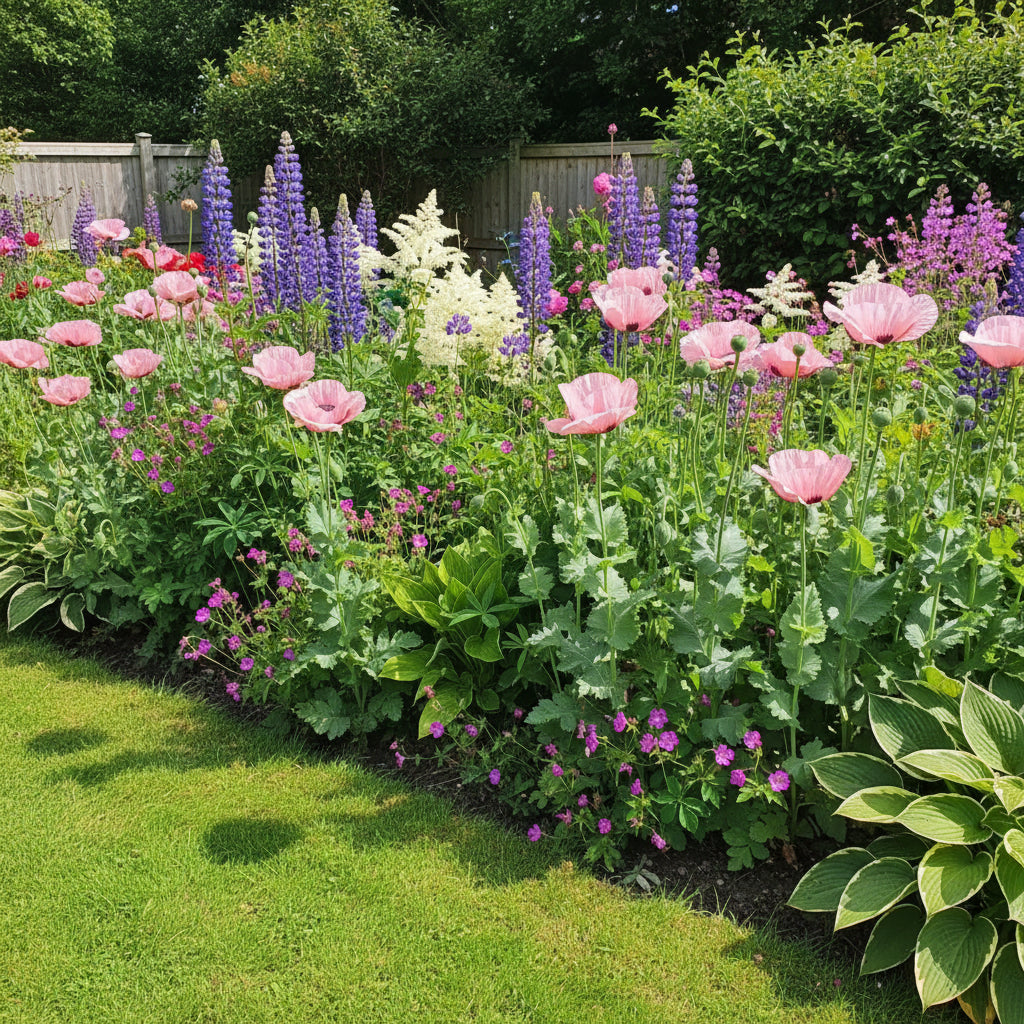
Yes. Their clump-forming habit and spring blooms make them suitable for mixed borders alongside compatible perennial plants.
How much space should be left between pink Oriental poppies?
How much space should be left between pink Oriental poppies?
The listed spacing is 30–45 cm. This provides room for each clump to develop while reducing excessive crowding.
Can these poppies be grown in containers?
Can these poppies be grown in containers?
Yes. The product specifications list container gardening as suitable. Use a container with drainage and provide full sun and well-drained growing media.
Why are Oriental poppy seeds surface sown?
Why are Oriental poppy seeds surface sown?
The seeds are small and should remain near the surface. The page recommends pressing them lightly onto the soil rather than covering them deeply.