



LIFE CYCLE
Perennial

PLANT CHARACTERISTICS
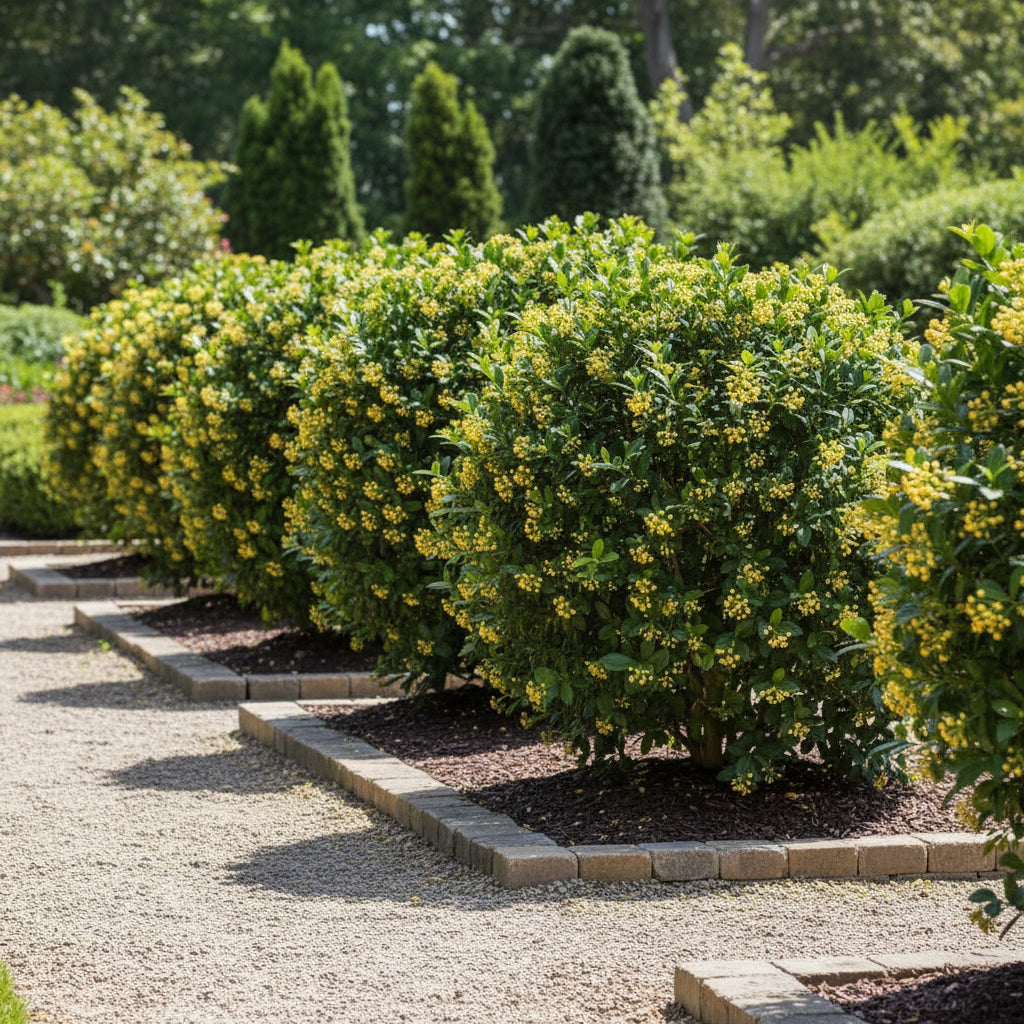
Fragrant golden flowers

GROWTH HABIT
Bushy shrub

BLOOM SEASON
Year-round

FLAVOUR PROFILE
Ornamental fragrance

SUITABLE FOR
Outdoor

PLANTING SEASON
Spring

FRUIT SIZE
N/A

PLANT HEIGHT
150–300 cm

LIGHT REQUIREMENT
Full sun

WATER NEEDS
Moderate

HARDINESS ZONES
9–11

CONTAINER GARDEN
Yes

PLANT SPACING
90–120 cm

PLANTING DEPTH
½ inch

GROWING CONDITIONS
Well-drained soil
Frequently Asked Questions
Can Aglaia odorata produce clusters of small, fragrant golden-yellow flowers?
Can Aglaia odorata produce clusters of small, fragrant golden-yellow flowers?
Yes. Aglaia odorata is valued for its small, rounded golden-yellow flowers and pleasant fragrance, which can add ornamental interest to gardens and containers.
Does Aglaia odorata grow best in warm, sunny conditions?
Does Aglaia odorata grow best in warm, sunny conditions?
Yes. It generally performs well in warm climates with bright sunlight or partial shade, fertile soil, and good drainage.
Can Aglaia odorata be grown in containers or as an ornamental shrub?
Can Aglaia odorata be grown in containers or as an ornamental shrub?
Yes. Its compact growth habit makes it suitable for containers, patios, balconies, garden borders, and ornamental landscape plantings.
Will light pruning help maintain a compact and attractive shape?
Will light pruning help maintain a compact and attractive shape?
Yes. Regular light pruning can encourage branching, maintain a neat form, and remove unwanted or damaged growth.
Can the fragrant flowers attract bees and other beneficial insects?
Can the fragrant flowers attract bees and other beneficial insects?
Yes. The fragrant flowers can provide floral resources for bees and other beneficial visiting insects during the flowering period.
How is Aglaia odorata different from Murraya paniculata?
How is Aglaia odorata different from Murraya paniculata?
Aglaia odorata is known for its small, rounded yellow flowers and fine-textured evergreen foliage, while Murraya paniculata produces clusters of larger white, highly fragrant flowers followed by small red fruits.