


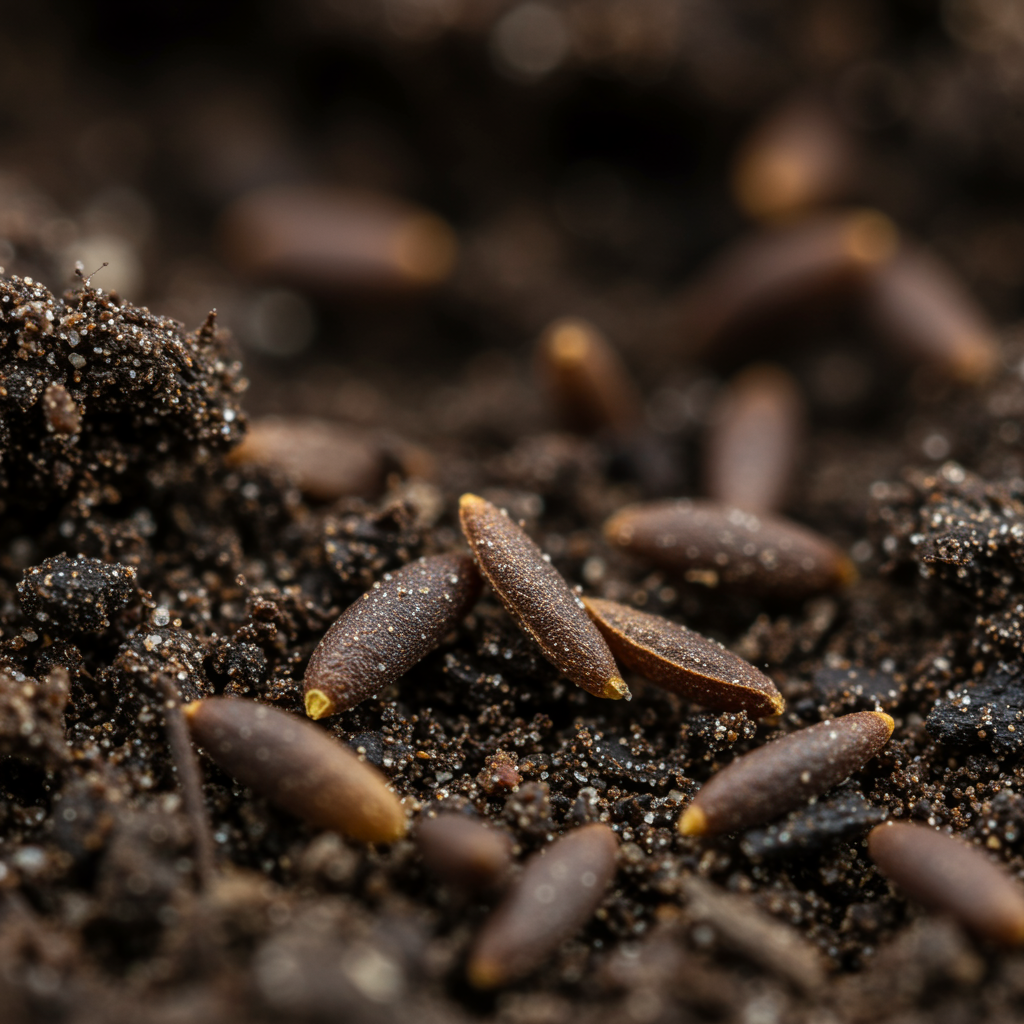

Life Cycle
Perennial

Plant Characteristics
Large

Growth Habit
Low-growing

Bloom Season
Early spring

Flavour Profile
Not applicable

Suitable for
Outdoor

Seed Type
Non-GMO

Plant Type
Flowering Ornamental Perennial

Planting Season
Autumn to early spring

Fruit Size
Not applicable

Plant Height
25–35 cm

Light Requirement
Partial shade

Water Needs
Moderate to high

Hardiness Zones
4–8

Container Garden
Yes

Plant Spacing
20–25 cm

Planting Depth
Surface sow

Growing Conditions
Cool climate
Frequently Asked Questions
Can Primula grandis grow beneath taller garden plants?
Can Primula grandis grow beneath taller garden plants?
Yes. Its low-growing habit and preference for partial shade make it suitable for positions receiving filtered light beneath taller plants, provided the soil stays moist and well drained.
Why is cold stratification useful for these Primula seeds?
Why is cold stratification useful for these Primula seeds?
Cold stratification provides a cool period before sowing that can help prepare the seeds for germination. The page recommends 3–4 weeks of cold stratification.
Can Primula grandis be combined with spring woodland-style planting?
Can Primula grandis be combined with spring woodland-style planting?
Yes. Its low-growing form and early spring bloom period suit woodland-inspired borders, shaded beds, and cool garden compositions with compatible moisture needs.
How can mulch help Primula grandis during warmer weather?
How can mulch help Primula grandis during warmer weather?
A light mulch layer can help keep the root zone cooler and reduce moisture loss. Avoid placing excessive mulch directly against the plant crown.
Is Primula grandis suitable for a small container display?
Is Primula grandis suitable for a small container display?
Yes. The page lists container growing as suitable. Its 25–35 cm height and low-growing habit can work well in a cool, shaded container arrangement.
What happens if this Primula is exposed to hot afternoon sun?
What happens if this Primula is exposed to hot afternoon sun?
Hot, dry conditions can stress the plant. The growing guidance recommends partial shade and specifically advises avoiding direct afternoon sun and hot, dry locations.