



Life Cycle
Annual

Plant Characteristics
yellow

Growth Habit
Spreading vine

Bloom Season
Summer

Flavour Profile
Mild

Suitable for
Outdoor

Seed Type
Open Pollinated

Plant Type
Fruit Vegetable

Planting Season
Early Summer

Fruit Size
Large

Plant Height
30–45 cm

Light Requirement
Full Sun

Water Needs
Moderate

Hardiness Zones
3–10

Container Garden
Yes

Plant Spacing
90–120 cm

Planting Depth
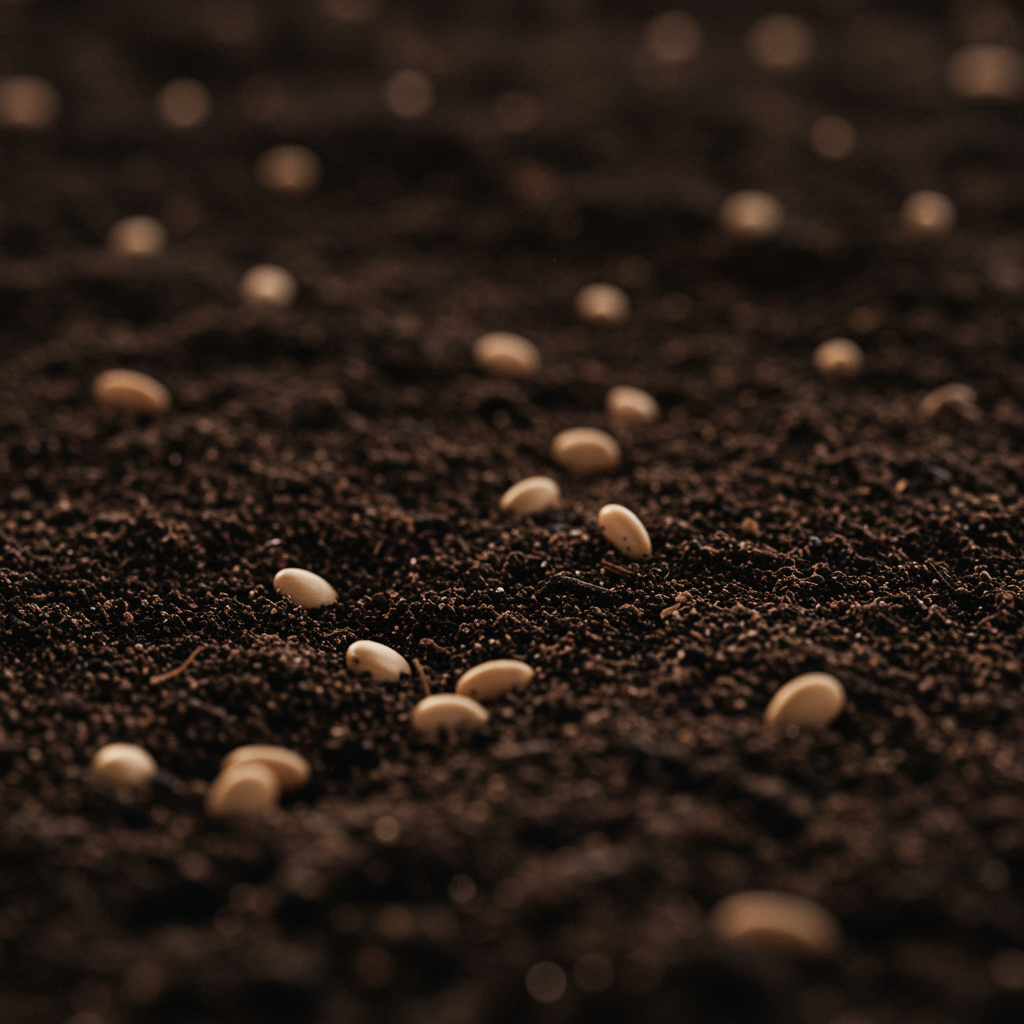
2–3 cm

Growing Conditions
Warm climate
Frequently Asked Questions
Can Pumpkin Blossom plants produce large, edible flowers during the growing season?
Can Pumpkin Blossom plants produce large, edible flowers during the growing season?
Yes. Pumpkin plants produce large yellow-orange blossoms that are attractive in the garden and can be harvested for culinary use.
Do Pumpkin Blossoms grow best in warm, sunny conditions?
Do Pumpkin Blossoms grow best in warm, sunny conditions?
Yes. Pumpkin plants generally perform well in warm weather with full sun, fertile soil, and consistent moisture.
Can Pumpkin Blossom plants be grown in raised beds or spacious garden plots?
Can Pumpkin Blossom plants be grown in raised beds or spacious garden plots?
Yes. They can be grown in raised beds and traditional vegetable gardens where the spreading vines have sufficient room to develop.
Will regular harvesting of blossoms encourage continued flower production?
Will regular harvesting of blossoms encourage continued flower production?
Yes. Harvesting flowers selectively can provide fresh blossoms while allowing enough flowers to remain for pollination and fruit development.
Can Pumpkin Blossoms be used in cooking?
Can Pumpkin Blossoms be used in cooking?
Yes. Young pumpkin blossoms can be stuffed, battered and fried, sautéed, added to soups, or incorporated into other culinary preparations.
How are Pumpkin Blossoms different from Zucchini Blossoms?
How are Pumpkin Blossoms different from Zucchini Blossoms?
Pumpkin Blossoms come from pumpkin plants and are generally larger with a strong yellow-orange appearance, while Zucchini Blossoms come from zucchini plants and are typically more delicate, pale yellow flowers commonly used in cooking.