



LIFE CYCLE
Perennial

PLANT CHARACTERISTICS
Colorful

GROWTH HABIT
Clumping

BLOOM SEASON
Spring–Summer

FLAVOUR PROFILE
Ornamental

SUITABLE FOR
Outdoor

SEED TYPE
Open-pollinated

PLANT TYPE
Flowering plant

PLANTING SEASON
Spring

FRUIT SIZE
N/A

PLANT HEIGHT
30–45 cm

LIGHT REQUIREMENT
Full sun

WATER NEEDS
Moderate

HARDINESS ZONES
5–9

CONTAINER GARDEN
Yes

PLANT SPACING
25–30 cm

PLANTING DEPTH
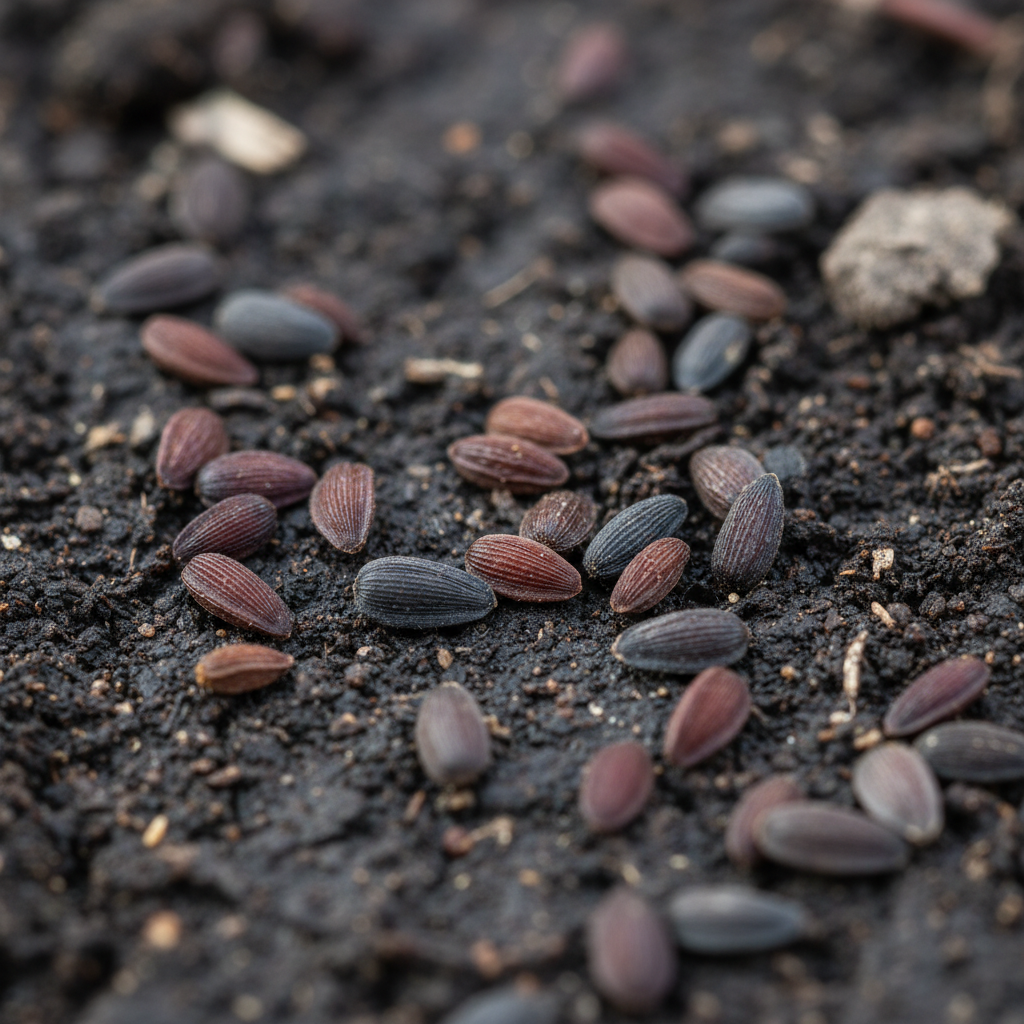
Surface sow

GROWING CONDITIONS
Well-drained
Frequently Asked Questions
Can Purple Daisy produce vibrant blooms over a long flowering season?
Can Purple Daisy produce vibrant blooms over a long flowering season?
Yes. Under suitable growing conditions, it produces abundant purple flowers that provide long-lasting color in borders and garden beds.
Do the flowers make attractive cut blooms?
Do the flowers make attractive cut blooms?
Yes. The sturdy stems and long-lasting flowers make them suitable for fresh floral arrangements and bouquets.
Can Purple Daisy be planted in cottage gardens and mixed borders?
Can Purple Daisy be planted in cottage gardens and mixed borders?
Yes. It blends beautifully with other flowering perennials and annuals in cottage gardens, meadow plantings, and ornamental borders.
Will removing faded flowers encourage continued blooming?
Will removing faded flowers encourage continued blooming?
Yes. Regular deadheading helps extend the flowering season and encourages the production of additional blooms.
Can the flowers attract bees and butterflies?
Can the flowers attract bees and butterflies?
Yes. The nectar-rich blooms attract bees, butterflies, and other beneficial pollinating insects throughout the flowering season.
How is Purple Daisy different from Shasta Daisy?
How is Purple Daisy different from Shasta Daisy?
Purple Daisy typically produces blooms in shades of purple or lavender, while Shasta Daisy (Leucanthemum × superbum) is known for its classic white petals surrounding a bright yellow center.