


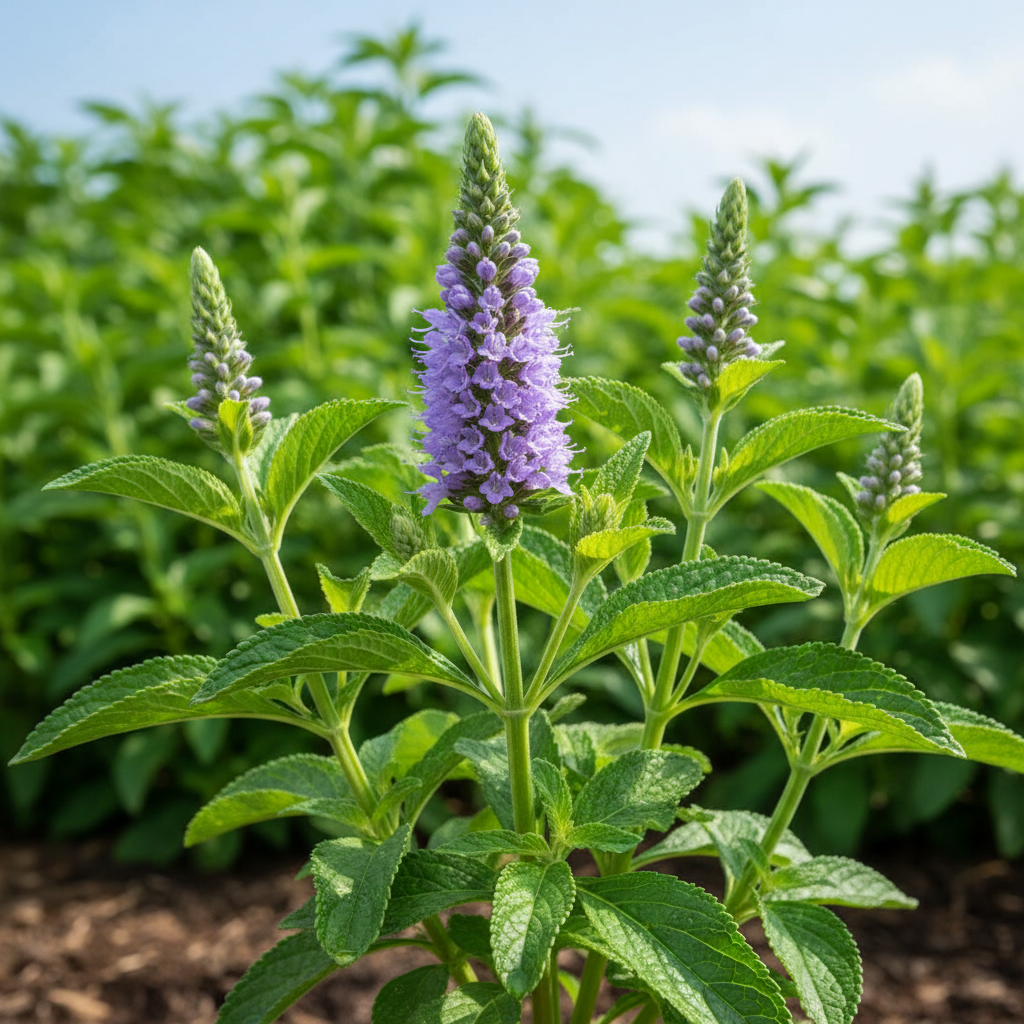

LIFE CYCLE
Perennial

PLANT CHARACTERISTICS
Aromatic flowers

GROWTH HABIT
Upright

BLOOM SEASON
Late spring

FLAVOUR PROFILE
Ornamental

SUITABLE FOR
Outdoor

SEED TYPE
Non-GMO

PLANT TYPE
Flowering

PLANTING SEASON
Spring

FRUIT SIZE
N/A

PLANT HEIGHT
30–60 cm

LIGHT REQUIREMENT
Full Sun

WATER NEEDS
Low

HARDINESS ZONES
4–8

CONTAINER GARDEN
Yes

PLANT SPACING
30–45 cm

PLANTING DEPTH
Surface

GROWING CONDITIONS
Well-drained soil
Frequently Asked Questions
What makes Purple Horehound different from common garden herbs?
What makes Purple Horehound different from common garden herbs?
It combines ornamental purple flower spikes with aromatic foliage, making it suitable for decorative herb and flower gardens.
Can it be planted in pollinator borders?
Can it be planted in pollinator borders?
Yes. Flower spikes may attract bees, butterflies, and other beneficial pollinating insects.
Which plants complement Purple Horehound?
Which plants complement Purple Horehound?
Lavender, salvia, catmint, and echinacea create attractive perennial combinations.
Can it be grown in herb-themed gardens?
Can it be grown in herb-themed gardens?
Yes. It blends naturally with ornamental herbs and flowering perennial borders.
Does pruning help maintain its shape?
Does pruning help maintain its shape?
Light trimming encourages a tidy appearance and supports balanced growth.
Is Purple Horehound mainly grown as an ornamental plant?
Is Purple Horehound mainly grown as an ornamental plant?
Yes. It is commonly grown for its attractive flowers and decorative garden value.