



LIFE CYCLE
Perennial

PLANT CHARACTERISTICS
Evergreen terrestrial

GROWTH HABIT
Rosette forming

BLOOM SEASON
summer

FLAVOUR PROFILE
Primarily ornamental

SUITABLE FOR
Outdoor

SEED TYPE
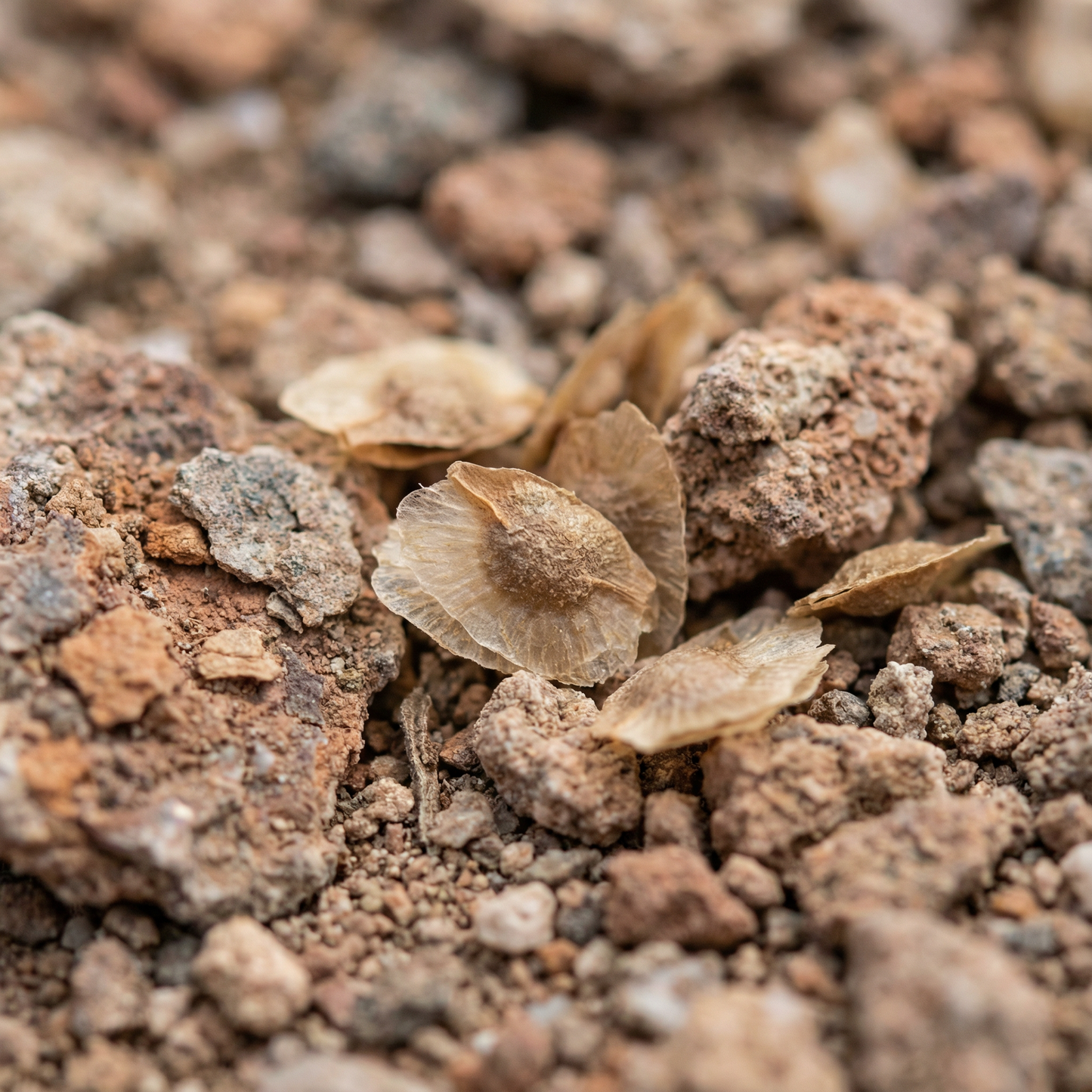
Small, winged seeds adapted for wind dispersal.

PLANT TYPE
Perennial terrestrial bromeliad

PLANTING SEASON
Spring

FRUIT SIZE
N/A

PLANT HEIGHT
2–3 m (6–10 ft)

LIGHT REQUIREMENT
Full Sun

WATER NEEDS
Low/Moderate

HARDINESS ZONES
USDA 8–11

CONTAINER GARDEN
Yes

PLANT SPACING
2–3 m

PLANTING DEPTH
Surface / shallow

GROWING CONDITIONS
Well-drained soil
Frequently Asked Questions
What makes Puya chilensis different from agaves?
What makes Puya chilensis different from agaves?
It forms dramatic rosettes with tall flower spikes while offering a distinct ornamental appearance from agave species.
Can it become a focal point in dry landscapes?
Can it become a focal point in dry landscapes?
Yes. Architectural foliage creates a bold centerpiece in rock gardens and xeriscapes.
Which plants pair well with Puya chilensis?
Which plants pair well with Puya chilensis?
Agaves, yuccas, aloes, blue fescue, and ornamental grasses create striking dry garden displays.
Does the foliage remain ornamental year-round?
Does the foliage remain ornamental year-round?
Yes. Spiky evergreen leaves provide lasting texture through every season. present.
Can it be planted in gravel gardens?
Can it be planted in gravel gardens?
Yes. Excellent drainage and sunny locations suit its ornamental growth habit.
Do birds or pollinators visit mature flower spikes?
Do birds or pollinators visit mature flower spikes?
Mature blooms may attract pollinating insects and occasional nectar-feeding birds where