



LIFE CYCLE
Perennial

PLANT CHARACTERISTICS
Broad

GROWTH HABIT
Clumping perennial

BLOOM SEASON
Summer

FLAVOUR PROFILE
Ornamental

SUITABLE FOR
Outdoor

SEED TYPE
Non-GMO

PLANT TYPE
Perennial shade

PLANTING SEASON
Spring

FRUIT SIZE
N/A

PLANT HEIGHT
Medium

LIGHT REQUIREMENT
Shade

WATER NEEDS
Moderate

HARDINESS ZONES
Zones 3–9

CONTAINER GARDEN
Yes

PLANT SPACING
12–24 in

PLANTING DEPTH
Surface Sow

GROWING CONDITIONS
Shady
Frequently Asked Questions
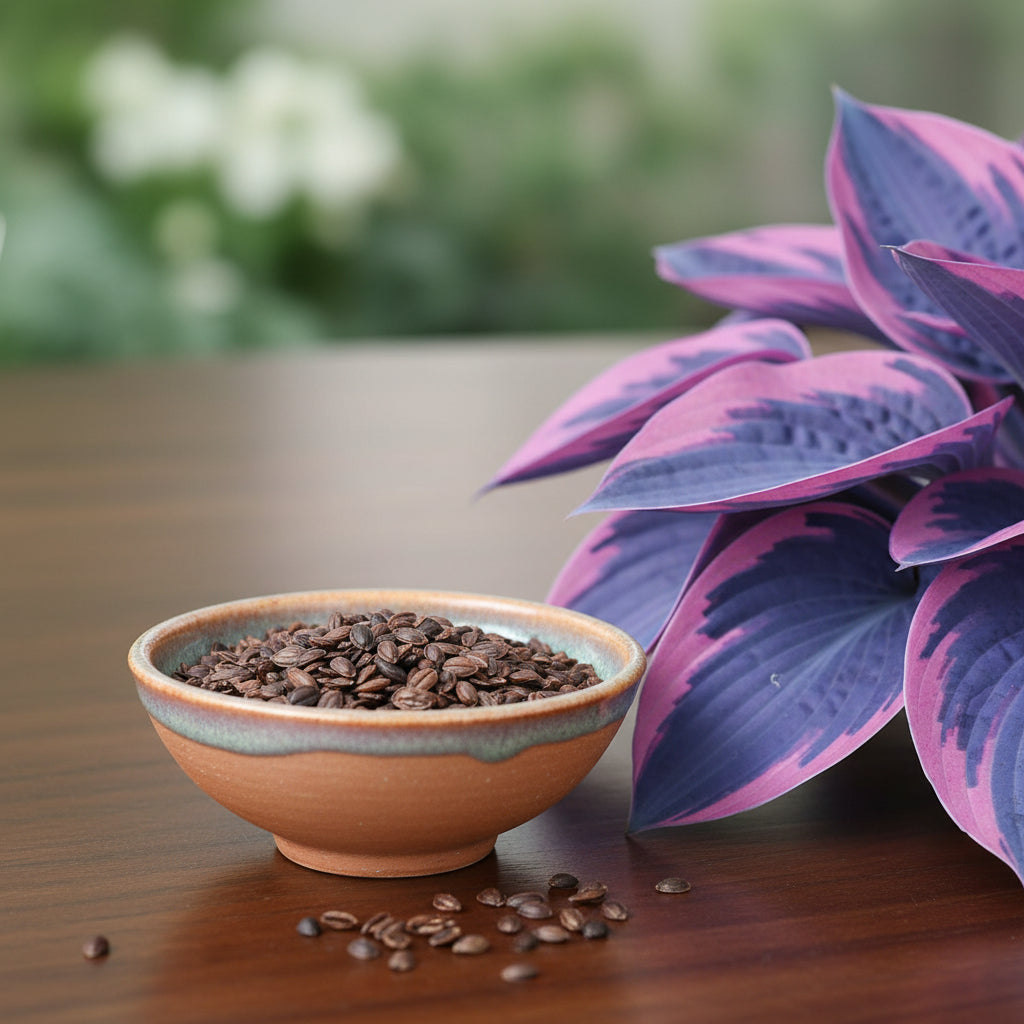
What helps maintain the blue-purple tone of Hosta foliage?
What helps maintain the blue-purple tone of Hosta foliage?
The page recommends shade or dappled light. Too much direct sun can fade cool-tone foliage and may scorch the leaves.
How does a seed-grown Hosta change as it matures?
How does a seed-grown Hosta change as it matures?
Young plants gradually develop fuller foliage and clumps. The page notes that seed-grown Hostas may take about 2–3 years to mature.
Can Blue Purple Hosta work beneath taller garden plants?
Can Blue Purple Hosta work beneath taller garden plants?
Yes. A shaded understory position can suit Hosta, especially where taller plants provide filtered or dappled light rather than intense afternoon sun.
What makes a container suitable for this Hosta?
What makes a container suitable for this Hosta?
Use a roomy container with good drainage and enough growing medium to maintain even moisture. Container plants may need more frequent watering.
Why should Hosta seeds not be deeply buried?
Why should Hosta seeds not be deeply buried?
The page recommends surface sowing or light pressing because Hosta seeds need light exposure for germination.
How can hot weather affect blue-toned Hosta foliage?
How can hot weather affect blue-toned Hosta foliage?
Strong heat and direct afternoon sun can increase stress and cause foliage scorching, so a cooler shaded position is preferable.