



LIFE CYCLE
Perennial

PLANT CHARACTERISTICS
Variegated / Foliage

GROWTH HABIT
Clumping / Upright

BLOOM SEASON
Summer

FLAVOUR PROFILE
Ornamental / Shade Garden

SUITABLE FOR
Outdoor

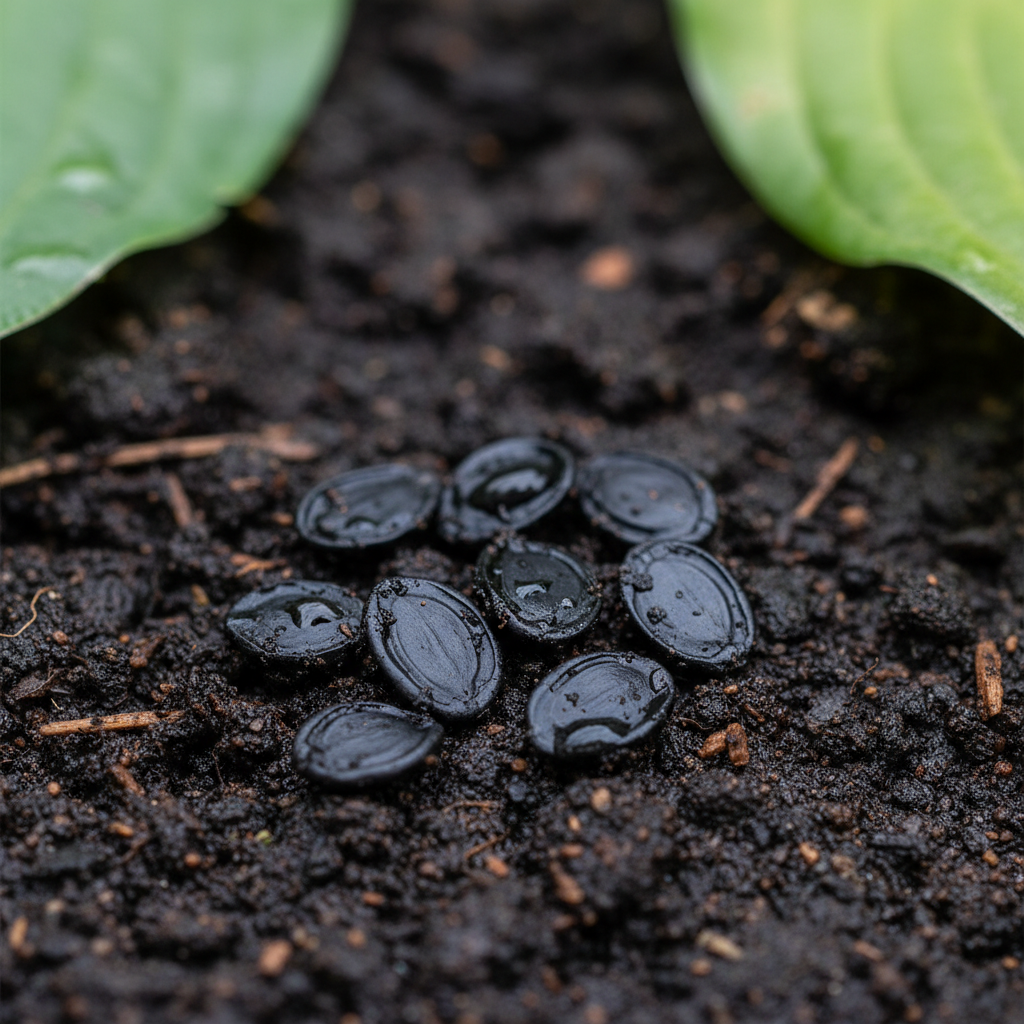
SEED TYPE
Non-GMO

PLANT TYPE
Perennial Foliage Plant

PLANTING SEASON
Spring / Early Summer

FRUIT SIZE
N/A

PLANT HEIGHT
12–24 inches

LIGHT REQUIREMENT
Partial to Full Shade

WATER NEEDS
Moderate

HARDINESS ZONES
3–9

CONTAINER GARDEN
Yes

PLANT SPACING
18–36 inches

PLANTING DEPTH
0.3–0.5 cm

GROWING CONDITIONS
Moist
Frequently Asked Questions
Why are hosta leaves often the main garden feature?
Why are hosta leaves often the main garden feature?
Hosta is primarily valued for its foliage. The broad, multi-toned leaves can provide visual texture and contrast even when the plant is not in bloom.
Can this hosta create layered texture with other shade plants?
Can this hosta create layered texture with other shade plants?
Yes. Its upright, clumping form can be combined with ferns and other shade-tolerant plants to create contrasting foliage heights and textures.
What role do the white and yellow leaf margins play in design?
What role do the white and yellow leaf margins play in design?
The lighter margins contrast with the blue-green leaf centers, helping the foliage stand out in shaded planting areas.
Will hosta foliage remain the same size as seedlings mature?
Will hosta foliage remain the same size as seedlings mature?
No. Plants develop progressively as they establish. The listed mature height is 12–24 inches, while individual leaf size can vary with growing conditions.
Why is mulch useful around a hosta planting?
Why is mulch useful around a hosta planting?
Mulch helps conserve moisture and reduce weeds around the root area, supporting the moist growing conditions recommended for this hosta.
How can damaged hosta leaves be managed during the growing season?
How can damaged hosta leaves be managed during the growing season?
Dead or damaged leaves can be removed to keep the planting tidy and direct attention toward healthy foliage.