


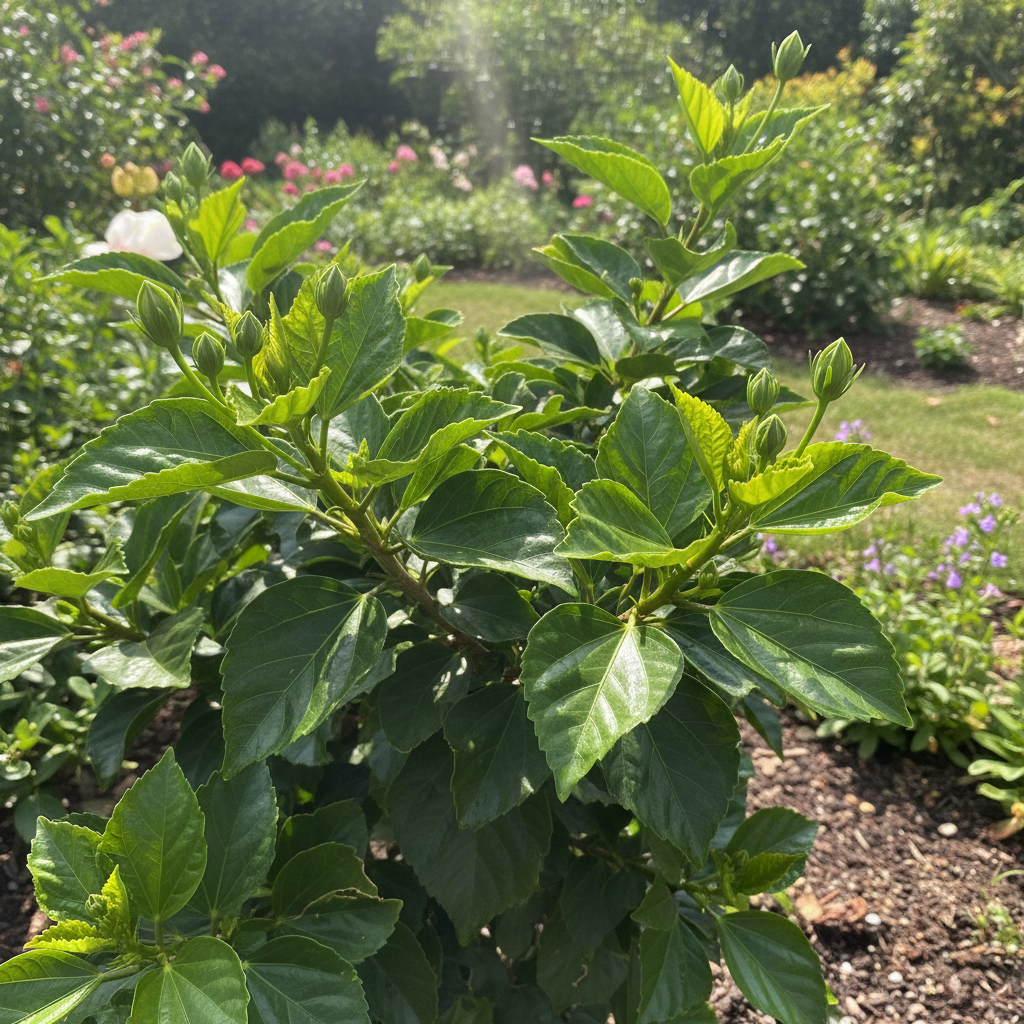

Life Cycle
Perennial

Growth Habit
Bushy

Plant Characteristics
Extra-large blooms

Bloom Season
Summer to Fall

Flavour Profile
Ornamental

Suitable for
Outdoor

Planting Season
Summer

Fruit Size
N/A

Plant Height
1.2–2 meters

Water Needs
Moderate

Hardiness Zones
USDA Zones 9–11

Container Garden
Yes

Plant Spacing
60–90 cm

Planting Depth
0.5–1 cm

Growing Conditions
Well-drained soil

Light Requirement
Full Sun
Frequently Asked Questions
What makes Dinner Plate hibiscus different from standard hibiscus?
What makes Dinner Plate hibiscus different from standard hibiscus?
It is known for producing exceptionally large flowers that create a bold landscape display.
Can this hibiscus be used as a specimen plant?
Can this hibiscus be used as a specimen plant?
Yes. Its large blooms make it suitable as a focal point in borders and garden beds.
Which plants pair well with Dinner Plate hibiscus?
Which plants pair well with Dinner Plate hibiscus?
Cannas, ornamental grasses, salvias, daylilies, and coneflowers complement its bold appearance.
Can large flowers benefit from sheltered planting?
Can large flowers benefit from sheltered planting?
Yes. A protected location helps preserve the appearance of oversized blooms during windy weather.
Does removing spent flowers keep the plant tidy?
Does removing spent flowers keep the plant tidy?
Yes. Deadheading faded blooms helps maintain a neat ornamental display.
Do hibiscus flowers attract pollinators?
Do hibiscus flowers attract pollinators?
The blooms may attract bees, butterflies, and other beneficial pollinating insects.