


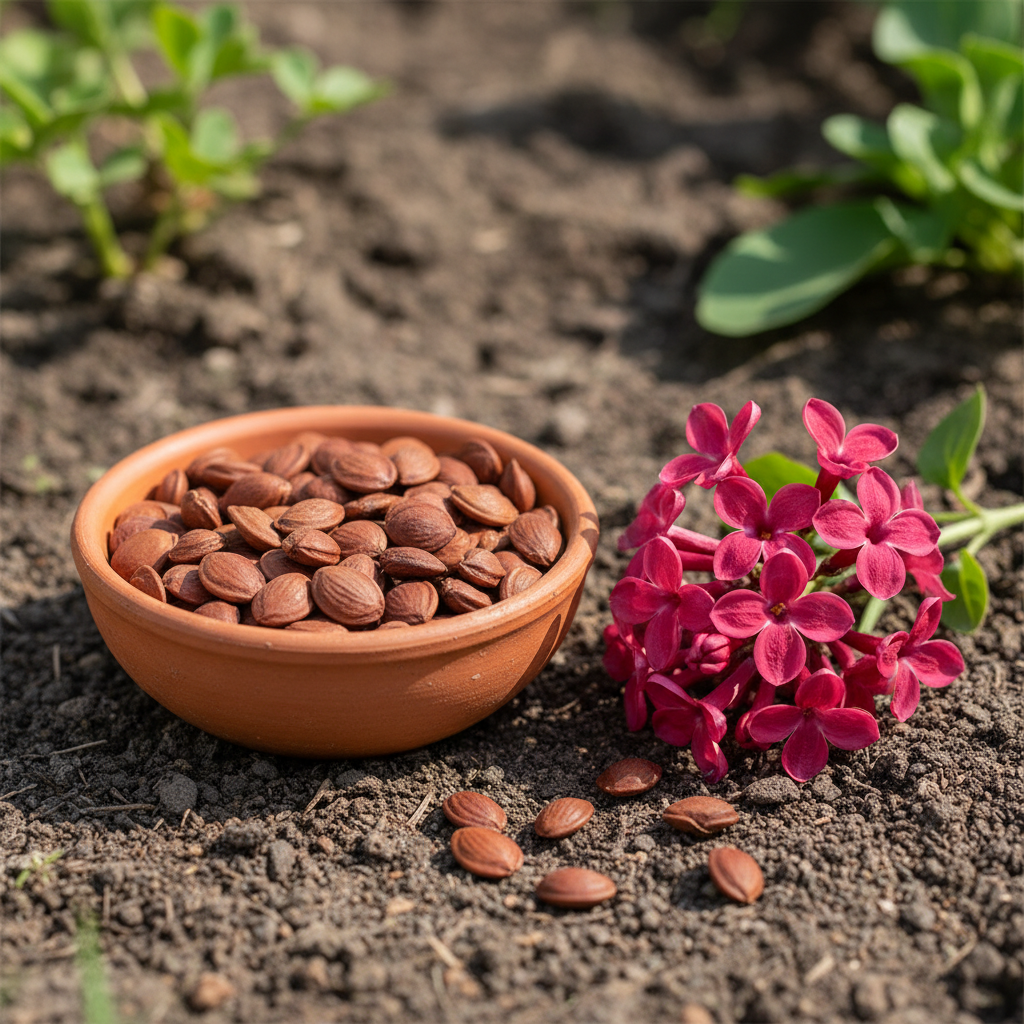

Life Cycle
Perennial

Plant Characteristics
Fragrant blooms

Growth Habit
Shrubby

Bloom Season
Spring Bloom

Flavour Profile
Ornamental

Suitable for
Outdoor

Planting Season
Autumn

Fruit Size
Fruit Size

Plant Height
6–10 feet

Light Requirement
Full Sun

Water Needs
Moderate

Hardiness Zones
USDA Zones 3–7

Container Garden
No

Plant Spacing
5–8 feet

Planting Depth
½ inch

Growing Conditions
Well-drained soil
Frequently Asked Questions
What makes red lilacs different from lighter lilac varieties?
What makes red lilacs different from lighter lilac varieties?
Rich red flower clusters provide bold spring color while maintaining the classic lilac form and fragrance.
Can red lilacs be used as flowering hedges?
Can red lilacs be used as flowering hedges?
Yes. Shrubs can be planted in rows to create colorful seasonal screens and garden boundaries.
Which shrubs pair well with red lilacs?
Which shrubs pair well with red lilacs?
Viburnums, mock orange, peonies, and flowering quince create attractive spring landscapes.
Does the shrub remain attractive after flowering?
Does the shrub remain attractive after flowering?
Yes. Healthy foliage continues providing structure and greenery throughout the growing season.
Can it become a specimen shrub?
Can it become a specimen shrub?
Yes. Mature plants create impressive focal points in lawns and mixed ornamental borders.
Do butterflies and bees visit the flowers?
Do butterflies and bees visit the flowers?
The fragrant blooms may attract butterflies, bees, and other beneficial pollinating insects.