



LIFE CYCLE
Perennial

PLANT CHARACTERISTICS
Deciduous

GROWTH HABIT
spreading

BLOOM SEASON
Summer

SUITABLE FOR
out door

FLAVOUR PROFILE
Sweet

PLANTING SEASON
Spring

FRUIT SIZE
Small

PLANT HEIGHT
15–30 ft

LIGHT REQUIREMENT
Full Sun

WATER NEEDS
Moderate

HARDINESS ZONES
4–9

CONTAINER GARDEN
Not typical

PLANT SPACING
25–35 ft

PLANTING DEPTH
¼ inch

GROWING CONDITIONS
Well-drained
Frequently Asked Questions
Can Red Mulberry grow into a large landscape tree?
Can Red Mulberry grow into a large landscape tree?
Yes. Red Mulberry develops into a broad, medium to large tree that provides shade as well as seasonal ornamental interest.
Do the berries ripen over an extended period?
Do the berries ripen over an extended period?
Yes. The fruits usually ripen gradually, allowing multiple harvests instead of all maturing at the same time.
Can Red Mulberry support local wildlife?
Can Red Mulberry support local wildlife?
Yes. Its flowers and fruit attract birds and other wildlife, making it a valuable addition to biodiversity-friendly landscapes.
Will Red Mulberry develop attractive fall foliage?
Will Red Mulberry develop attractive fall foliage?
Yes. The leaves often turn shades of yellow before dropping in autumn, adding seasonal interest to the garden.
Can the fruit be used in homemade recipes?
Can the fruit be used in homemade recipes?
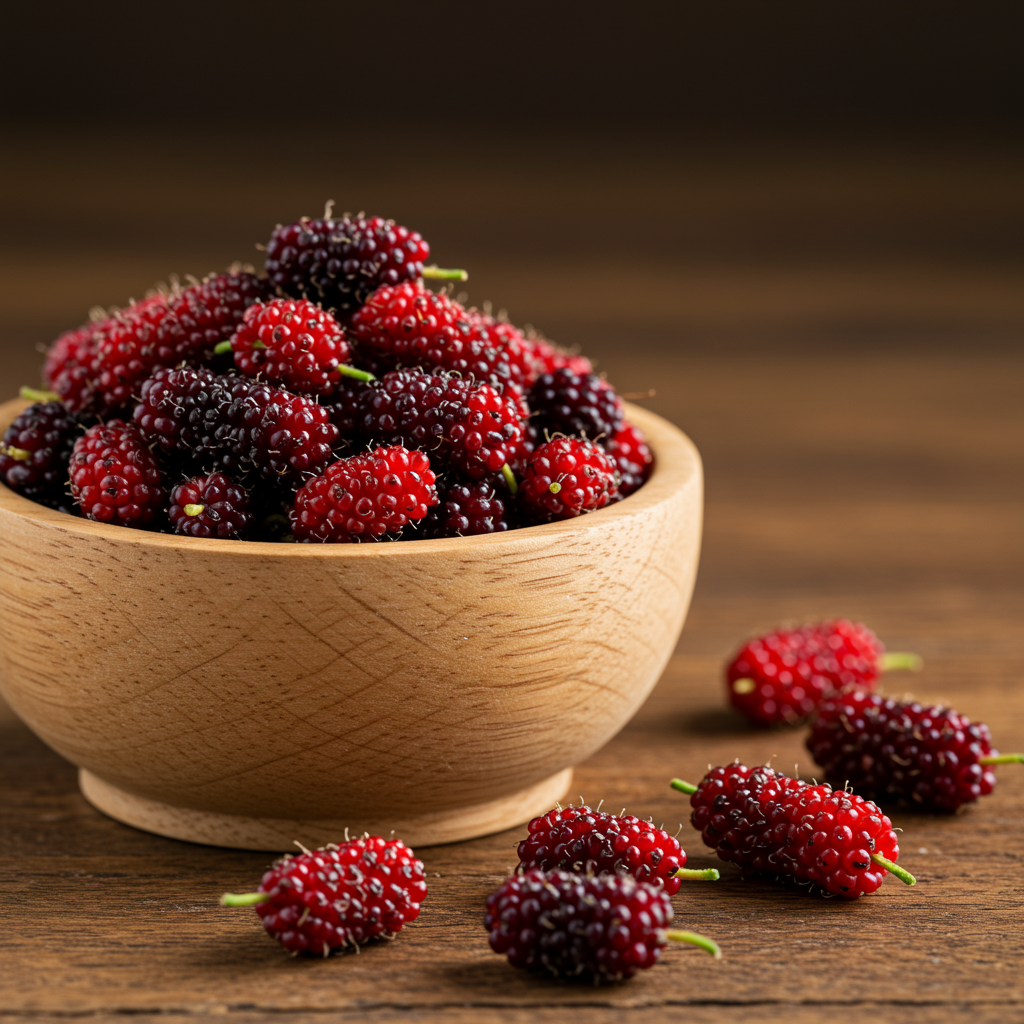
Yes. Ripe red mulberries can be enjoyed fresh or used in jams, pies, syrups, smoothies, and other homemade recipes.
How is Red Mulberry different from White Mulberry?
How is Red Mulberry different from White Mulberry?
Red Mulberry (Morus rubra) is native to North America and typically produces larger, richer-flavored fruit, while White Mulberry (Morus alba) is known for its wider adaptability and variable fruit color.