



LIFE CYCLE
Perennial

PLANT CHARACTERISTICS
Deciduous

GROWTH HABIT
Upright

BLOOM SEASON
Spring

FLAVOUR PROFILE
Sweet

SUITABLE FOR
out door

PLANTING SEASON
Late Winter to Spring

FRUIT SIZE
Medium

PLANT HEIGHT
3–5 m

LIGHT REQUIREMENT
full sun

WATER NEEDS
Moderate

HARDINESS ZONES
USDA 6–9

CONTAINER GARDEN
Yes

PLANT SPACING
3–4 m

PLANTING DEPTH
2–3 cm

GROWING CONDITIONS
Cool winters
Frequently Asked Questions
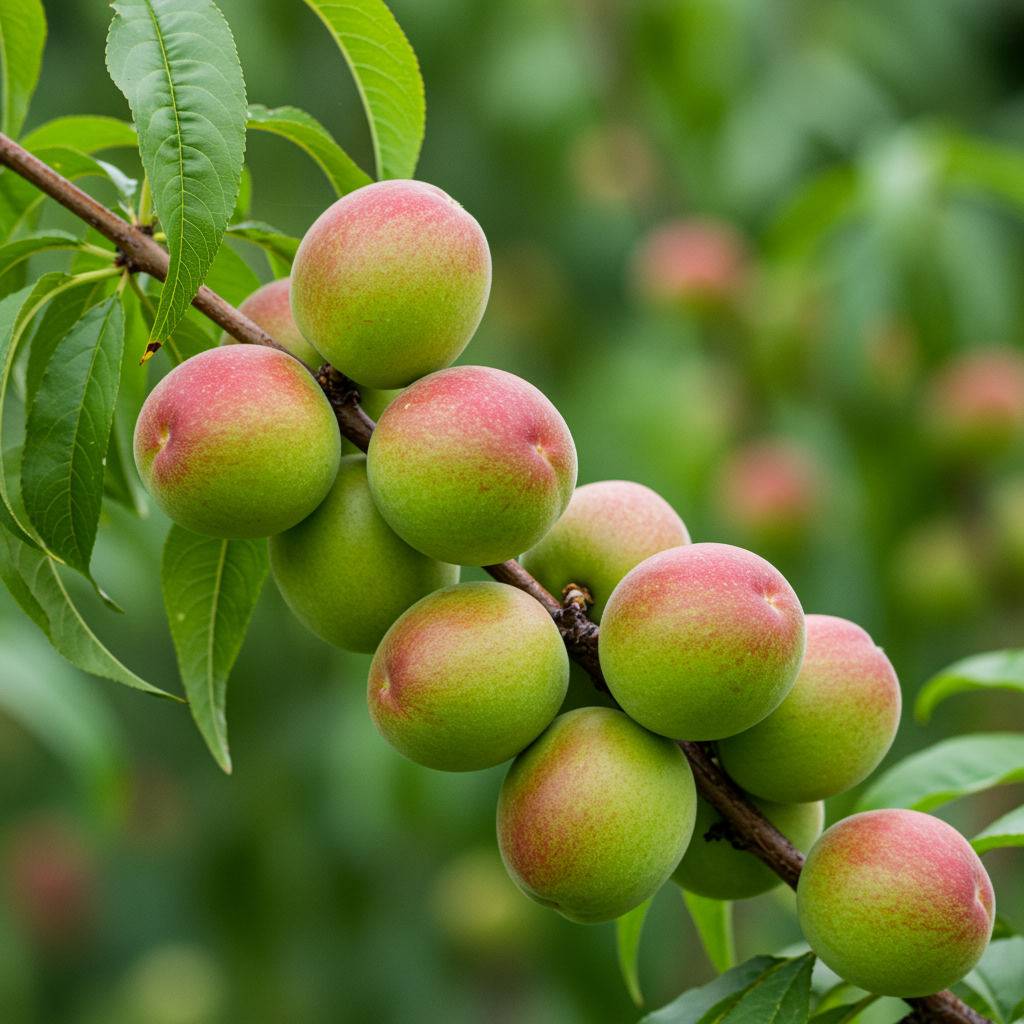
Can Red Nectarine produce fragrant spring blossoms followed by colorful fruits?
Can Red Nectarine produce fragrant spring blossoms followed by colorful fruits?
Yes. Red Nectarine is admired for its beautiful pink spring blossoms and productive harvest of smooth-skinned, colorful fruits under suitable growing conditions.
Do the flowers attract bees and other beneficial pollinators?
Do the flowers attract bees and other beneficial pollinators?
Yes. The fragrant blossoms provide nectar and attract bees and other beneficial pollinating insects, supporting healthy pollination and fruit development.
Can Red Nectarine be grown as an orchard or landscape tree?
Can Red Nectarine be grown as an orchard or landscape tree?
Yes. It performs well in orchards, edible landscapes, and spacious home gardens with fertile, well-drained soil and full sun.
Will annual pruning help maintain a healthy and productive tree?
Will annual pruning help maintain a healthy and productive tree?
Yes. Light annual pruning improves air circulation, maintains a balanced canopy, and encourages vigorous growth and consistent fruit production.
Can the ripe fruits be enjoyed fresh or used in a variety of recipes?
Can the ripe fruits be enjoyed fresh or used in a variety of recipes?
Yes. The ripe fruits are excellent for fresh eating, fruit salads, baking, jams, desserts, smoothies, preserves, and many other homemade recipes.
How is Red Nectarine different from Peach?
How is Red Nectarine different from Peach?
Red Nectarine (Prunus persica var. nucipersica) produces smooth-skinned fruits with firm, juicy flesh, while Peach (Prunus persica) develops fruits with a soft, fuzzy skin and a similar sweet, aromatic flavor.