



Life Cycle
Annual

Plant Characteristics
Plant Characteristics

Growth Habit
Determinate

Bloom Season
Summer

Flavour Profile
swee

Suitable for
Outdoor

Seed Type
Open pollinated

Plant Type
Vegetable

Planting Season
Spring

Fruit Size
60–80 g

Plant Height
90–120 cm

Light Requirement
Full Sun

Water Needs
Moderate

Hardiness Zones
9–11

Container Garden
Yes

Plant Spacing
45–60 cm

Planting Depth
1 cm

Growing Conditions
well-drained
Frequently Asked Questions
Why are Roma VF tomatoes suited to sauces and cooking?
Why are Roma VF tomatoes suited to sauces and cooking?
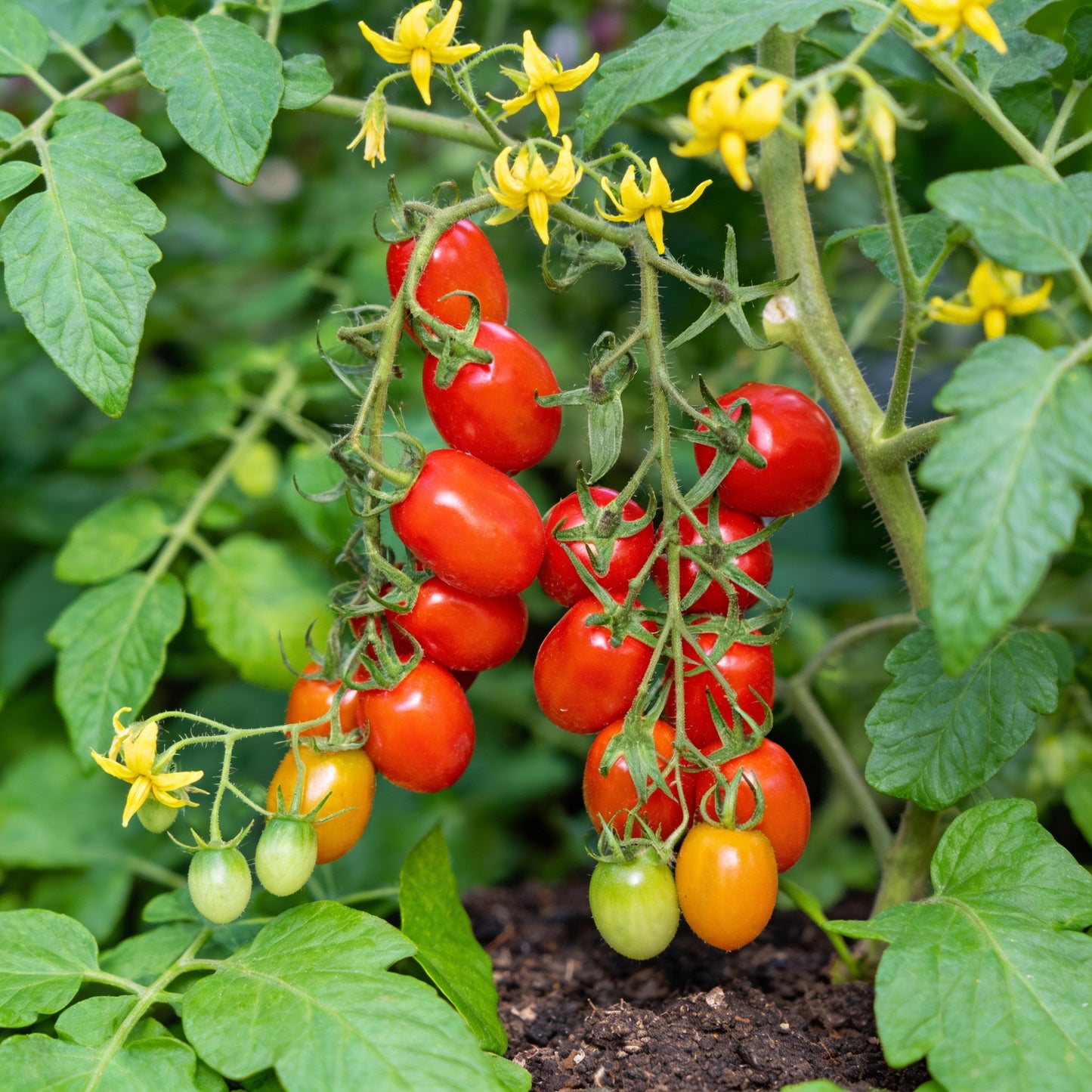
Roma-type tomatoes have elongated fruits with meaty flesh and relatively lower moisture, making them useful for sauces, pastes and cooked dishes.
What does VF mean in the Roma VF name?
What does VF mean in the Roma VF name?
VF refers to resistance to certain Verticillium and Fusarium wilt strains, traits commonly associated with this named tomato variety.
Should Roma VF tomatoes be staked?
Should Roma VF tomatoes be staked?
Support is useful because fruit-bearing branches can become heavy. A cage or stake helps keep plants upright and fruit off the soil.
Can Roma VF tomatoes be grown in pots?
Can Roma VF tomatoes be grown in pots?
Yes. Container growing is possible with a suitably large pot, fertile medium, good drainage and full sunlight.
How are Roma VF fruits different from slicing tomatoes?
How are Roma VF fruits different from slicing tomatoes?
Roma VF fruits are generally more elongated and meaty, making them particularly suitable for cooking, sauces and paste-style preparations.
When should Roma VF tomatoes be picked?
When should Roma VF tomatoes be picked?
Harvest when fruits have developed their characteristic mature color and feel firm but not excessively hard. Handle them carefully to avoid bruising.