


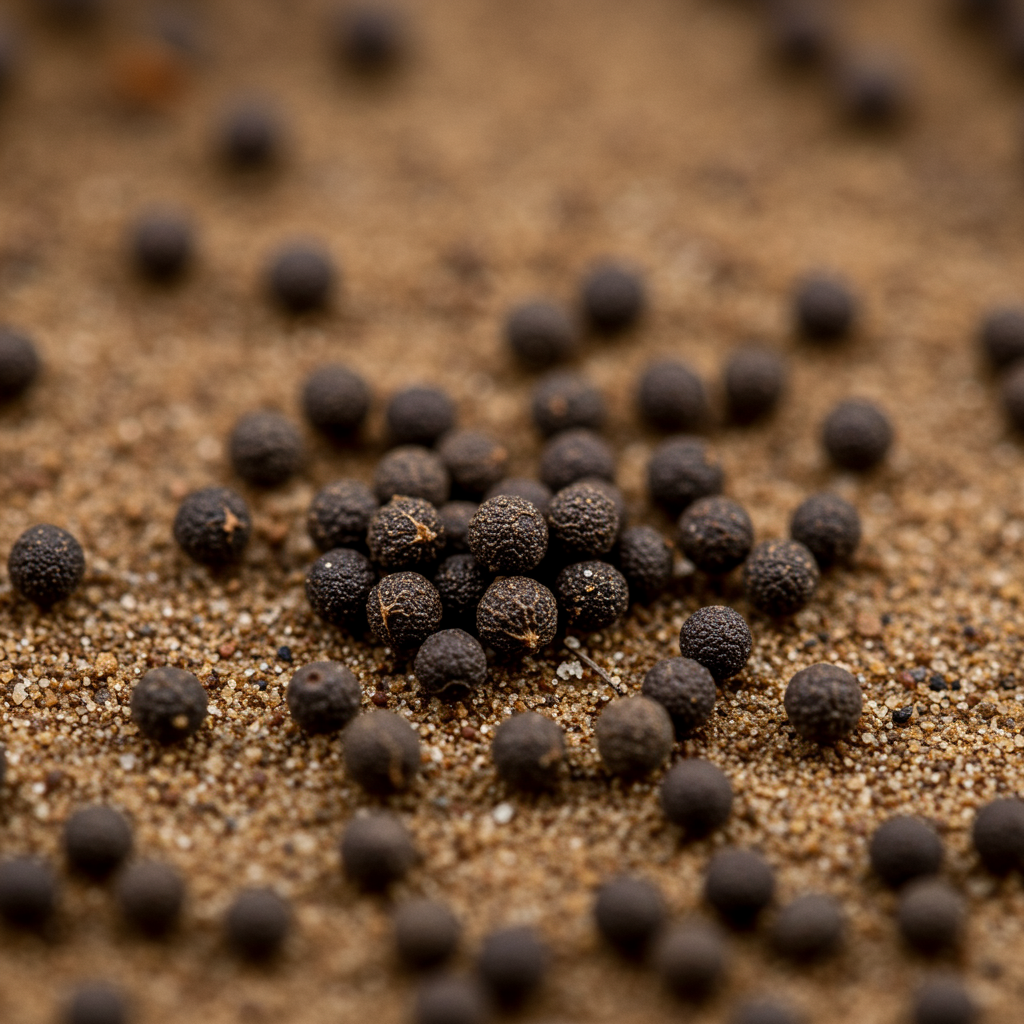

LIFE CYCLE
Perennial bulbous flower seed

PLANT CHARACTERISTICS
compact growth

GROWTH HABIT
Low-growing

BLOOM SEASON
Early Spring to Spring

FLAVOUR PROFILE
Ornamental

SUITABLE FOR
Outdoor

SEED TYPE
Flower seeds

PLANT TYPE
Corm / bulbous perennial

PLANTING SEASON
Spring, Autumn

FRUIT SIZE
Not Applicable

PLANT HEIGHT
10–20 cm

LIGHT REQUIREMENT
Full Sun to Partial Shade

WATER NEEDS
Moderate

HARDINESS ZONES
USDA ~7–10

CONTAINER GARDEN
Yes

PLANT SPACING
5–10 cm

PLANTING DEPTH
Surface or very shallow coverage

GROWING CONDITIONS
Well-drained sandy or loamy soil with sunlight
Frequently Asked Questions
What makes Romulea macowanii suitable for alpine displays?
What makes Romulea macowanii suitable for alpine displays?
Its compact size and delicate blooms fit naturally into rock gardens, alpine beds, and gravel landscapes with excellent drainage.
Can it be planted in crevice gardens?
Can it be planted in crevice gardens?
Yes. Narrow planting pockets between rocks provide an attractive setting while supporting healthy growth.
Which alpine plants pair well with Romulea macowanii?
Which alpine plants pair well with Romulea macowanii?
Saxifrages, dwarf iris, aubrieta, and creeping thyme create colorful alpine combinations.
Does it create a natural look among stones?
Does it create a natural look among stones?
Yes. Small flowering plants blend seamlessly into rocky landscapes and alpine-style gardens.
Can it be grown in shallow alpine troughs?
Can it be grown in shallow alpine troughs?
Yes. Trough gardens showcase its compact growth and seasonal blooms in limited spaces.
Do spring pollinators visit the flowers?
Do spring pollinators visit the flowers?
The blooms may attract bees and other beneficial pollinating insects during flowering.