Skip to product information
1 of 3

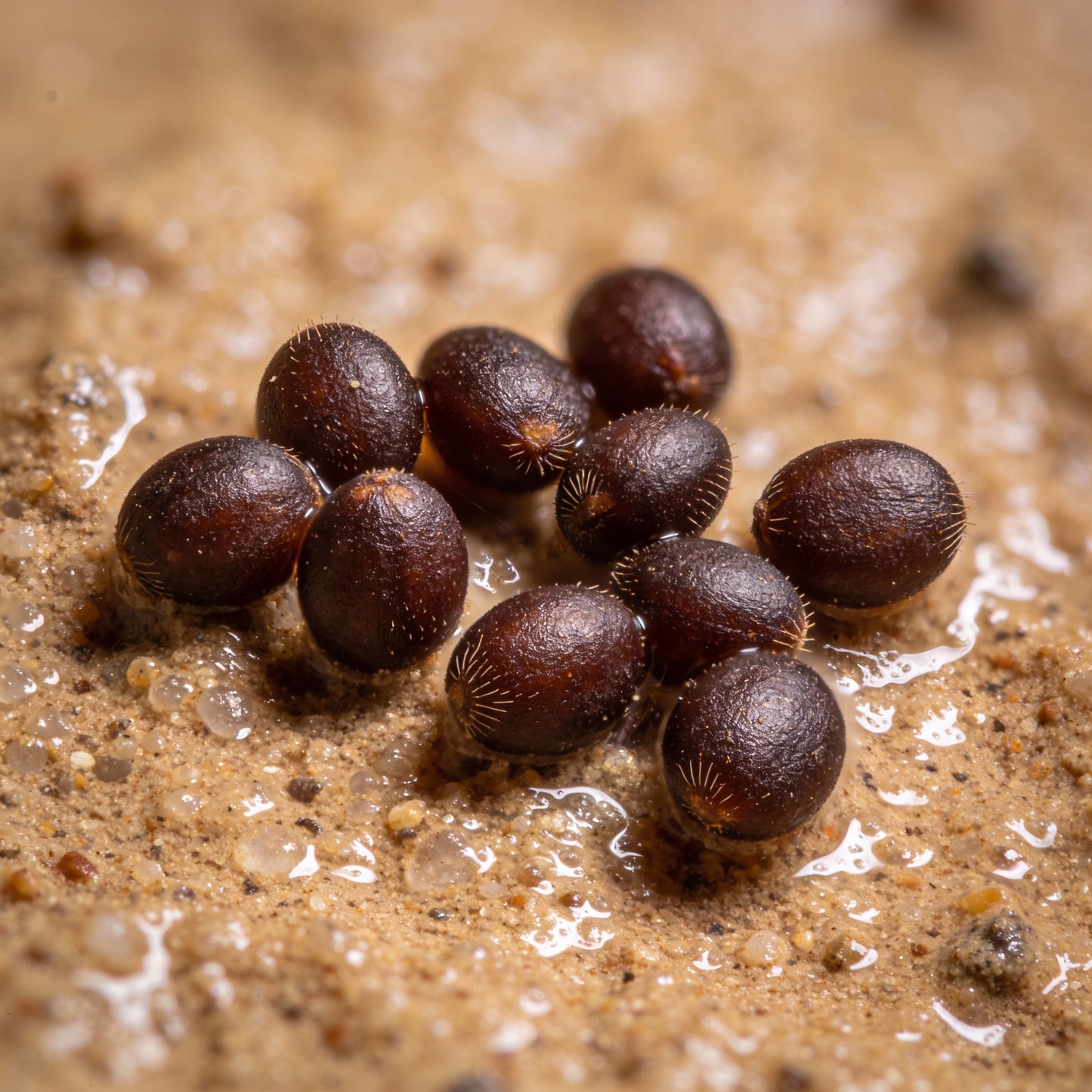
Romulea Obscura Subtestacea Flower Seeds for Garden Planting

Romulea Obscura Subtestacea Flower Seeds for Garden Planting

Regular price $16.59 USD
Regular price Sale price $16.59 USD
Sale Sold out
Quantity

How to Sow and Plant

Sowing: Sow seeds on the surface of a well-drained seed mix in early spring or autumn. Lightly press seeds into soil; do not cover deeply as they need light to germinate

Seed Preparation: Soak seeds in warm water for about 24 hours before sowing to soften the seed coat and improve germination.

Germination: Maintain soil at ~15–20 °C with consistent moisture (not waterlogged). Seeds typically sprout in 2–4 weeks.

How to Grow


Plant in full sun in well-drained sandy or loamy soil. Water regularly, allowing soil to dry slightly between waterings to prevent root rot. Deadhead spent flowers to encourage continued blooming and maintain appearance. In frost-prone areas, mulch lightly or move containers indoors to protect bulbs.

Tips


Ideal for rock gardens, borders, and containers


Ensure excellent soil drainage to avoid bulb rot


Pre-soak seeds to help with germination

View full details
About
Product Information
Features
life-cycle

LIFE CYCLE

Perennial bulbous flower seed

plant-characteristics

PLANT CHARACTERISTICS

Compact

growth-habit

GROWTH HABIT

Clump-forming

bloom-season

BLOOM SEASON

Late Winter – Early Spring

flavour-profile

FLAVOUR PROFILE

Ornamental / Decorative

suitable-for

SUITABLE FOR

Outdoor

About
Romulea Obscura Subtestacea Flower Seeds for Garden Planting
seed-type

SEED TYPE

Flower seeds

plant-type

PLANT TYPE

Corm / Bulbous perennial

Romulea Obscura Subtestacea is a rare and charming perennial bulb plant in the iris family (Iridaceae). It produces slender leaves and elegant, crocus-like flowers in deep rosy to old-rose tones, often with small subtle blotches at the center. These delicate blooms appear in late winter to early spring and perform best in well-drained sandy or loamy soil with full sun exposure. Excellent for ornamental gardening and adding early color to rock gardens, borders, and containers.

Planting information
planting-season

PLANTING SEASON

Spring, Autumn

fruit-size

FRUIT SIZE

Not Applicable

plant-height

PLANT HEIGHT

10–15 cm (4–6 in)

light-requirement

LIGHT REQUIREMENT

Full Sun

water-needs

WATER NEEDS

Moderate

hardiness-zones

HARDINESS ZONES

USDA Zones 7–10

container-garden

CONTAINER GARDEN

Yes

plant-spacing

PLANT SPACING

5–10 cm (2–4 in)

planting-depth

PLANTING DEPTH

Surface sow or very shallow

growing-conditions

GROWING CONDITIONS

Well-drained sandy

Coverage
Seed Count
Recommended Coverage
SEED COUNT
100
GTIN
036000139099

Frequently Asked Questions

What makes this Romulea different from larger bulb flowers?

Its compact size and delicate blooms make it especially suitable for alpine gardens and small rockeries.

Can it be planted among gravel pathways?

Yes. Well-drained gravel gardens provide an attractive setting for its seasonal flowers.

Which alpine plants complement this Romulea?

Crocus, dwarf iris, saxifrages, and aubrieta create attractive spring displays.

Does it fit miniature alpine collections?

Yes. Its compact habit makes it suitable for troughs, rock gardens, and small display beds.

Can groups create a stronger flowering effect?

Yes. Planting several together produces a more noticeable display than individual plants.

Do early-season pollinators visit the blooms?

The flowers may attract bees and other beneficial pollinating insects during the blooming period.