





Life Cycle
Annual

Plant Characteristics
Plant Characteristics

Growth Habit
Upright

Bloom Season
Late Summer–Autumn

Flavour Profile
Tangy

Suitable for
Outdoor

Seed Type
Open-pollinated

Plant Type
Edible

Planting Season
Spring–Summer

Fruit Size
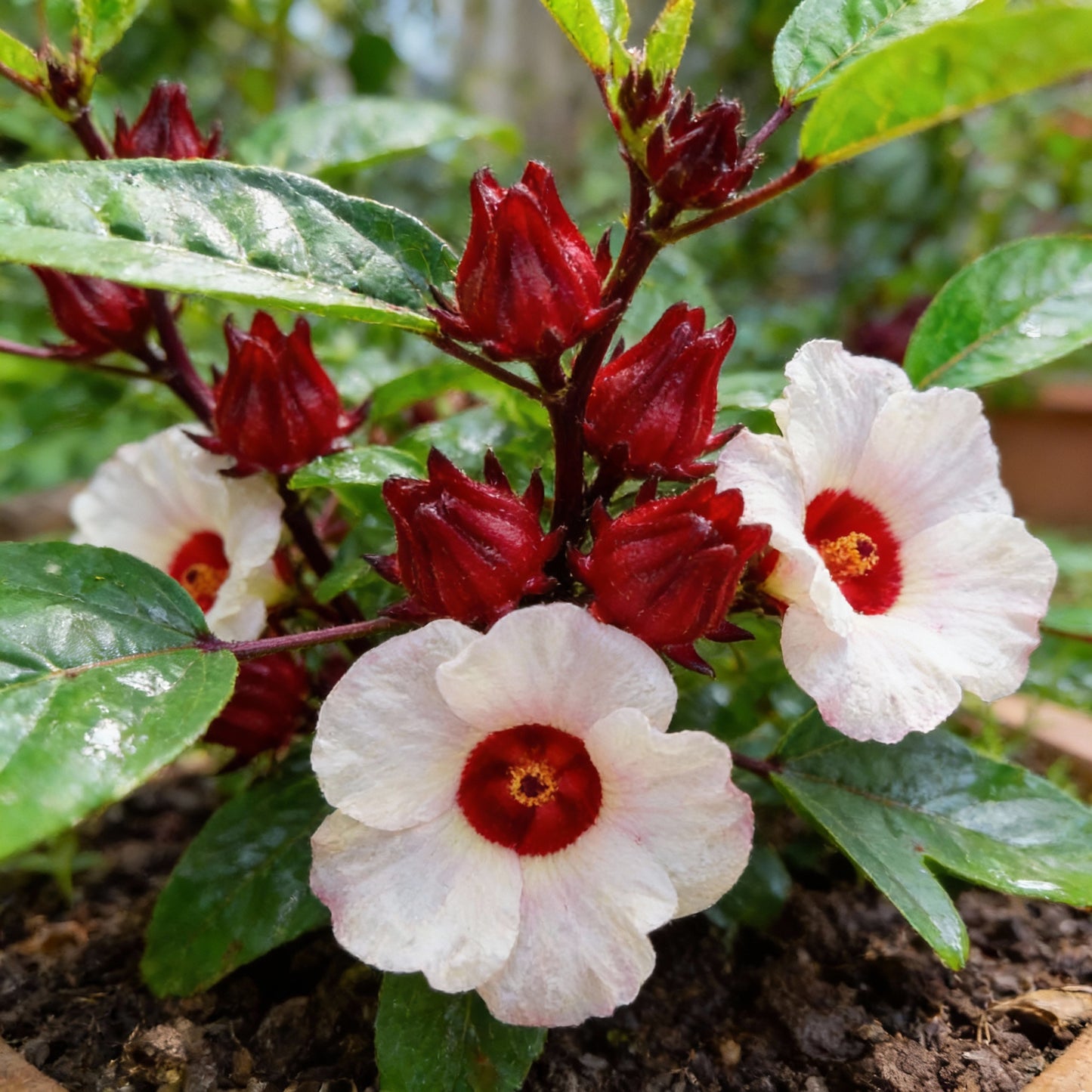
Medium calyces

Plant Height
1.5–2.5 m

Light Requirement
Full Sun

Water Needs
Moderate

Hardiness Zones
9–11

Container Garden
Yes

Plant Spacing
60–90 cm

Planting Depth
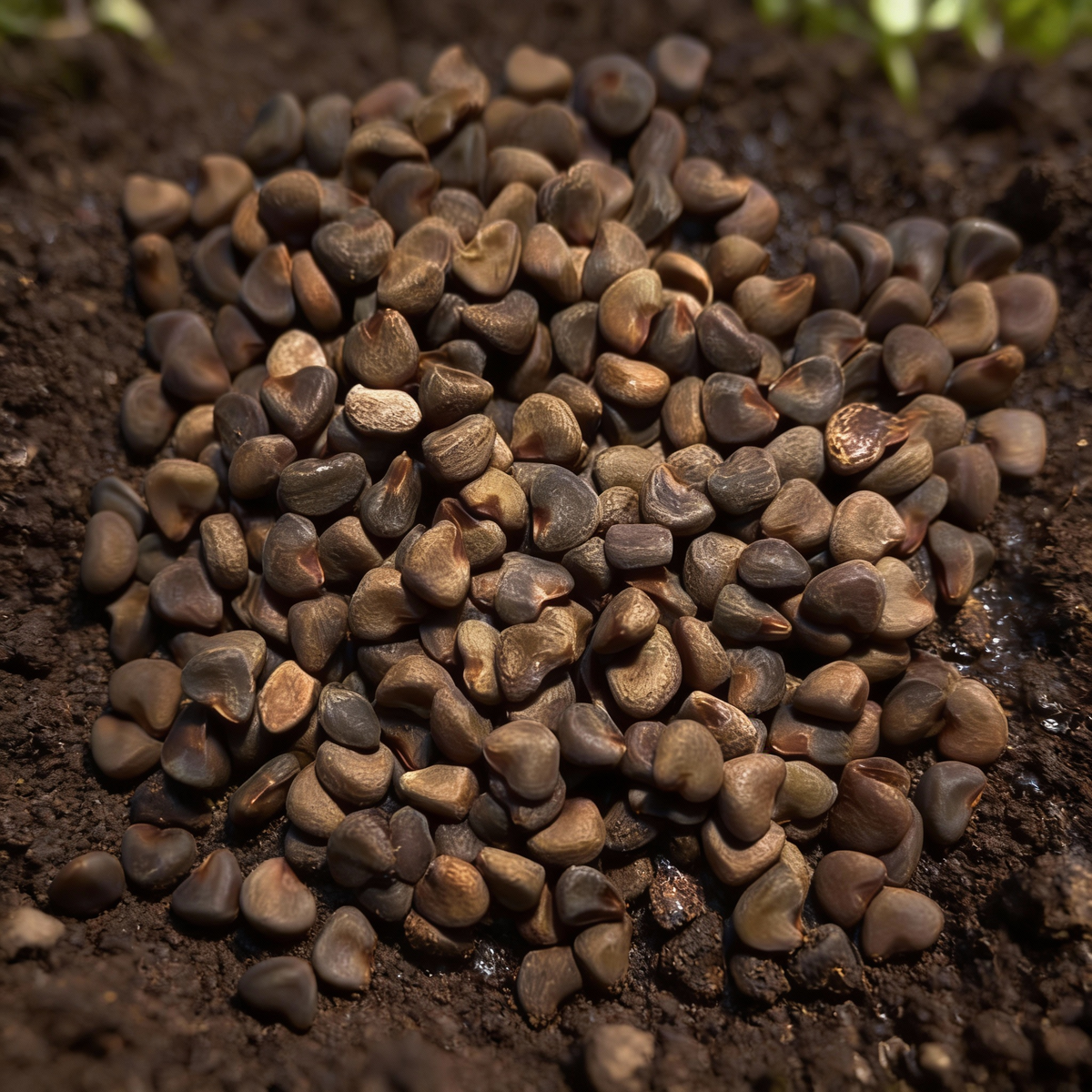
1–2 cm

Growing Conditions
Warm climate
Frequently Asked Questions
What part of Roselle is typically harvested?
What part of Roselle is typically harvested?
The fleshy calyces surrounding the seed pods are the main harvestable part and can be collected once fully developed.
How can Roselle calyces be prepared after harvesting?
How can Roselle calyces be prepared after harvesting?
Fresh calyces can be cleaned and used in culinary preparations or dried for later beverage preparation, depending on the intended use.
How do Roselle plants respond to shorter growing seasons?
How do Roselle plants respond to shorter growing seasons?
Roselle needs a long warm season, so gardeners in cooler areas may need to start seeds early and provide protection from cold temperatures.
When should Roselle calyces be picked for the best texture?
When should Roselle calyces be picked for the best texture?
Harvest the calyces when they are fully developed but before they become dry, following the timing guidance on the product page.
Can Roselle be grown as a container plant?
Can Roselle be grown as a container plant?
Yes, the product page lists container growing as suitable, provided the container offers enough space for a plant that can reach 1.5–2.5 m.
How does the upright growth habit affect Roselle planting?
How does the upright growth habit affect Roselle planting?
Its upright form allows plants to be arranged in rows or grouped plantings while maintaining the recommended 60–90 cm spacing.