


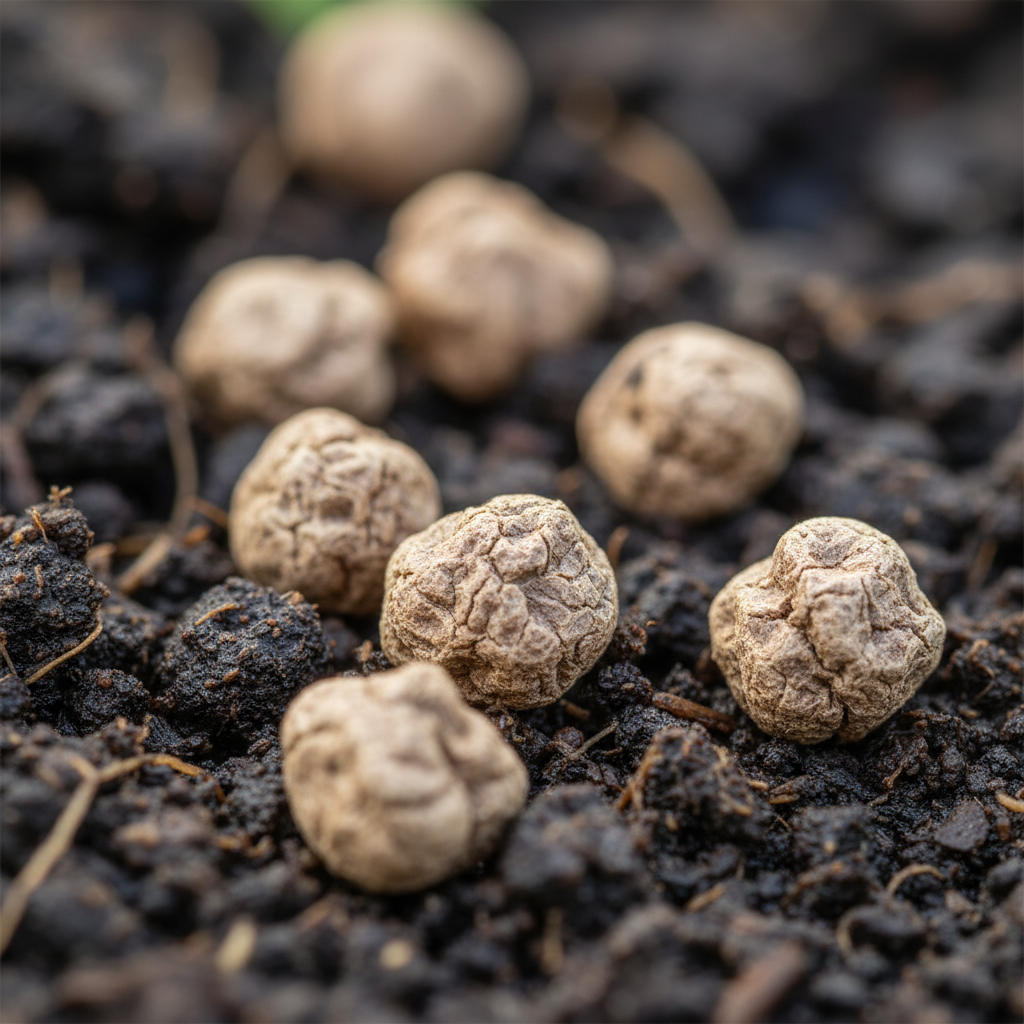

Life Cycle
Annual

Plant Characteristics
Bushy rosette with dark green

Growth Habit
Upright

Bloom Season
Warm season

Flavour Profile
Mild

Suitable for
Suitable for

Seed Type
Non-GMO

Plant Type
Vegetable

Planting Season
Spring / Early Summer

Fruit Size
Leafy Rosette

Plant Height
12–24 in

Light Requirement
Full Sun to Partial Shade

Water Needs
Moderate

Hardiness Zones
3–10

Container Garden
Yes

Plant Spacing
12–18 in

Planting Depth
0.25 in

Growing Conditions
Warm & Moist
Frequently Asked Questions
What makes Ruby Red Silverbeet a popular leafy vegetable?
What makes Ruby Red Silverbeet a popular leafy vegetable?
Ruby Red Silverbeet is appreciated for its vibrant ruby-red stems, glossy green leaves, and dependable harvests, making it both an attractive ornamental edible and a productive choice for home vegetable gardens.
Where can Ruby Red Silverbeet be grown?
Where can Ruby Red Silverbeet be grown?
It grows well in garden beds, raised beds, kitchen gardens, and containers with fertile, well-drained soil in a location that receives full sun to partial shade.
When is Ruby Red Silverbeet ready to harvest?
When is Ruby Red Silverbeet ready to harvest?
Young leaves may be harvested for tender greens, while mature leaves can be picked as they reach a suitable size. Regular harvesting helps maintain a continuous supply throughout the growing season.
How can Ruby Red Silverbeet be used in the kitchen?
How can Ruby Red Silverbeet be used in the kitchen?
The leaves and colorful stems are suitable for fresh salads when young, as well as steaming, sautéing, stir-fries, soups, casseroles, and a variety of cooked vegetable dishes.
Does regular harvesting encourage continued leaf production?
Does regular harvesting encourage continued leaf production?
Yes, harvesting the outer leaves while leaving the central growing point intact may encourage continued leaf production under suitable growing conditions.
Can Ruby Red Silverbeet be grown in containers?
Can Ruby Red Silverbeet be grown in containers?
Yes, it grows successfully in large containers with nutrient-rich, well-drained soil, regular watering, and adequate sunlight, making it suitable for patios, balconies, and other small-space gardens.