



LIFE CYCLE
Short-lived perennial

PLANT CHARACTERISTICS
upright growth habit

GROWTH HABIT
Upright, clump-forming stems

BLOOM SEASON
Summer – Fall

FLAVOUR PROFILE
Ornamental / Decorative

SUITABLE FOR
Outdoor

SEED TYPE
Open Pollinated Flower Seeds

PLANT TYPE
Herbaceous Flowering Plant

PLANTING SEASON
Spring

FRUIT SIZE
Not Applicable

PLANT HEIGHT
45–60 cm

LIGHT REQUIREMENT
Full Sun to Partial Shade

WATER NEEDS
Moderate

HARDINESS ZONES
USDA Zones ~5–9

CONTAINER GARDEN
Yes

PLANT SPACING
30–45 cm

PLANTING DEPTH
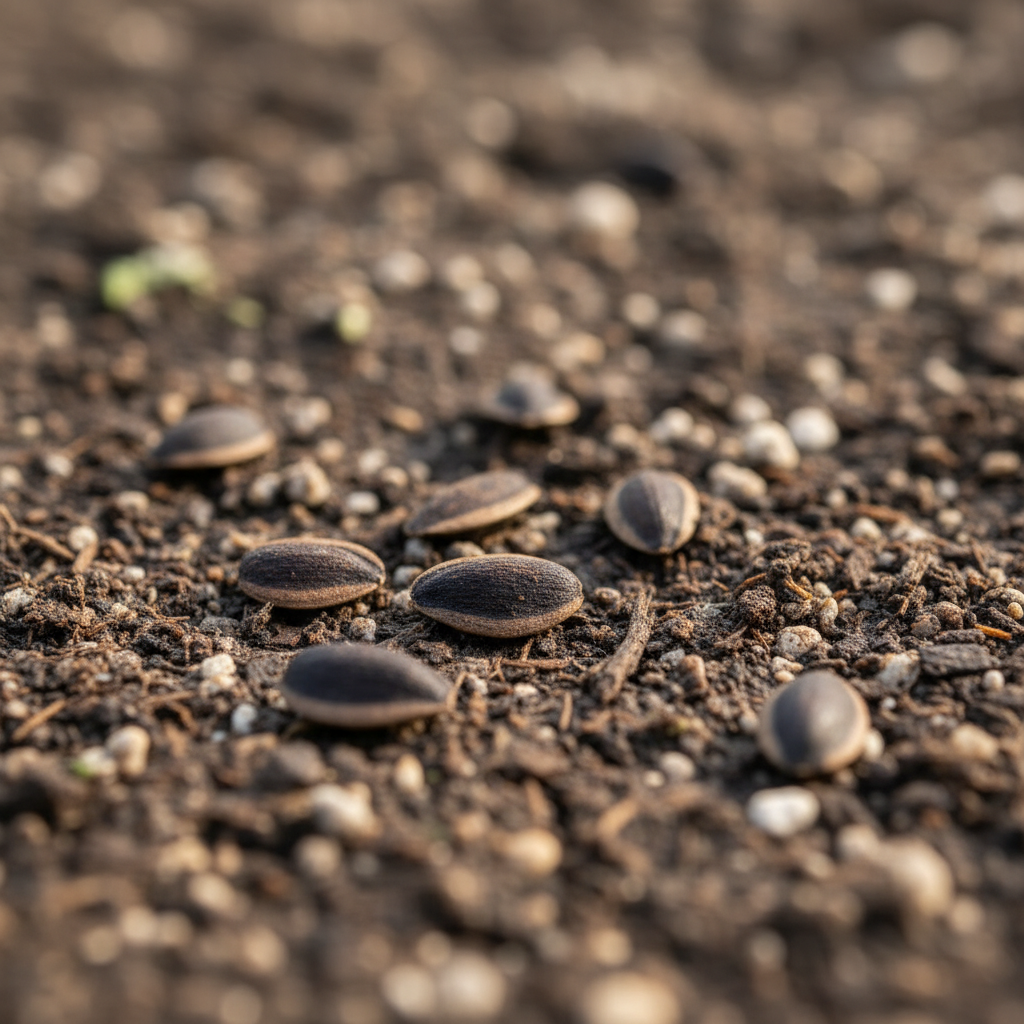
Surface sow/light press

GROWING CONDITIONS
Well-drained soil
Frequently Asked Questions
What makes Marmalade Rudbeckia different from other Black Eyed Susan varieties?
What makes Marmalade Rudbeckia different from other Black Eyed Susan varieties?
Its warm marmalade-orange blooms create a rich, vibrant display with dark contrasting centers.
Can Marmalade Rudbeckia be planted in naturalistic gardens?
Can Marmalade Rudbeckia be planted in naturalistic gardens?
Yes, it blends beautifully with ornamental grasses and meadow-style perennial plantings.
Will the flowers provide color into late summer and autumn?
Will the flowers provide color into late summer and autumn?
Yes, healthy plants bloom over an extended period, adding long-lasting seasonal interest.
Can Marmalade Rudbeckia be grown for fresh floral arrangements?
Can Marmalade Rudbeckia be grown for fresh floral arrangements?
Yes, the sturdy stems and colorful blooms make excellent cut flowers for bouquets.
Do butterflies, bees, and birds visit the flowers?
Do butterflies, bees, and birds visit the flowers?
Yes, the blooms may attract butterflies and bees, while mature seed heads may attract birds.
Does removing faded flowers encourage additional blooms?
Does removing faded flowers encourage additional blooms?
Yes, regular deadheading helps promote continued flowering throughout the growing season.