


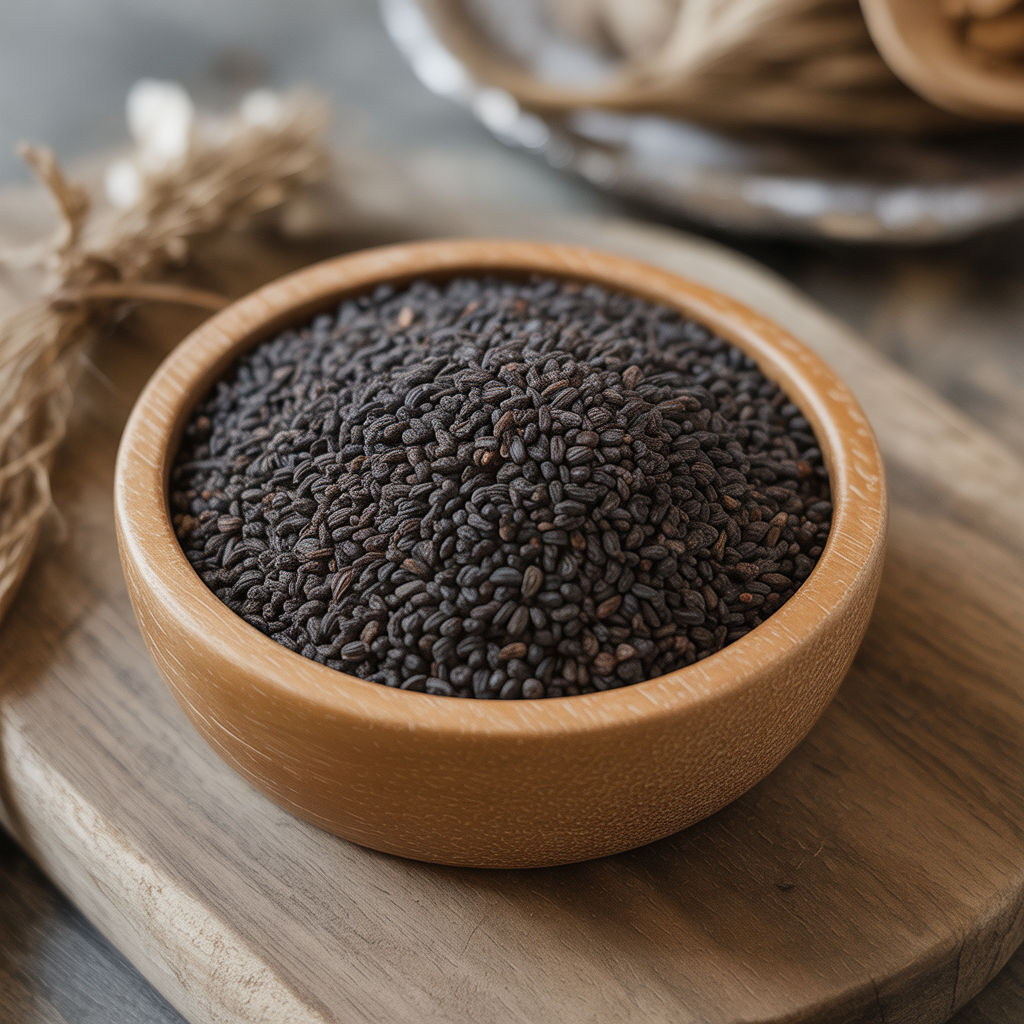

LIFE CYCLE
Perennial

PLANT CHARACTERISTICS
Hardy fruit

GROWTH HABIT
Fast-growing

BLOOM SEASON
spring

FLAVOUR PROFILE
Sweet

SUITABLE FOR
out door

PLANTING SEASON
Spring

FRUIT SIZE
Small to Medium

PLANT HEIGHT
30–50 ft

LIGHT REQUIREMENT
Full Sun

WATER NEEDS
Low

HARDINESS ZONES
4–9

CONTAINER GARDEN
Possible

PLANT SPACING
15–25 ft

PLANTING DEPTH
¼ inch

GROWING CONDITIONS
Well-drained
Frequently Asked Questions
Can Russian Mulberry grow into a shade tree for large gardens?
Can Russian Mulberry grow into a shade tree for large gardens?
Yes. It develops into a broad, spreading tree that provides generous seasonal shade in parks, orchards, and spacious home landscapes.
Do the fruits ripen over several weeks?
Do the fruits ripen over several weeks?
Yes. The berries typically mature gradually, allowing multiple harvests instead of all ripening at once.
Can Russian Mulberry be pruned to maintain a smaller size?
Can Russian Mulberry be pruned to maintain a smaller size?
Yes. Regular pruning helps control its size and shape, making it easier to manage in smaller growing spaces.
Will birds be attracted to the fruiting tree?
Will birds be attracted to the fruiting tree?
Yes. The ripe berries are attractive to many bird species, making the tree a valuable addition to wildlife-friendly gardens.
Are the ripe mulberries suitable for fresh eating and preserves?
Are the ripe mulberries suitable for fresh eating and preserves?
Yes. The sweet berries can be enjoyed fresh or used to prepare jams, jellies, desserts, and baked recipes.
How is Russian Mulberry different from black mulberry?
How is Russian Mulberry different from black mulberry?
Russian Mulberry (Morus alba) typically grows faster and produces lighter-colored, milder-flavored fruit than Black Mulberry (Morus nigra), which has darker, richer-tasting berries.