


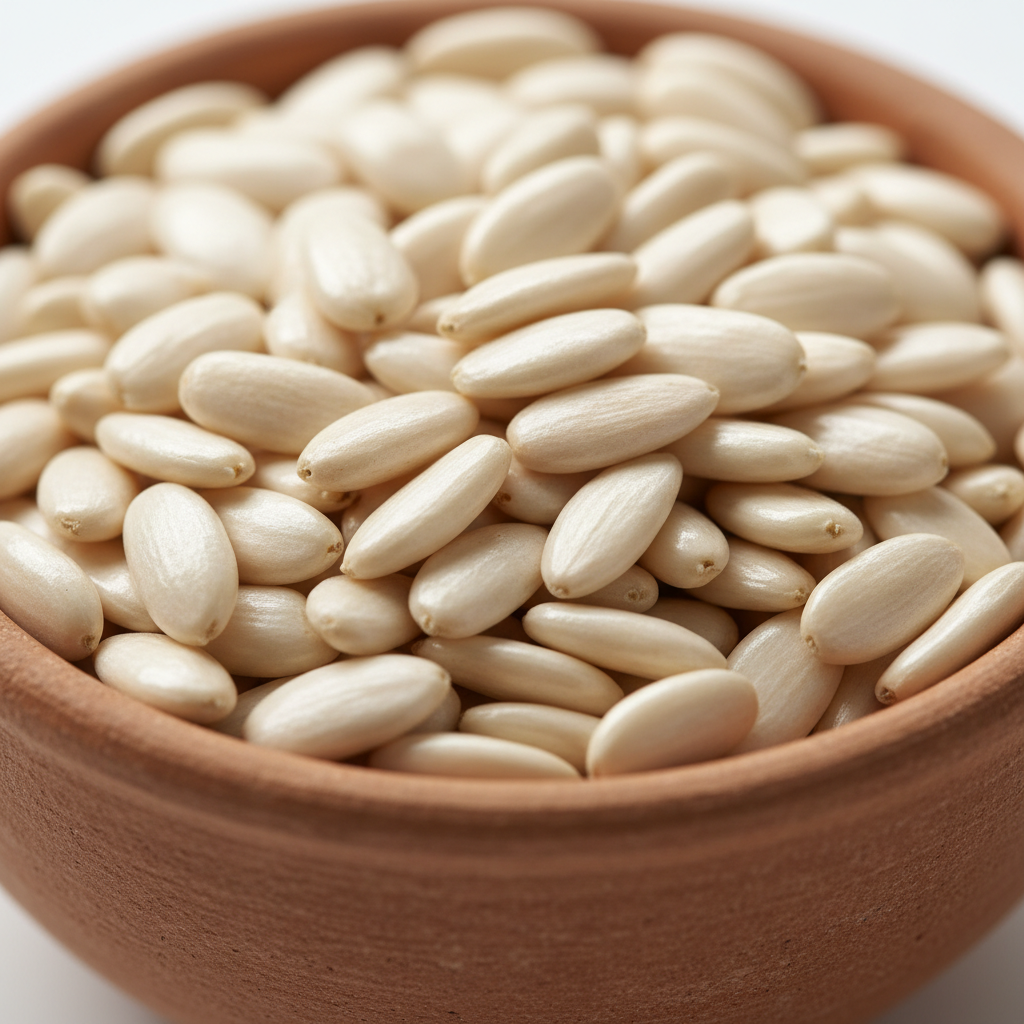

LIFE CYCLE
Annual

PLANT CHARACTERISTICS
drought-tolerant

GROWTH HABIT
Upright, branching

BLOOM SEASON
Summer to early autumn

FLAVOUR PROFILE
Ornamental use only

SUITABLE FOR
Outdoor

PLANTING SEASON
Spring to Summer

FRUIT SIZE
Not Applicable

PLANT HEIGHT
60–120 cm

LIGHT REQUIREMENT
Full Sun

WATER NEEDS
Low to Moderate

HARDINESS ZONES
7–11

CONTAINER GARDEN
Limited

PLANT SPACING
30–45 cm

PLANTING DEPTH
2–3 cm

GROWING CONDITIONS
Warm climate, well-drained soil, full sunlight
Frequently Asked Questions
Can Safflower produce vibrant blooms suitable for fresh and dried arrangements?
Can Safflower produce vibrant blooms suitable for fresh and dried arrangements?
Yes. The colorful flower heads are suitable for fresh bouquets and retain their appearance well in dried floral displays.
Do the flowers bloom on sturdy upright stems?
Do the flowers bloom on sturdy upright stems?
Yes. The plants develop strong, upright stems that hold the bright flower heads above the foliage.
Can Safflower be planted in drought-tolerant garden designs?
Can Safflower be planted in drought-tolerant garden designs?
Yes. Once established, it performs well in sunny locations and is suitable for water-wise landscapes.
Will the flowers attract bees and other pollinators?
Will the flowers attract bees and other pollinators?
Yes. The nectar-rich blooms attract bees, butterflies, and other beneficial pollinating insects during the flowering season.
Can Safflower be grown as an ornamental border plant?
Can Safflower be grown as an ornamental border plant?
Yes. Its upright habit and bright blooms make it a striking addition to mixed borders and cutting gardens.
How is Safflower different from marigold?
How is Safflower different from marigold?
Safflower ( Carthamus tinctorius ) produces thistle-like flower heads on upright plants, while marigolds ( Tagetes species) have rounded blooms and finely divided foliage with a different overall growth habit.