


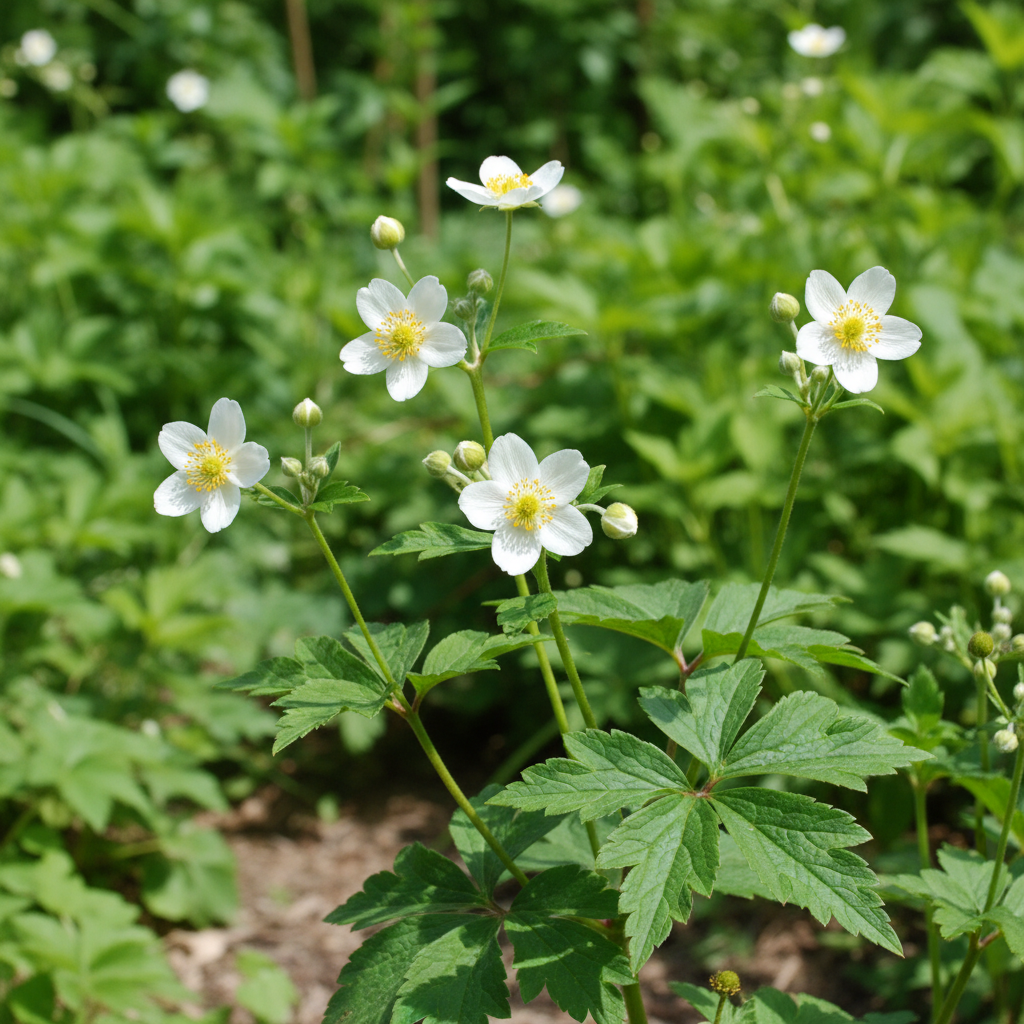

LIFE CYCLE
Perennial

PLANT CHARACTERISTICS
Fast-growing

GROWTH HABIT
Upright

BLOOM SEASON
summer

FLAVOUR PROFILE
ornamental

SUITABLE FOR
Outdoor

SEED TYPE
Open-pollinated seeds

PLANT TYPE
Ornamental

PLANTING SEASON
Spring

FRUIT SIZE
5–10 mm

PLANT HEIGHT
3–5 m

LIGHT REQUIREMENT
Full Sun

WATER NEEDS
Low to Moderate

HARDINESS ZONES
Perennial

CONTAINER GARDEN
Yes

PLANT SPACING
20–25 cm

PLANTING DEPTH
Surface sow

GROWING CONDITIONS
Well-drained soil
Frequently Asked Questions
Are raw elderberries or other plant parts safe to eat?
Are raw elderberries or other plant parts safe to eat?
No — raw berries, seeds, leaves, and stems of Sambucus nigra contain compounds that are toxic if eaten unprocessed; only fully ripe berries that have been properly cooked are used in traditional syrups, jams, or cordials.
Is this the same plant used in popular elderberry syrup supplements?
Is this the same plant used in popular elderberry syrup supplements?
It's the same species commonly used for that purpose, but this listing is for growing the ornamental/fruiting shrub itself, not a substitute for a commercial supplement product.
Why does cold stratification improve germination?
Why does cold stratification improve germination?
Stratifying the seeds mimics the natural winter chilling period the seeds would experience outdoors, which helps break natural dormancy and trigger germination.
How large does this shrub get, and how much space does it need?
How large does this shrub get, and how much space does it need?
It's a substantial shrub or small tree, typically reaching 3–5 meters, so it needs significant space and isn't suited to small container gardens long-term.
Does this plant attract wildlife?
Does this plant attract wildlife?
Yes, its flower clusters draw pollinators, and its berries (once ripe) are a valuable food source for birds.
Could this be confused with a toxic look-alike?
Could this be confused with a toxic look-alike?
Elderberry can resemble some other white-flowering shrubs, so positive identification matters before any harvesting is considered, though this listing is intended for ornamental garden use.