



LIFE CYCLE
Annual flowering vine

PLANT CHARACTERISTICS
Climbing tendrils

GROWTH HABIT
Upright

BLOOM SEASON
Late spring to early fall

FLAVOUR PROFILE
Ornamental

SUITABLE FOR
Outdoor

PLANTING SEASON
Spring

FRUIT SIZE
Not Applicable

PLANT HEIGHT
60–90 cm

LIGHT REQUIREMENT
Full Sun

WATER NEEDS
Moderate

HARDINESS ZONES
4–9

CONTAINER GARDEN
Yes

PLANT SPACING
30–40 cm

PLANTING DEPTH
5 mm

GROWING CONDITIONS
Well-drained fertile soil
Frequently Asked Questions
The listing describes "climbing tendrils" and calls it a "vine" — is that accurate?
The listing describes "climbing tendrils" and calls it a "vine" — is that accurate?
No, that appears to be a significant data error; this plant is an upright, non-climbing annual wildflower, not a vine, and doesn't produce tendrils.
Is this a perennial, as the description suggests, or an annual as other fields state?
Is this a perennial, as the description suggests, or an annual as other fields state?
This is inconsistent in the listing; Saponaria vaccaria (often now classified as Vaccaria hispanica) is typically grown as an annual, which conflicts with the "perennial" wording in the description.
Why is the genus called "Saponaria"?
Why is the genus called "Saponaria"?
It comes from the Latin "sapo" (soap), since these plants contain natural saponins that produce a lather when crushed in water, historically used as a mild soap substitute.
Where does the common name "Cow Cockle" come from?
Where does the common name "Cow Cockle" come from?
It reflects the plant's history as a common weed found in grain and pasture fields, where its seeds sometimes ended up mixed into cattle feed.
Is this used as a filler flower in bouquets, similar to baby's breath?
Is this used as a filler flower in bouquets, similar to baby's breath?
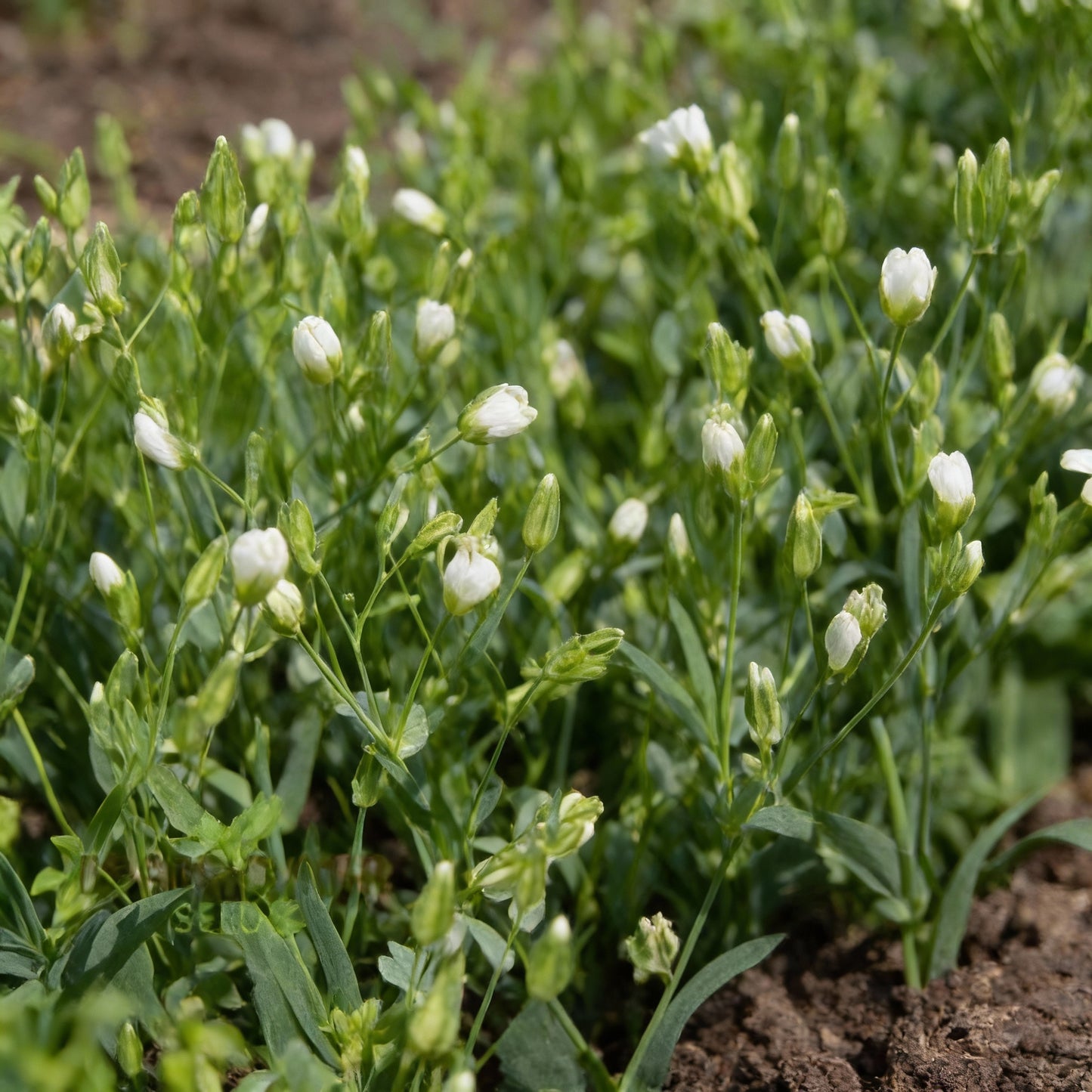
Yes, its airy small white blooms make it a popular substitute for gypsophila (baby's breath) in cut flower arrangements.
Are the seeds safe around livestock?
Are the seeds safe around livestock?
The seeds contain saponins that can be mildly toxic to livestock in quantity, which ties into the plant's historical reputation and common name as an agricultural weed of concern.