



LIFE CYCLE
Perennial

PLANT CHARACTERISTICS
glossy leaves

GROWTH HABIT
Clumping

BLOOM SEASON
summer

FLAVOUR PROFILE
Ornamental

SUITABLE FOR
Outdoor

PLANTING SEASON
Spring / Autumn

FRUIT SIZE
N/A

PLANT HEIGHT
30–50 cm

LIGHT REQUIREMENT
Partial / Full Shade

WATER NEEDS
Moderate

HARDINESS ZONES
Perennial (USDA 5–8)

CONTAINER GARDEN
Yes

PLANT SPACING
25–30 cm

PLANTING DEPTH
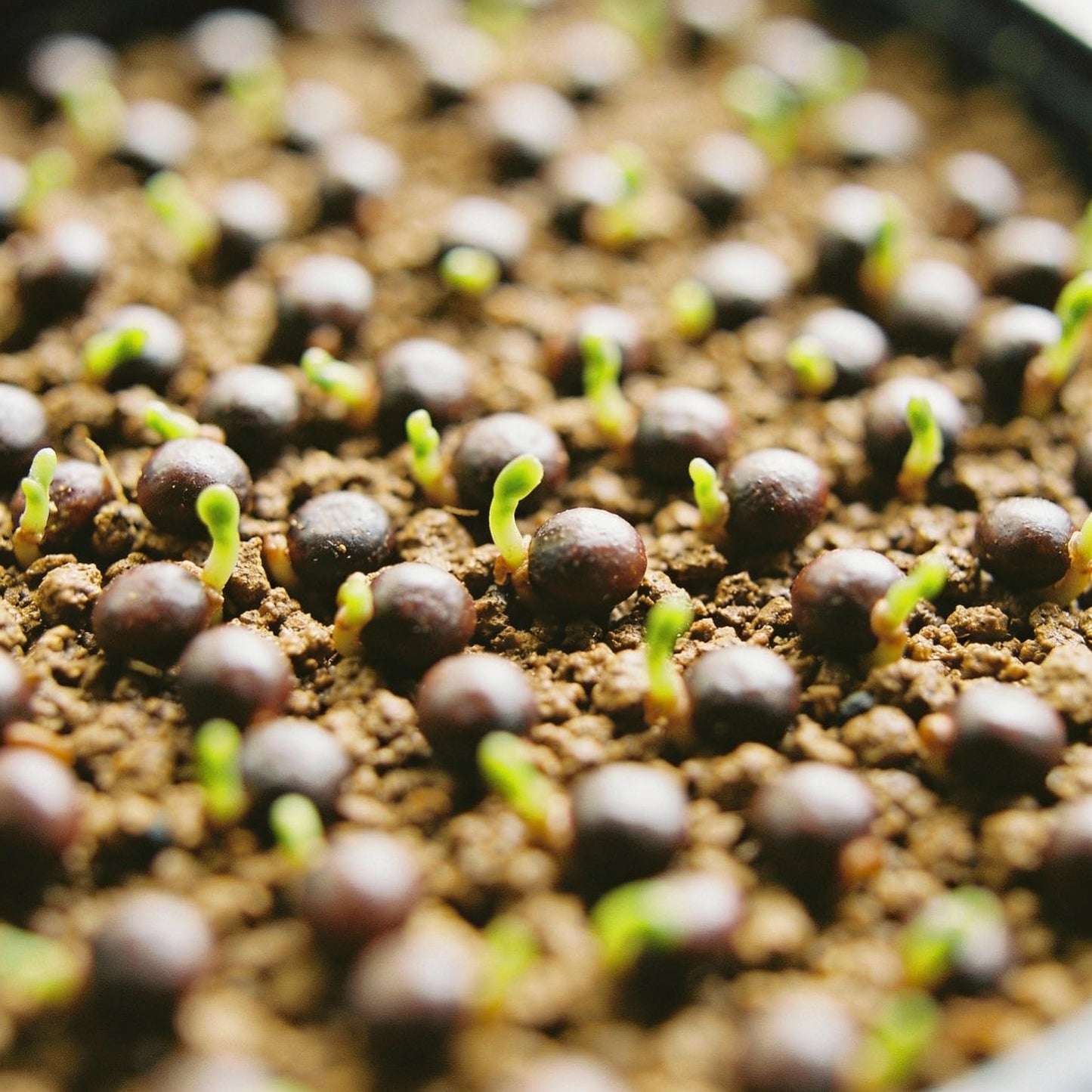
Surface sow / lightly pressed
CONTAINER GARDEN
well-drained soil
Frequently Asked Questions
Is Saruma henryi related to wild ginger (Asarum)? .
Is Saruma henryi related to wild ginger (Asarum)? .
Yes, they're closely related within the same plant family (Aristolochiaceae), and Saruma is actually a single-species genus, making this plant fairly unique botanically
How is its flower different from its wild ginger relatives?
How is its flower different from its wild ginger relatives?
Unlike wild ginger's hidden, ground-level brownish flowers, Saruma henryi produces upward-facing, visible yellow blooms, making it more conspicuous in a shade garden.
Does this plant stay evergreen through winter?
Does this plant stay evergreen through winter?
In milder climates it can remain semi-evergreen, holding some foliage through winter, while colder zones may see more complete dieback.
Why is this plant described as "rare"? It's slow to propagate and not widely available in the nursery trade, which keeps it a specialty find for woodland garden collectors rather than a common bedding plant
Why is this plant described as "rare"? It's slow to propagate and not widely available in the nursery trade, which keeps it a specialty find for woodland garden collectors rather than a common bedding plant
It's slow to propagate and not widely available in the nursery trade, which keeps it a specialty find for woodland garden collectors rather than a common bedding plant
Will it spread and naturalize in a shaded bed over time?
Will it spread and naturalize in a shaded bed over time?
Under favorable moist woodland conditions, it can self-seed gradually, though it's generally slower to spread than more aggressive groundcovers.
What other shade plants pair well with it besides ferns and hostas?
What other shade plants pair well with it besides ferns and hostas?
Plants with similar moisture and shade needs, like heucheras or epimediums, can complement its foliage texture in a layered woodland planting.