



Life Cycle
Perennial

Plant Characteristics
White star-shaped flowers

Growth Habit
Low-growing

Bloom Season
Summer

Flavour Profile
Not applicable

Suitable for
Outdoor

Seed Type
Non-GMO

Plant Type
Flowering Ornamental Plant

Planting Season
Spring

Fruit Size
Not applicable

Plant Height
10–20 cm

Light Requirement
Partial shade

Water Needs
Low to moderate

Hardiness Zones
3–9

Container Garden
Yes

Plant Spacing
20–25 cm

Planting Depth
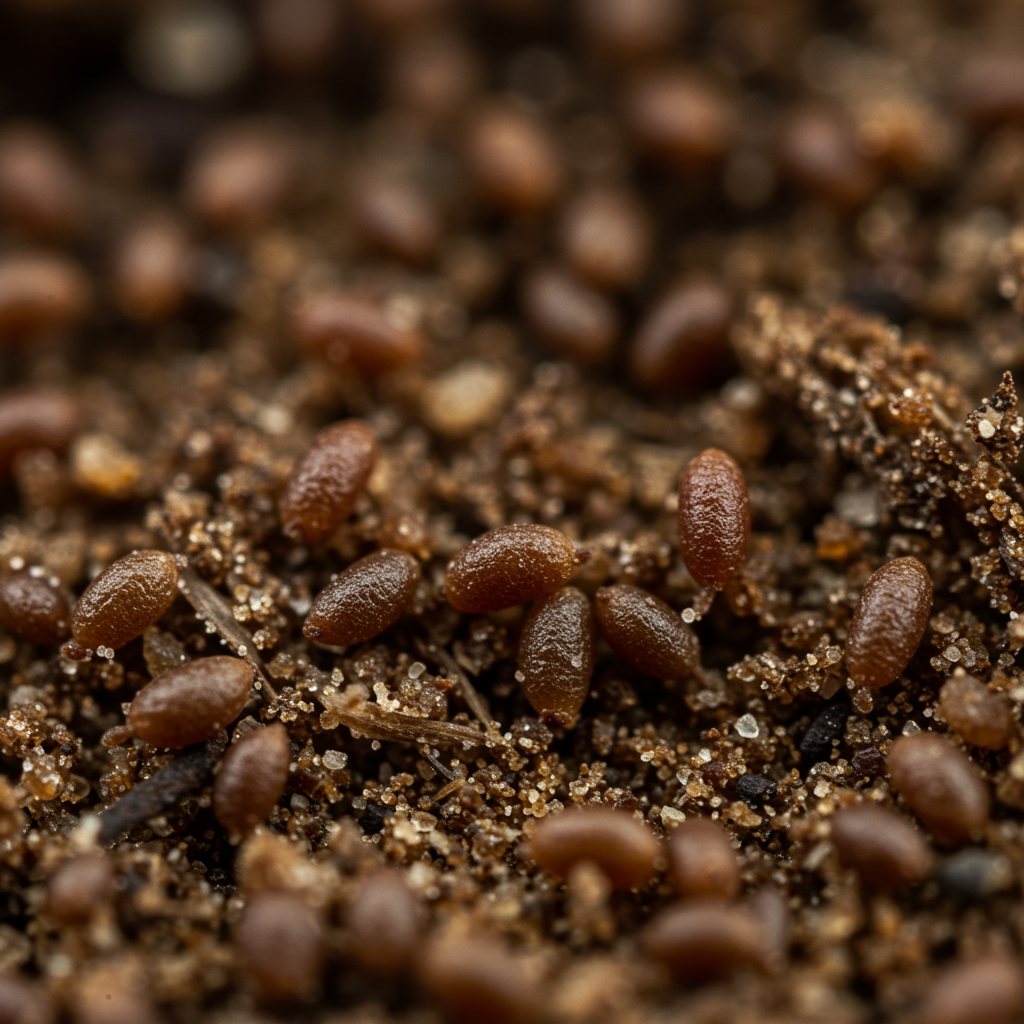
Surface sowing

Growing Conditions
Cool climate
Frequently Asked Questions
Can Saxifraga stellaris thrive beside streams and moist rock gardens?
Can Saxifraga stellaris thrive beside streams and moist rock gardens?
Yes. It naturally grows in cool, moist environments and performs well in damp rock gardens and near water features.
Do the star-shaped flowers bloom above the leafy rosettes?
Do the star-shaped flowers bloom above the leafy rosettes?
Yes. Slender stems carry delicate star-shaped flowers above the compact rosettes, creating an elegant alpine display.
Can Saxifraga stellaris be planted in alpine troughs?
Can Saxifraga stellaris be planted in alpine troughs?
Yes. Its compact size makes it an excellent choice for alpine troughs, rock crevices, and small rock garden settings.
Will the plant remain compact as it matures?
Will the plant remain compact as it matures?
Yes. It maintains a naturally low-growing habit, making it suitable for confined spaces and alpine collections.
Can the flowers attract bees and other pollinators?
Can the flowers attract bees and other pollinators?
Yes. The small blooms can attract bees and other beneficial pollinating insects during the flowering season.
How is Saxifraga stellaris different from Saxifraga paniculata?
How is Saxifraga stellaris different from Saxifraga paniculata?
Saxifraga stellaris prefers consistently moist alpine habitats and produces delicate star-shaped flowers, while Saxifraga paniculata is more tolerant of drier, rocky conditions and forms firmer evergreen rosettes.