



LIFE CYCLE
Perennial

PLANT CHARACTERISTICS
Hardy

GROWTH HABIT
Shrubby

BLOOM SEASON
SPRING

FLAVOUR PROFILE
Tart

SUITABLE FOR
OUT DOOR

SEED TYPE
Non GMO

PLANT TYPE
Fruit

PLANTING SEASON
Spring

FRUIT SIZE
0.25–0.5 inches

PLANT HEIGHT
144–240 inches

LIGHT REQUIREMENT
Full sun

WATER NEEDS
LOW

HARDINESS ZONES
ColdHardy

CONTAINER GARDEN
No

PLANT SPACING
120–180 inches

PLANTING DEPTH
0.5 inches

GROWING CONDITIONS
Welldrained
Frequently Asked Questions
Why are separate male and female sea buckthorn plants needed?
Why are separate male and female sea buckthorn plants needed?
Sea buckthorn is generally dioecious, meaning male and female plants are separate. A compatible male plant is needed near females for reliable fruit set.
Can sea buckthorn tolerate windy garden locations?
Can sea buckthorn tolerate windy garden locations?
Yes. Its hardy growth habit makes it suitable for exposed landscapes, although young plants benefit from establishment in a protected position.
What makes sea buckthorn foliage visually distinctive?
What makes sea buckthorn foliage visually distinctive?
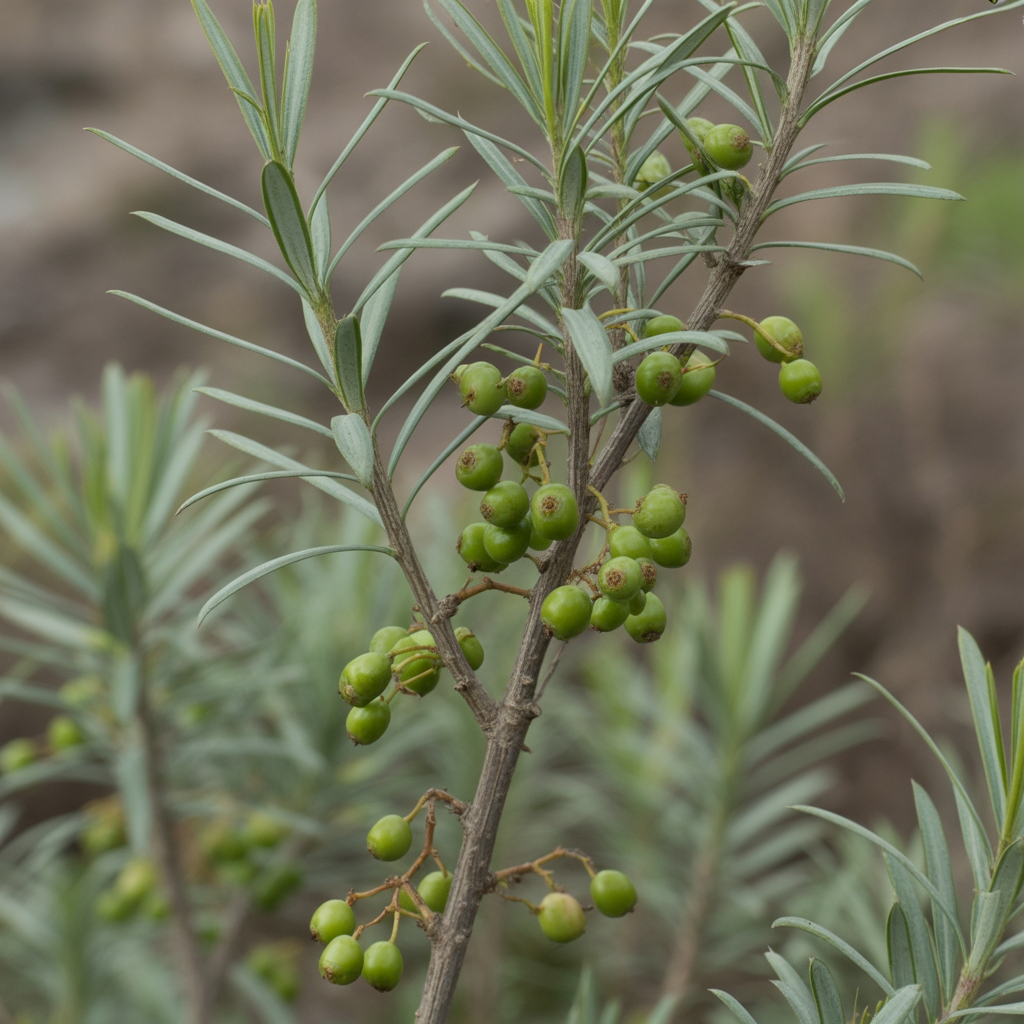
The narrow leaves have a silvery-green appearance that contrasts strongly with the bright orange berries.
Can sea buckthorn be used for an informal hedge?
Can sea buckthorn be used for an informal hedge?
Yes. Its dense branching and thorny stems can make it suitable for informal hedging where sufficient space is available. .
Does sea buckthorn require fertile garden soil?
Does sea buckthorn require fertile garden soil?
It can tolerate relatively poor soils and is adaptable, but well-drained soil and adequate moisture during establishment support healthy growth.
When are sea buckthorn berries usually visible?
When are sea buckthorn berries usually visible?
The orange berries develop after flowering and can remain prominently displayed on female plants into the later part of the growing season