



LIFE CYCLE
Perennial

PLANT CHARACTERISTICS
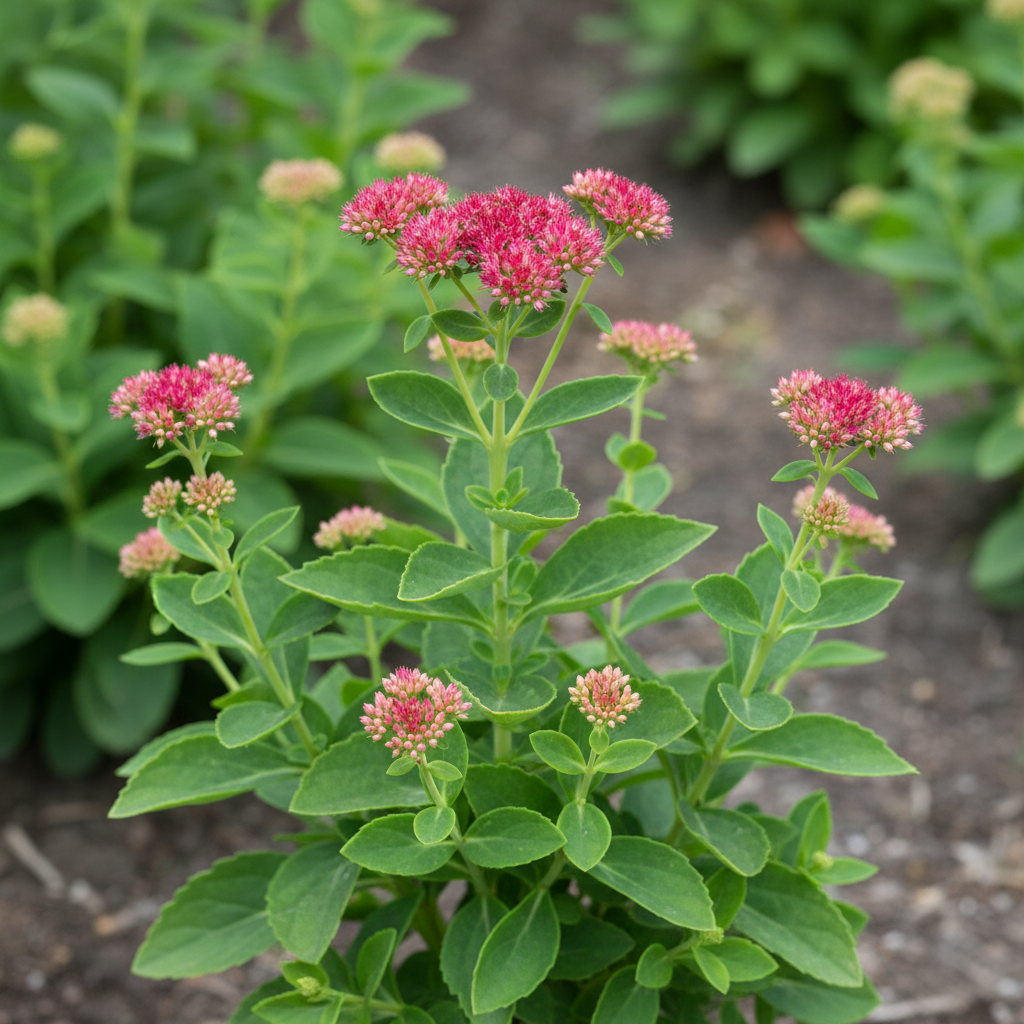
Succulent foliage

GROWTH HABIT
Clump-forming

BLOOM SEASON
Late summer

FLAVOUR PROFILE
Not edible

SUITABLE FOR
Outdoor

PLANTING SEASON
Spring

FRUIT SIZE
N/A

PLANT HEIGHT
12–24 inches

LIGHT REQUIREMENT
Full Sun

WATER NEEDS
Low

HARDINESS ZONES
3–9

CONTAINER GARDEN
Yes

PLANT SPACING
12–18 inches

PLANTING DEPTH
Surface sow

GROWING CONDITIONS
Well-drained
Frequently Asked Questions
Can Sedum be used in water-wise landscape designs?
Can Sedum be used in water-wise landscape designs?
Yes. Once established, Sedum is well suited to water-wise gardens because it tolerates dry conditions and thrives in well-drained soil.
Do Sedum flowers appear late in the growing season?
Do Sedum flowers appear late in the growing season?
Yes. Many showy Sedum varieties bloom from late summer into autumn, providing seasonal color when many other flowers have finished blooming.
Can Sedum be planted alongside ornamental grasses?
Can Sedum be planted alongside ornamental grasses?
Yes. Its upright flower clusters and succulent foliage pair well with ornamental grasses in borders and naturalistic garden designs.
Will pinching Sedum stems help keep plants compact?
Will pinching Sedum stems help keep plants compact?
Yes. Pinching stems in spring encourages bushier growth and helps reduce flopping in taller varieties.
Can Sedum attract butterflies and bees?
Can Sedum attract butterflies and bees?
Yes. The flowers attract butterflies, bees, and other beneficial pollinators during the blooming season.
Does Sedum need rich, fertile soil to grow well? No. Sedum performs best in well-drained soil with moderate to low fertility, as overly rich soil can lead to weaker growth.
Does Sedum need rich, fertile soil to grow well? No. Sedum performs best in well-drained soil with moderate to low fertility, as overly rich soil can lead to weaker growth.
No. Sedum performs best in well-drained soil with moderate to low fertility, as overly rich soil can lead to weaker growth.