



LIFE CYCLE
Perennial-like

PLANT CHARACTERISTICS
Mediterranean

GROWTH HABIT
Upright

BLOOM SEASON
summer

FLAVOUR PROFILE
Primarily ornamental

SUITABLE FOR
Outdoor

SEED TYPE
Non-GMO

PLANT TYPE
Flowering ornamental plant

PLANTING SEASON
Spring

FRUIT SIZE
N/A

PLANT HEIGHT
10–15 inches

LIGHT REQUIREMENT
10–15 inches

WATER NEEDS
Full Sun

HARDINESS ZONES
zones 4–8

CONTAINER GARDEN
Excellent

PLANT SPACING
6–9 inches

PLANTING DEPTH
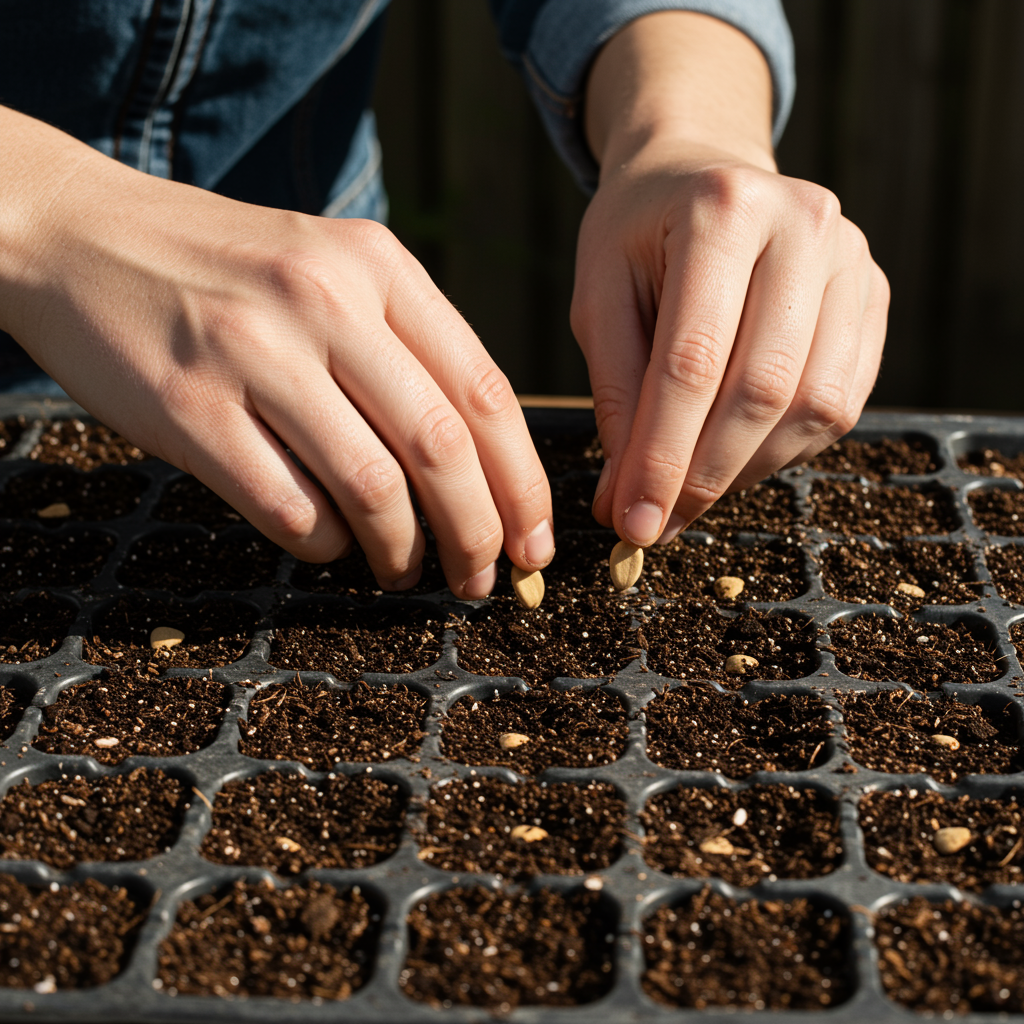
Surface sow

GROWING CONDITIONS
Cool season
Frequently Asked Questions
The listing shows "Light Requirement: 10–15 inches" and "Water Needs: Full Sun" — is this a data error?
The listing shows "Light Requirement: 10–15 inches" and "Water Needs: Full Sun" — is this a data error?
Yes, these fields appear to be mismatched; standard petunia care calls for full sun and the 10–15 inch figure likely refers to plant height, not light exposure.
Why does the listing describe this petunia as "Mediterranean"?
Why does the listing describe this petunia as "Mediterranean"?
That's likely inaccurate; petunias are native to South America, not the Mediterranean, so this characteristic label appears to be a data mismatch from another plant type.
Is this a trailing/cascading variety, or a more upright mounding type?
Is this a trailing/cascading variety, or a more upright mounding type?
Given its described cascading habit for hanging baskets, this variety leans toward a trailing growth form rather than a compact upright bush type.
Will this petunia survive winter anywhere, given it's called "Perennial-like"?
Will this petunia survive winter anywhere, given it's called "Perennial-like"?
Petunias are tender perennials that only reliably survive winters in warm, frost-free climates; in most regions they're grown fresh as annuals each year.
Do soft pink petunias have the classic evening petunia fragrance?
Do soft pink petunias have the classic evening petunia fragrance?
Many petunias release a noticeable sweet scent in the evening, though fragrance intensity can vary somewhat by color and variety.
Why does pinching back young petunia plants improve their look?
Why does pinching back young petunia plants improve their look?
Pinching removes the growing tip, encouraging the plant to branch out from lower nodes, resulting in a fuller, bushier plant rather than a single leggy stem.