



LIFE CYCLE
Perennial

PLANT CHARACTERISTICS
Perennial

GROWTH HABIT
Upright

BLOOM SEASON
Spring

FLAVOUR PROFILE
Sweet

SUITABLE FOR
outdoor

SEED TYPE
Non GMO

PLANT TYPE
Fruit

PLANTING SEASON
Tropical
FRUIT SIZE
3–5 inches

PLANT HEIGHT
240–360 inches

LIGHT REQUIREMENT
Full sun

WATER NEEDS
Moderate

HARDINESS ZONES
Tropical
CONTAINER GARDEN
No

PLANT SPACING
240–300 inches

PLANTING DEPTH
0.5 inches

GROWING CONDITIONS
Well Drained
Frequently Asked Questions
Can Star Apple produce sweet tropical fruits with distinctive star-patterned flesh?
Can Star Apple produce sweet tropical fruits with distinctive star-patterned flesh?
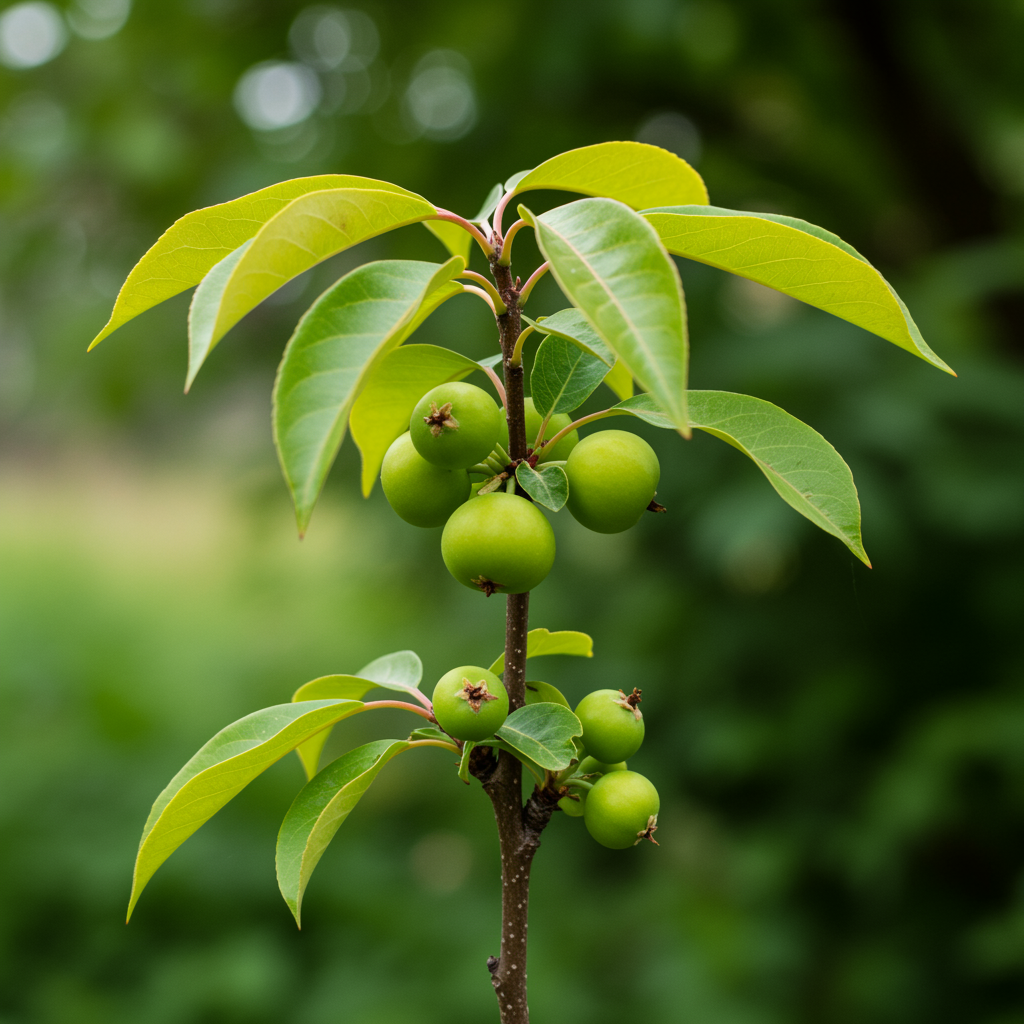
Yes. Star Apple (Chrysophyllum cainito) is known for producing round tropical fruits with smooth skin and soft, sweet flesh that can show a star-shaped pattern when the fruit is cut across the middle.
Does Star Apple grow best in warm, sunny conditions?
Does Star Apple grow best in warm, sunny conditions?
Yes. It generally performs well in warm, frost-free climates with full sun, fertile soil, and good drainage.
Can Star Apple be grown in home gardens or spacious landscapes?
Can Star Apple be grown in home gardens or spacious landscapes?
Yes. It can be grown in suitable tropical and subtropical gardens where there is enough space for the tree to develop its canopy.
Will regular watering support healthy tree growth and fruit development?
Will regular watering support healthy tree growth and fruit development?
Yes. Consistent moisture during active growth helps support healthy establishment and fruit development, while good drainage helps prevent waterlogging.
Can Star Apple fruits be enjoyed fresh?
Can Star Apple fruits be enjoyed fresh?
Yes. Fully ripe fruits can be eaten fresh by scooping out the soft, sweet pulp, and the flesh can also be used in smoothies and desserts.
How is Star Apple different from Sapodilla?
How is Star Apple different from Sapodilla?
Star Apple ( Chrysophyllum cainito ) produces round fruits with soft, sweet pulp that can display a star pattern when cut crosswise, while Sapodilla ( Manilkara zapota ) produces brown, rough-skinned fruits with soft, grainy, caramel-like flesh.