



LIFE CYCLE
Perennial

PLANT CHARACTERISTICS
Evergreen

GROWTH HABIT
Shrubby

BLOOM SEASON
Spring

FLAVOUR PROFILE
Sweet-Tangy

SUITABLE FOR
out door

PLANTING SEASON
Spring Summer

PLANT HEIGHT
6–12 Feet

FRUIT SIZE
1–2 inches

LIGHT REQUIREMENT
full sun

WATER NEEDS
Moderate

HARDINESS ZONES
Warm Tropical Subtropical

CONTAINER GARDEN
Yes

PLANT SPACING
2–3 m

PLANTING DEPTH
½ Inch

GROWING CONDITIONS
Well Drained soil
Frequently Asked Questions
Can Surinam Fruit produce colorful, ribbed Pitanga cherries?
Can Surinam Fruit produce colorful, ribbed Pitanga cherries?
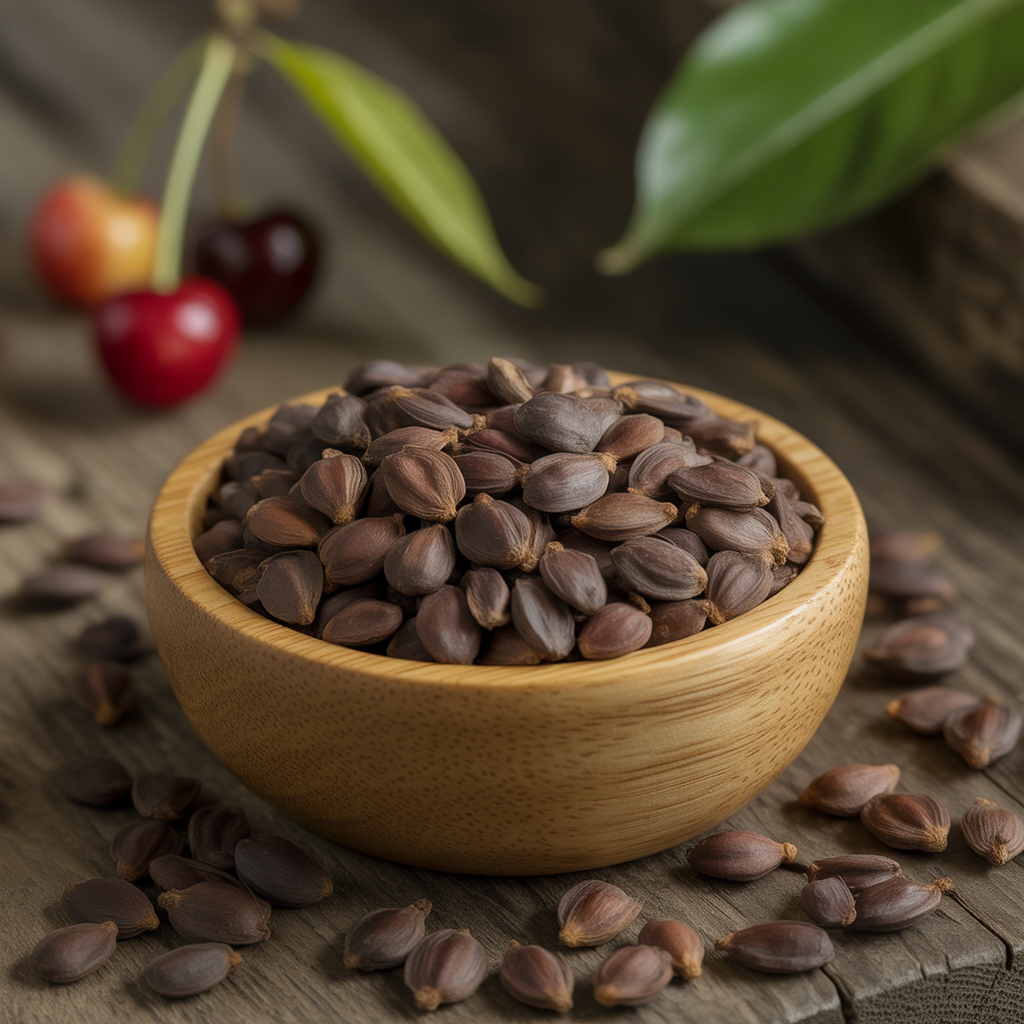
Yes. Surinam Fruit (Eugenia uniflora), also called Pitanga or Brazilian Cherry, is known for producing small, ribbed fruits that can mature through shades of orange, red, or deep purple depending on the variety and ripeness.
Do the flowers attract bees and other beneficial pollinators?
Do the flowers attract bees and other beneficial pollinators?
Yes. The small white flowers provide pollen and nectar that can attract bees and other beneficial pollinating insects.
Can Surinam Fruit be grown as a shrub or small fruit tree?
Can Surinam Fruit be grown as a shrub or small fruit tree?
Yes. It can be grown as a shrub, hedge, or small fruit tree in warm, frost-free climates with full sun and fertile, well-drained soil.
Will regular pruning help maintain a compact and productive plant?
Will regular pruning help maintain a compact and productive plant?
Yes. Light pruning helps maintain the desired shape, encourages branching, and can make harvesting easier.
Can the ripe Pitanga cherries be enjoyed fresh or used in recipes?
Can the ripe Pitanga cherries be enjoyed fresh or used in recipes?
Yes. Fully ripe fruits can be eaten fresh and are also suitable for juices, jams, jellies, sauces, desserts, and other culinary preparations.
How is Surinam Fruit different from Barbados Cherry?
How is Surinam Fruit different from Barbados Cherry?
Surinam Fruit (Eugenia uniflora) produces distinctly ribbed, pumpkin-shaped fruits with a tropical sweet-tart flavor, while Barbados Cherry (Malpighia emarginata) produces smoother, rounded to slightly lobed red fruits that are generally more tart and juicy.