Skip to product information
1 of 5

Tinda Seeds for Planting - Indian Round Gourd

Tinda Seeds for Planting - Indian Round Gourd

Regular price $16.99 USD
Regular price Sale price $16.99 USD
Sale Sold out
Quantity

How to Sow and Plant

Sow seeds directly in garden soil or in seedling trays once soil is warm (after last frost / in warm season). Depth ~ 0.5 inch (≈ 12 mm).
Space plants about 18–24 inches (45–60 cm) apart to allow vine spread. Row spacing 3–4 feet where possible for good growth.
Provide support (trellis or space on ground) if vines climb; ensure good sunlight exposure.
Water regularly to keep soil moist but avoid waterlogging. Maintain consistent moisture through growing season.

How to Grow

Use well-draining, fertile, organic-rich soil (loamy or sandy-loam) for best root and vine growth.
Ensure full sunlight — at least 6–8 hours of direct sun daily for healthy vine and fruit development.
Mulch around plants to retain soil moisture and suppress weeds.
Harvest fruits when small and tender (about 5–8 cm diameter) — for best flavor and texture.

Tips

Harvest regularly — frequent picking encourages continued fruiting.
Use trellis support if growing in limited space or containers — helps keep vines manageable and improve air circulation.
Avoid over-watering or waterlogging — can lead to root problems or poor fruit quality.
Grow in warm season only; avoid planting in cold or humid climates where growth slows or fails.

View full details
About
Product Information
Features
life-cycle

Life Cycle

Annual

plant-characteristics

Plant Characteristics

Vigorous

growth-habit

Growth Habit

Climbing

bloom-season

Bloom Season

warm

flavour-profile

Flavour Profile

Mild

suitable-for

Suitable for

Outdoor

About
Tinda Seeds for Planting - Indian Round Gourd
seed-type

Seed Type

Non-GMO

plant-type

Plant Type

Gourd

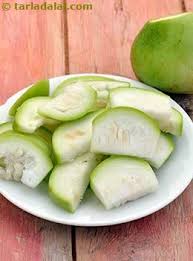
Tinda — also known as Indian Round Gourd, Apple Gourd, or Round Melon — is a traditional South Asian vegetable (Praecitrullus fistulosus). This fast-growing climber yields round, light-green gourds about 5–8 cm in diameter, with soft, tender flesh and mild flavour. The vegetable is widely used in Indian cooking — in curries, stir-fries, sabzis, and mixed vegetable dishes. With proper warmth, full sun and well-draining fertile soil, Tinda thrives easily even in home gardens or containers, making it ideal for small spaces and kitchen gardens

Planting information
planting-season

Planting Season

Spring

fruit-size

Fruit Size

medium

plant-height

Plant Height

2–4 ft

light-requirement

Light Requirement

Full Sun

water-needs

Water Needs

Moderate

hardiness-zones

Hardiness Zones

9–11

container-garden

Container Garden

Yes

plant-spacing

Plant Spacing

45–60 cm

planting-depth

Planting Depth

12 mm

growing-conditions

Growing Conditions

Warm

Coverage
Seed Count
Recommended Coverage
Seed Count
20–50
GTN
036000123777

Frequently Asked Questions

How can Tinda vines be managed in a limited garden space?

Use a trellis to grow the climbing vines vertically. The listing notes that support can make vines more manageable in containers or small spaces.

Why is frequent Tinda harvesting useful for the plant?

Regular picking of young fruits can encourage continued fruiting. The product guide recommends harvesting frequently rather than leaving mature fruits on the vine.

What does Tinda taste like when harvested young?

Young Tinda fruits have soft, tender flesh and a mild flavor. The page recommends harvesting them at about 5–8 cm diameter for this eating quality.

Can Tinda grow across a trellis instead of along the ground?

Yes. The listing describes Tinda as a climbing plant and recommends trellis support when growing vertically or where ground space is limited.

Is Tinda a perennial or annual vegetable plant?

Tinda is listed as an annual plant. It is grown during the warm season and replanted for subsequent growing cycles.

Why should Tinda not be planted in cold weather?

Tinda is a warm-season crop. The product guide advises avoiding cold conditions because low temperatures can slow or prevent normal growth.