



LIFE CYCLE
Perennial

PLANT CHARACTERISTICS
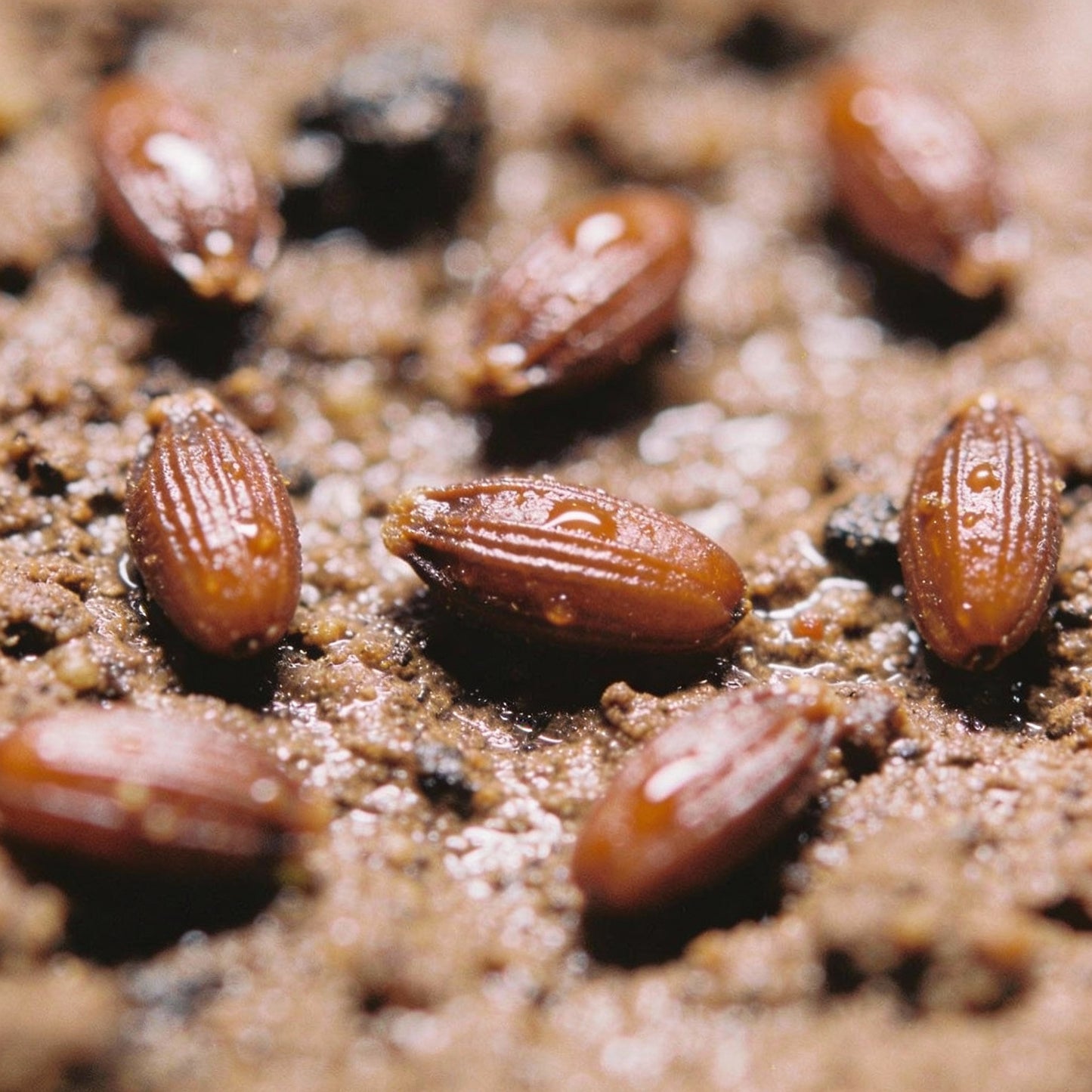
ornamental berries

GROWTH HABIT
Upright, clump-forming

BLOOM SEASON
Late Spring to Early Summer

FLAVOUR PROFILE
Ornamental use only

SUITABLE FOR
Outdoor

PLANTING SEASON
Autumn, Spring

FRUIT SIZE
Small ornamental berries

PLANT HEIGHT
60–90 cm

LIGHT REQUIREMENT
Partial Shade

WATER NEEDS
Moderate

HARDINESS ZONES
USDA 4–8

CONTAINER GARDEN
No

PLANT SPACING
45–60 cm

PLANTING DEPTH
5–10 mm

GROWING CONDITIONS
humus-rich soil
Frequently Asked Questions
What makes Triosteum pinnatifidum unusual in ornamental gardens?
What makes Triosteum pinnatifidum unusual in ornamental gardens?
It combines distinctive foliage, tubular flowers, and decorative berries, adding multi-season interest to woodland plantings.
Can it be included in native-style borders?
Can it be included in native-style borders?
Yes. Its natural growth habit blends well with informal woodland and habitat-inspired gardens.
Which plants pair well with Triosteum pinnatifidum?
Which plants pair well with Triosteum pinnatifidum?
Ferns, hostas, Solomon's seal, and woodland asters create attractive shade combinations.
Do the berries add seasonal interest?
Do the berries add seasonal interest?
Yes. Colorful fruits provide ornamental appeal after the flowering period has finished.
Can it grow beneath open tree canopies?
Can it grow beneath open tree canopies?
Yes. Filtered light beneath deciduous trees provides a suitable ornamental setting.
Do pollinating insects visit the flowers?
Do pollinating insects visit the flowers?
The blooms may attract bees and other beneficial pollinating insects during flowering.