



Life Cycle
Perennial

Plant Characteristics
Hardy

Growth Habit
Clump-forming perennial

Bloom Season
Late Spring

Flavour Profile
Ornamental

Suitable for
Outdoor

Seed Type
Flowering

Plant Type
Perennial

Planting Season
Fall

Fruit Size
N/A

Plant Height
18–24 inches

Light Requirement
Partial

Water Needs
Moderate

Hardiness Zones
3–7

Container Garden
Yes

Plant Spacing
6–8 in

Planting Depth
Lightly covered

Growing Conditions
Moist
Frequently Asked Questions
Can European Globeflower thrive in cool mountain gardens?
Can European Globeflower thrive in cool mountain gardens?
Yes. It naturally grows in cool, temperate regions and performs best where summers are mild and soil remains consistently moist.
Why are the flowers almost perfectly globe-shaped?
Why are the flowers almost perfectly globe-shaped?
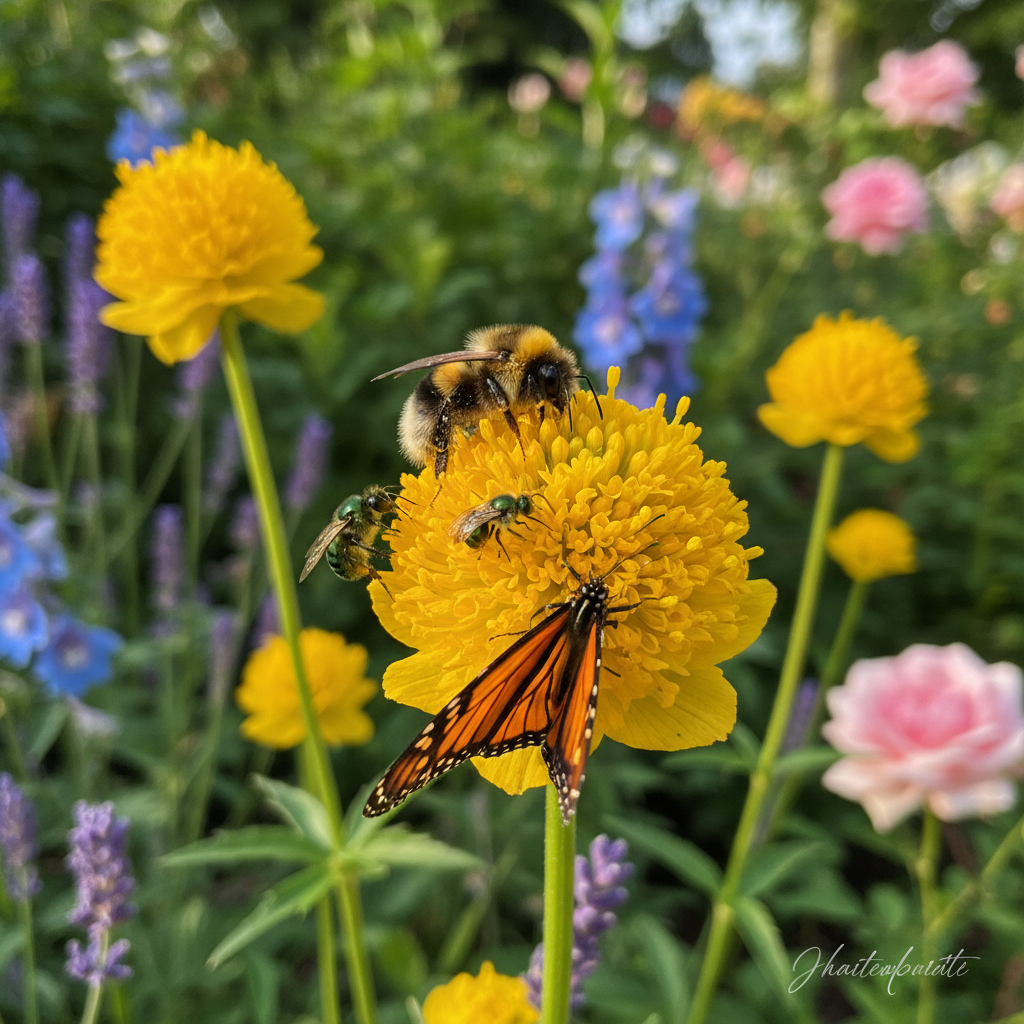
The inward-curving sepals form a rounded flower that protects the reproductive parts and gives the plant its distinctive globe-like appearance.
Can Trollius europaeus be planted in bog gardens?
Can Trollius europaeus be planted in bog gardens?
Yes. It is well suited to bog gardens, stream edges, and other areas with moisture-retentive soil and partial sun.
Will established clumps become larger over the years?
Will established clumps become larger over the years?
Yes. Mature plants gradually expand into larger clumps and can be divided after several years if desired.
Does European Globeflower have any cultural significance?
Does European Globeflower have any cultural significance?
Yes. In parts of northern Europe and Scotland, it has long been associated with folklore and traditional names linked to local legends.
Can European Globeflower grow successfully in dry soil?
Can European Globeflower grow successfully in dry soil?
No. It prefers consistently moist soil and may struggle where the ground becomes dry for extended periods.