



Life Cycle
Perennial

Plant Characteristics
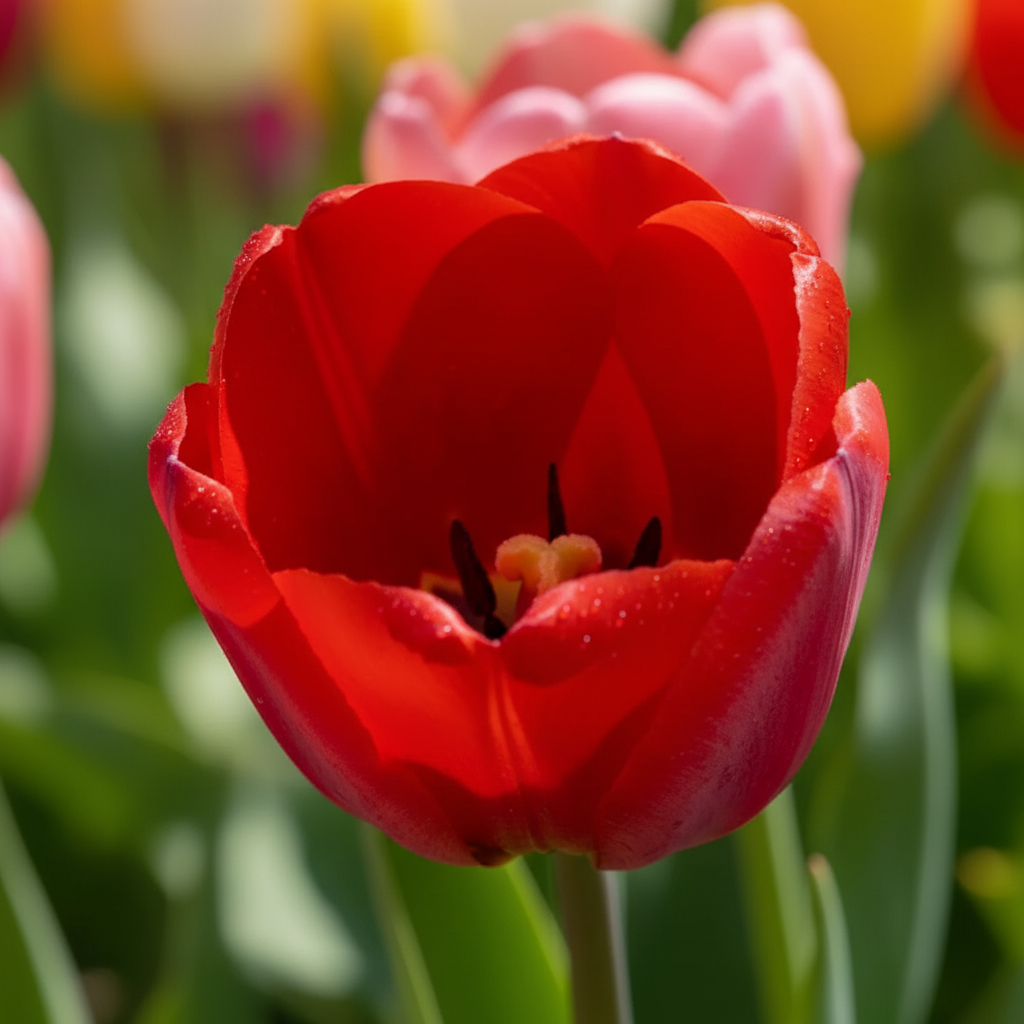
vibrant colors

Growth Habit
Upright

Bloom Season
Spring

Flavour Profile
Ornamental

Suitable for
Outdoor

Planting Season
Winter

Fruit Size
N/A

Plant Height
30–60 cm

Light Requirement
Full Sun

Water Needs
Moderate

Hardiness Zones
USDA Zones 3–8

Container Garden
Yes

Plant Spacing
10–15 cm

Planting Depth
1–2 cm

Growing Conditions
Cool climate
Frequently Asked Questions
Can Tulip Mixed Colors produce blooms in a variety of vibrant shades?
Can Tulip Mixed Colors produce blooms in a variety of vibrant shades?
Yes. The seed mix typically produces flowers in a range of colors, creating a bright and diverse spring garden display.
Do the flowers make elegant cut blooms?
Do the flowers make elegant cut blooms?
Yes. The long, sturdy stems and classic cup-shaped flowers make them excellent for fresh bouquets and floral arrangements.
Can Tulip Mixed Colors be planted in borders and containers?
Can Tulip Mixed Colors be planted in borders and containers?
Yes. They are well suited for flower beds, borders, decorative containers, and spring landscape displays with well-drained soil.
Will the flowers attract bees and other early-season pollinators?
Will the flowers attract bees and other early-season pollinators?
Yes. The blooms provide an early nectar source for bees and other beneficial pollinating insects during spring.
Do the plants become dormant after flowering?
Do the plants become dormant after flowering?
Yes. After blooming, the foliage naturally dies back as the plant enters dormancy until the next growing season.
How is Tulip Mixed Colors different from daffodils?
How is Tulip Mixed Colors different from daffodils?
Tulip Mixed Colors (Tulipa species) produces elegant cup-shaped blooms in a wide range of colors, while daffodils (Narcissus species) are recognized for their trumpet-shaped flowers and typically bloom in shades of yellow, white, or cream.