


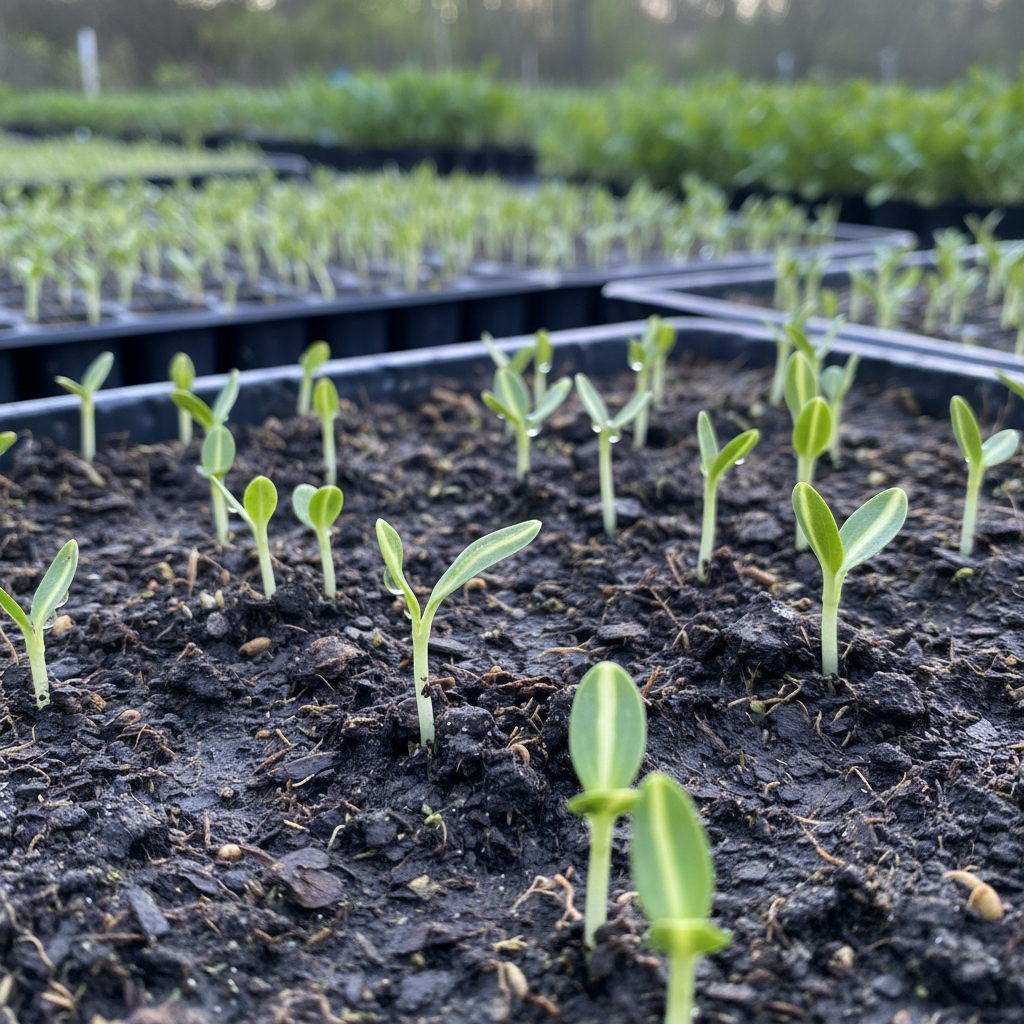

Life Cycle
Perennial

Plant Characteristics
Variegated foliage

Growth Habit
Upright

Bloom Season
Spring

Flavour Profile
Ornamental

Suitable for
Outdoor

Seed Type
Open-pollinated seeds

Plant Type
Flowering shrub

Planting Season
Spring

Fruit Size
N/A

Plant Height
4–6 feet

Light Requirement
Partial sun

Water Needs
Moderate

Hardiness Zones
5–9

Container Garden
Yes

Plant Spacing
3–5 feet

Planting Depth
Surface sow

Growing Conditions
Moist
Frequently Asked Questions
Can this variegated shrub produce bright yellow flowers in spring?
Can this variegated shrub produce bright yellow flowers in spring?
Yes. This ornamental shrub is characterized by variegated foliage and bright yellow spring flowers, providing seasonal color and visual contrast in the landscape.
Does it grow best in sunny conditions?
Does it grow best in sunny conditions?
Yes. It generally performs well in full sun to partial shade with fertile, well-drained soil and suitable moisture.
Can it be grown in garden borders or ornamental landscapes?
Can it be grown in garden borders or ornamental landscapes?
Yes. Its contrasting foliage and spring flowers make it suitable for borders, foundation plantings, mixed beds, and other ornamental landscape areas.
Will light pruning help maintain an attractive shape?
Will light pruning help maintain an attractive shape?
Yes. Light pruning can help maintain the desired form, encourage branching, and remove damaged or unwanted growth.
Can the yellow flowers attract bees and other beneficial pollinators?
Can the yellow flowers attract bees and other beneficial pollinators?
Yes. The flowers can provide pollen and nectar for bees, butterflies, and other beneficial visiting insects during the flowering period.
How is this variegated shrub different from Forsythia?
How is this variegated shrub different from Forsythia?
This shrub is distinguished by its contrasting variegated foliage combined with yellow spring flowers, while Forsythia is primarily recognized for its abundant yellow flowers on arching woody stems, often appearing before the leaves.