



Life Cycle
Perennial

Plant Characteristics
Aromatic

Growth Habit
Clumping

Bloom Season
Summer

Flavour Profile
Earthy

Suitable for
Outdoor

Seed Type
Non-GMO

Plant Type
Grass

Planting Season
Year-round

Fruit Size
N/A

Plant Height
1.5–2 m

Light Requirement
Full Sun

Water Needs
Moderate

Hardiness Zones
7–11

Container Garden
Yes (large)

Plant Spacing
30–60 cm

Planting Depth
2–5 mm

Growing Conditions
Hot Sunny
Frequently Asked Questions
Is vetiver an invasive grass like some other fast-spreading ground covers?
Is vetiver an invasive grass like some other fast-spreading ground covers?
No, vetiver grows in tight, non-spreading clumps rather than sending out invasive runners, which is why it's widely used for controlled erosion planting rather than becoming a garden weed.
Is vetiver usually grown from seed, or from root cuttings/slips?
Is vetiver usually grown from seed, or from root cuttings/slips?
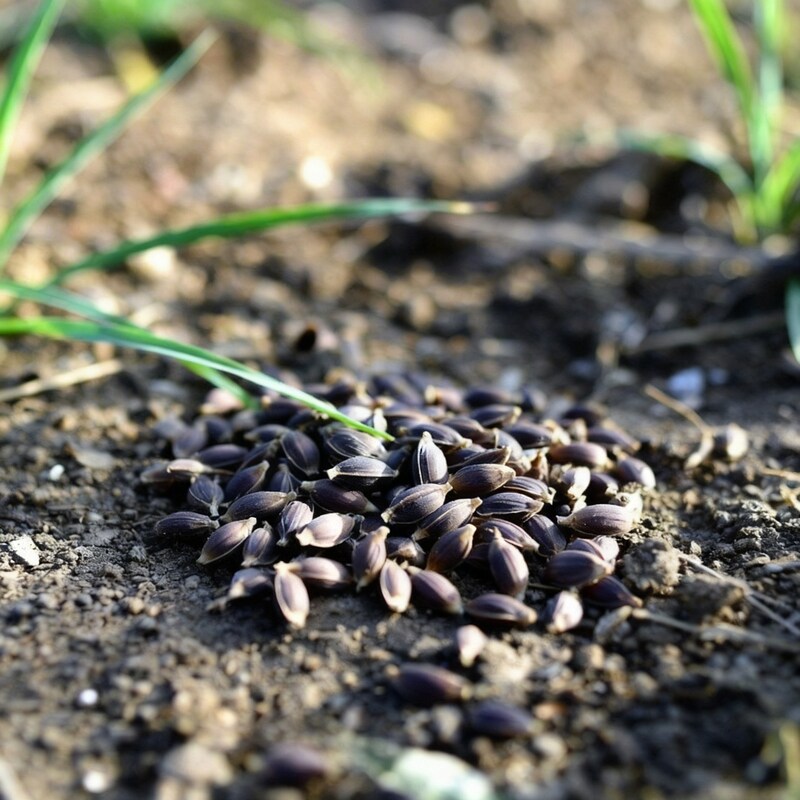
Many vetiver varieties are commercially propagated from root slips since they produce little viable seed. These seeds offer a seed-based option, though germination can be less predictable than slips.
Can the fragrant vetiver root be used directly in food or drinks like khus sherbet?
Can the fragrant vetiver root be used directly in food or drinks like khus sherbet?
Traditionally, dried vetiver root is used to flavor cooling syrups and drinks in some cuisines. This listing is intended for growing the plant, not as a food or beverage ingredient.
When does vetiver's root develop its characteristic fragrance?
When does vetiver's root develop its characteristic fragrance?
The earthy aroma develops as roots mature and dry, typically becoming most pronounced in roots harvested after 18–24 months of growth, rather than in fresh young roots.
Does vetiver survive frost, or does it die back in winter?
Does vetiver survive frost, or does it die back in winter?
In cooler parts of its hardiness range, foliage may die back after frost, but established roots often resprout in spring in zones with mild winters.
How does vetiver compare to lemongrass or bamboo as a privacy screen?
How does vetiver compare to lemongrass or bamboo as a privacy screen?
Vetiver forms dense, upright clumps similar in screening effect to ornamental grasses, but its non-spreading roots make it easier to contain than running bamboo varieties.