




LIFE CYCLE
Perennial

PLANT CHARACTERISTICS
Ornamental

GROWTH HABIT
Upright

BLOOM SEASON
Summer

FLAVOUR PROFILE
Non-edible

SUITABLE FOR
Outdoor

SEED TYPE
Open-pollinated

PLANT TYPE
Perennial

PLANTING SEASON
Spring

FRUIT SIZE
N/A

PLANT HEIGHT
45–90 cm

LIGHT REQUIREMENT
Full sun

WATER NEEDS
Moderate

HARDINESS ZONES
3–7

CONTAINER GARDEN
Yes

PLANT SPACING
Moderate
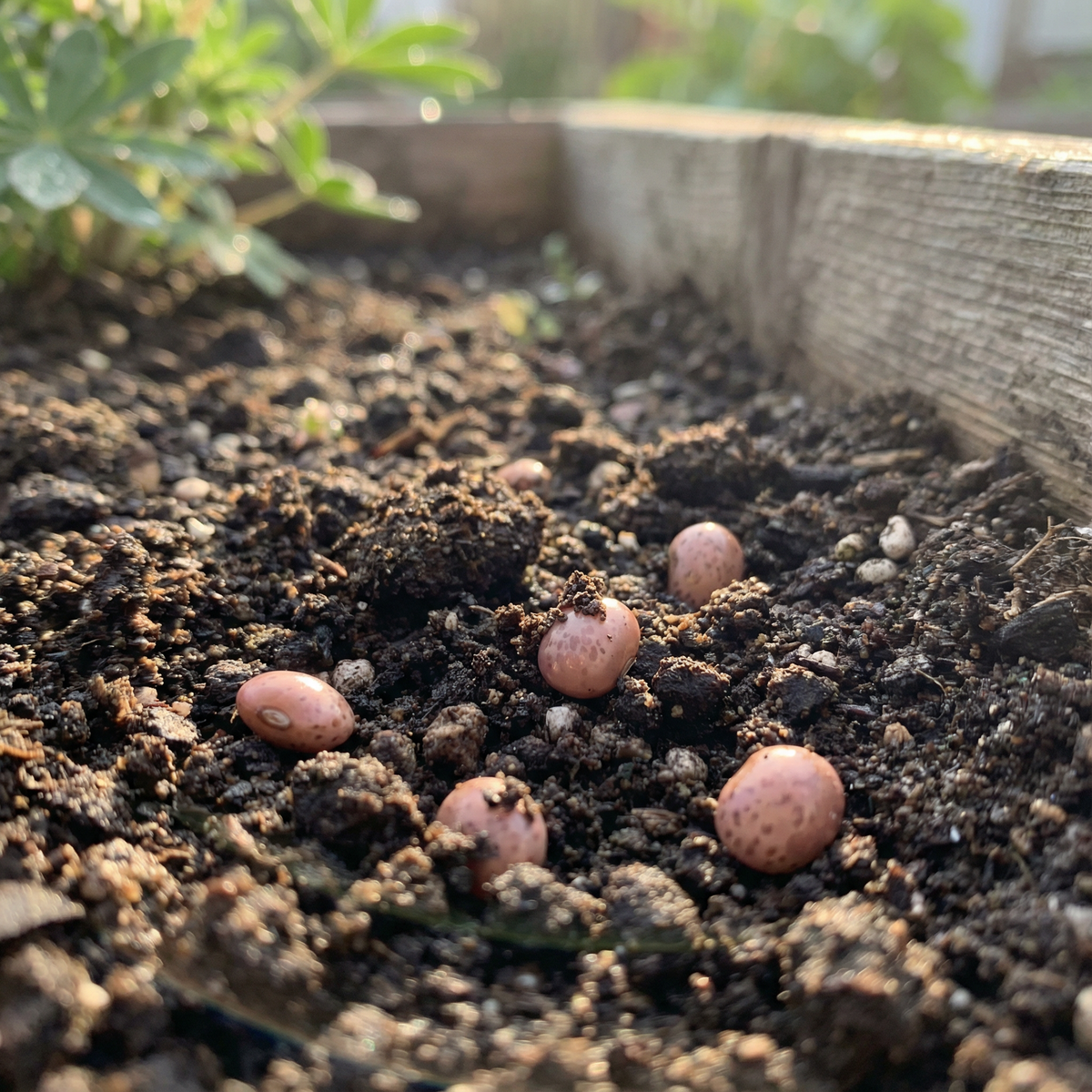
PLANTING DEPTH
Shallow

GROWING CONDITIONS
Well-drained soil
Frequently Asked Questions
How can lupines be used in a layered flower border?
How can lupines be used in a layered flower border?
Place lupines toward the middle or back of a border where their upright flower spikes can rise above shorter companion plants.
Do lupine flower spikes need support?
Do lupine flower spikes need support?
In exposed locations, tall flower spikes may benefit from light support, especially when plants are carrying many blooms.
Can pink lupines attract garden pollinators?
Can pink lupines attract garden pollinators?
Yes. Lupine flowers can provide a nectar and pollen resource for visiting pollinators such as bees and butterflies.
What should be done after lupine flowers fade?
What should be done after lupine flowers fade?
Remove spent flower spikes if you want to maintain a tidy appearance. Allowing some seed pods to mature can support natural reseeding.
Can lupines tolerate partial shade?
Can lupines tolerate partial shade?
Yes. They can grow in partial shade, although a sunny location generally provides stronger flowering and more compact growth.
Why is well-drained soil important for lupines?
Why is well-drained soil important for lupines?
Well-drained soil helps prevent prolonged moisture around the roots. Avoid planting in areas that remain saturated after watering or rain.