


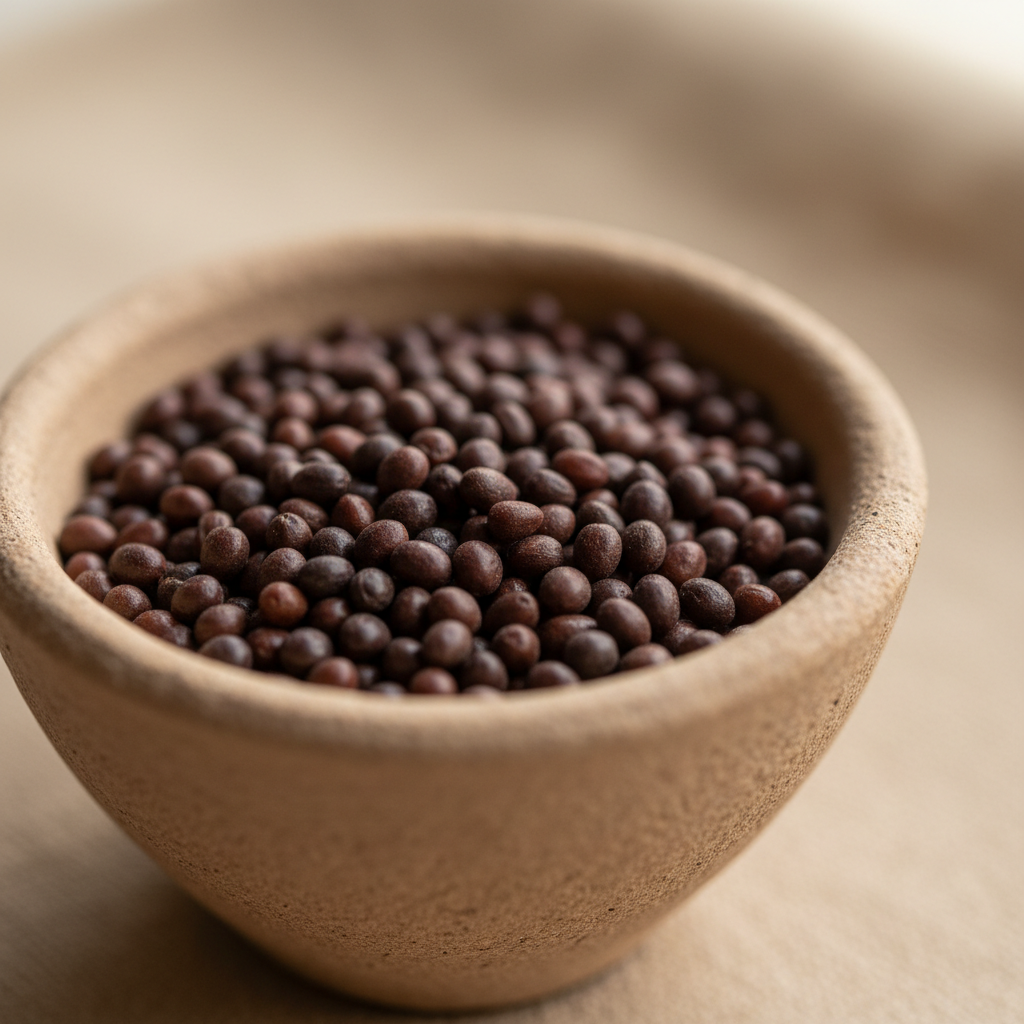

LIFE CYCLE
Annual

PLANT CHARACTERISTICS
Compact

GROWTH HABIT
Mounding

BLOOM SEASON
Winter–Spring

FLAVOUR PROFILE
Ornamental

SUITABLE FOR
Both

PLANTING SEASON
Autumn–Winter

FRUIT SIZE
N/A

PLANT HEIGHT
15–20 cm

LIGHT REQUIREMENT
Full sun / Partial shade

WATER NEEDS
Moderate

HARDINESS ZONES
8–11

CONTAINER GARDEN
Yes

PLANT SPACING
15–20 cm

PLANTING DEPTH
Surface sow

GROWING CONDITIONS
Cool, well-drained soil
Frequently Asked Questions
Why are Back to Black violas suited to cool seasons?
Why are Back to Black violas suited to cool seasons?
Violas generally perform well in cooler conditions, while excessive heat can reduce their growing performance and flowering quality.
Can dark violas be used in container displays?
Can dark violas be used in container displays?
Yes. Their compact flowering habit makes them suitable for containers when given well-drained soil and appropriate light.
How can faded viola flowers be managed?
How can faded viola flowers be managed?
Deadheading removes old blooms and helps keep plants tidy while supporting continued flowering.
Can Back to Black violas tolerate partial shade?
Can Back to Black violas tolerate partial shade?
Yes. They can grow in full sun to partial shade, provided the soil remains fertile and well drained.
What garden colors pair well with dark viola blooms?
What garden colors pair well with dark viola blooms?
Dark flowers can contrast nicely with silver foliage, pale flowers, green leaves, or light-colored containers.
How should violas be protected from excessive heat?
How should violas be protected from excessive heat?
Grow them during cooler conditions and provide suitable light while avoiding prolonged exposure to intense heat.