


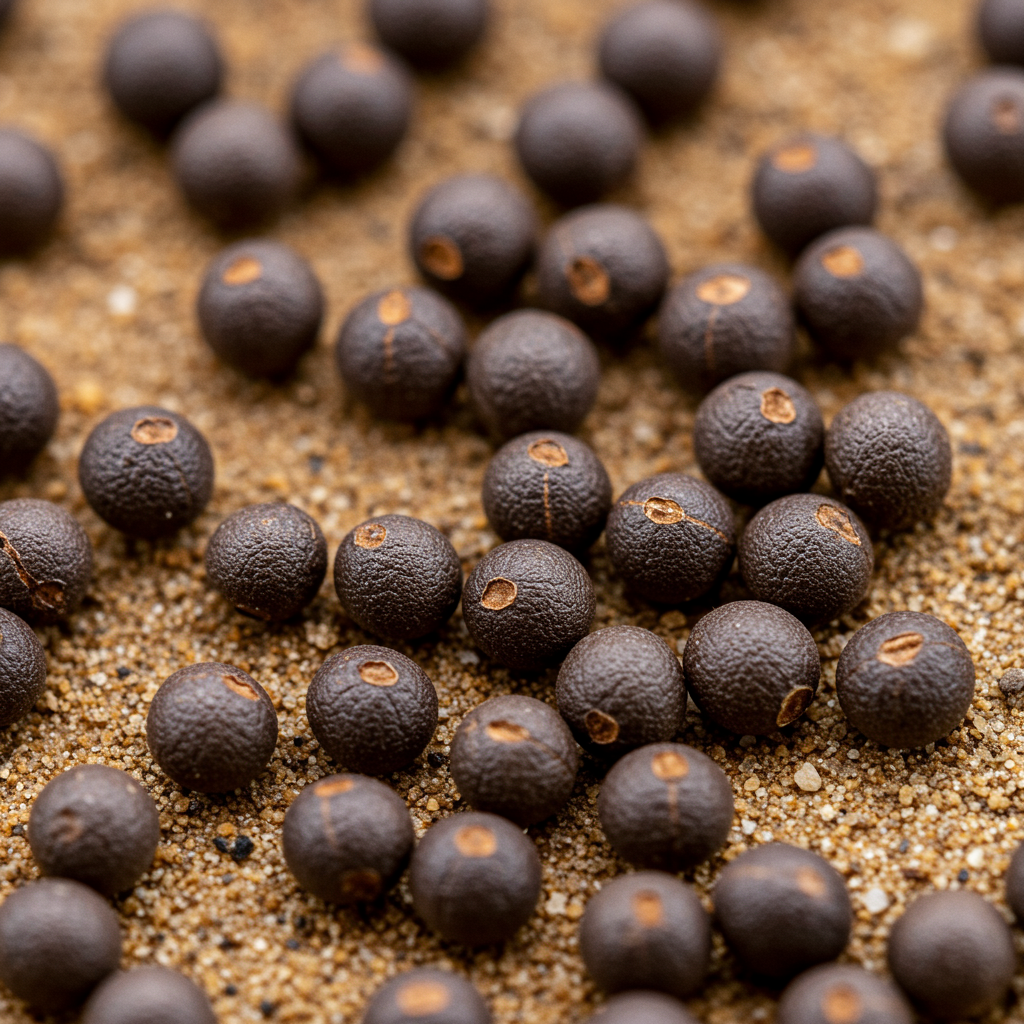

LIFE CYCLE
Perennial

PLANT CHARACTERISTICS
Upright

GROWTH HABIT
Clumping

BLOOM SEASON
summer

FLAVOUR PROFILE
Ornamental

SUITABLE FOR
Outdoor

SEED TYPE
Premium ornamental

PLANT TYPE
Flowering perennial bulb/corm plant.

PLANTING SEASON
Spring / Early autumn

FRUIT SIZE
N/A

PLANT HEIGHT
100–200 cm

LIGHT REQUIREMENT
Full sun

WATER NEEDS
Moderate

HARDINESS ZONES
USDA ~8–11

CONTAINER GARDEN
Yes

PLANT SPACING
15–30 cm

PLANTING DEPTH
light covering

GROWING CONDITIONS
sunny locations
Frequently Asked Questions
What does the name bulbillifera indicate about this Watsonia?
What does the name bulbillifera indicate about this Watsonia?
It refers to the plant’s ability to form small bulbils along the stems that can drop and help the species spread in suitable conditions
How do the sword-like leaves contribute to the plant’s appearance?
How do the sword-like leaves contribute to the plant’s appearance?
The long upright foliage creates strong vertical lines that provide structure in the garden even when the tall flower spikes are not in bloom
Does this variety grow from a corm rather than a true bulb?
Does this variety grow from a corm rather than a true bulb?
Yes it develops from an underground corm that stores energy and allows the plant to return each year in mild climates
Can the tall flower spires work well at the back of a border?
Can the tall flower spires work well at the back of a border?
At 100–200 cm the dramatic spikes of tubular blooms make an effective backdrop or focal point among lower-growing companions
Why is excellent drainage especially important for Watsonia?
Why is excellent drainage especially important for Watsonia?
Good drainage with added sand or grit helps prevent the corms from rotting during wet periods while supporting healthy growth
Should watering change once the foliage begins to die back?
Should watering change once the foliage begins to die back?
Reduce water as the leaves yellow and die back naturally so the corms enter dormancy without staying overly moist